 Litia Cava
[Photo: FILE]
Fiji’s tourism sector remains strong despite international headlines over HIV and drugs.
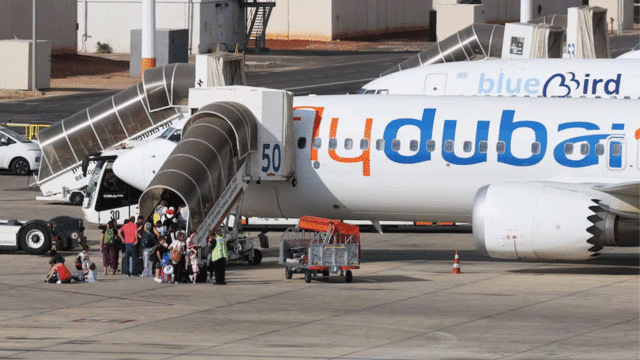
Hotels are full, and flights into Fiji are operating at full capacity.
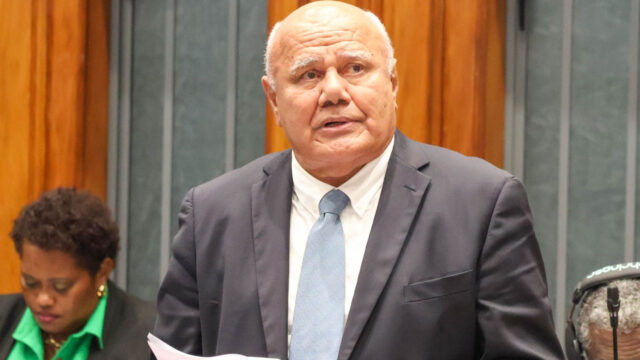
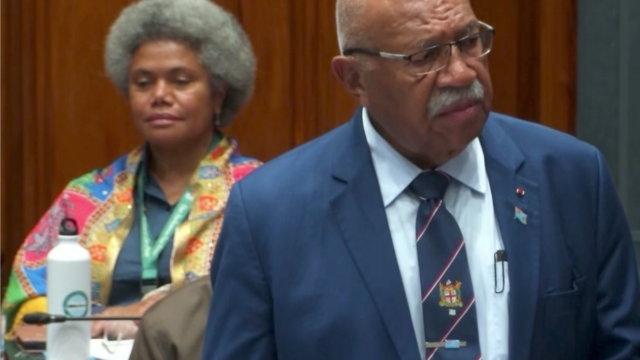
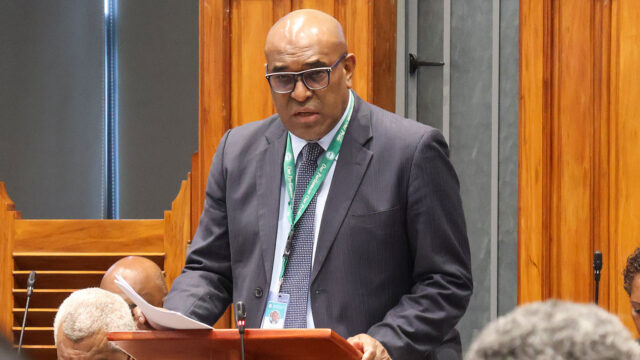
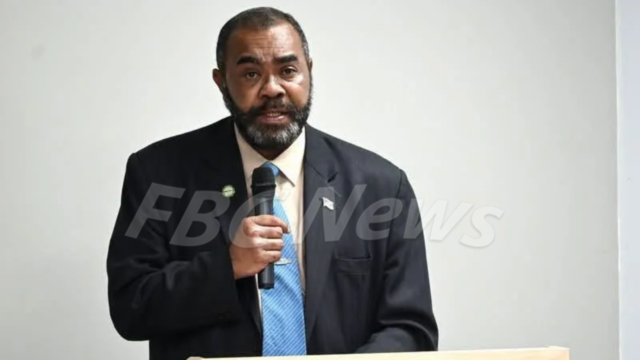
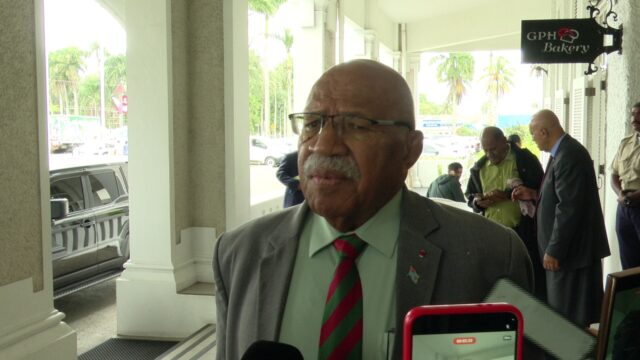
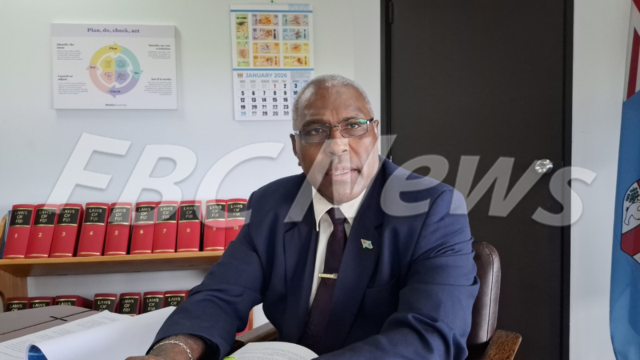
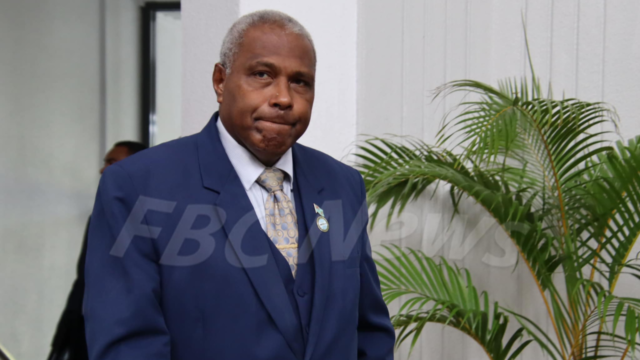
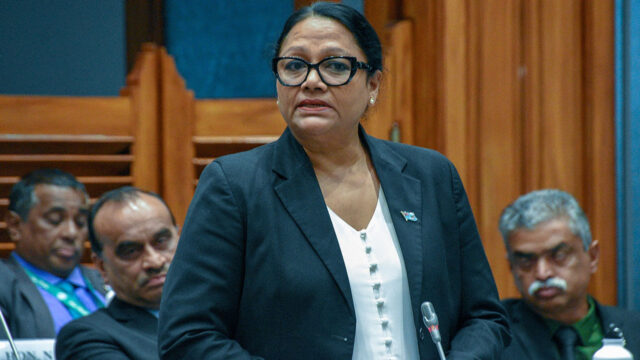
This assurance was given by Tourism Minister Viliame Gavoka.
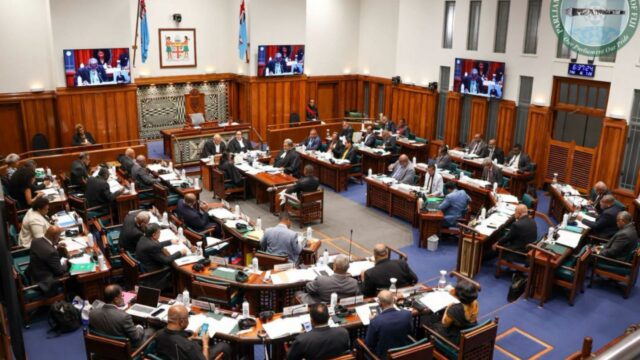
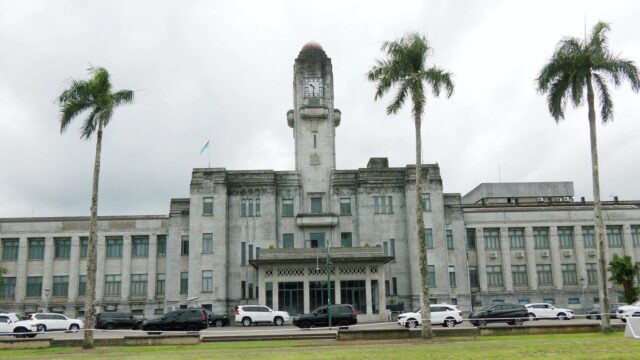
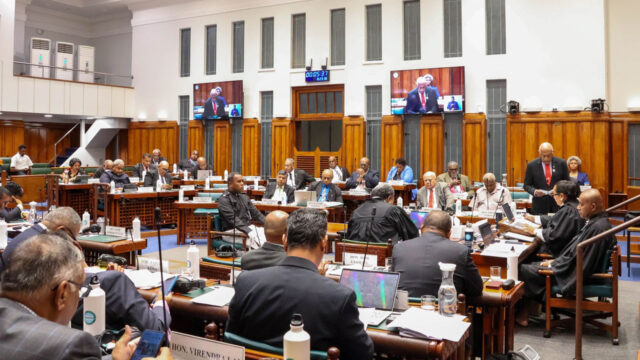
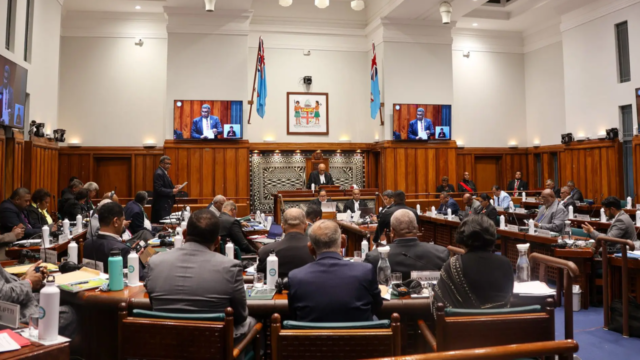
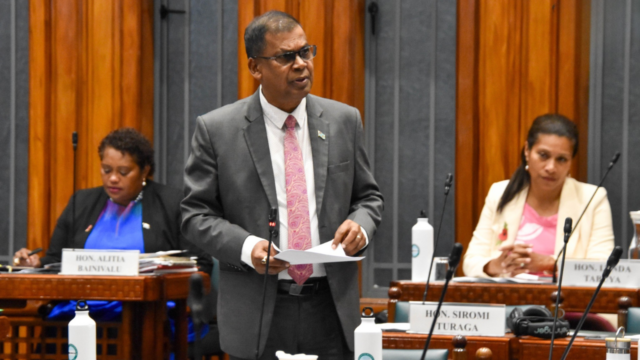
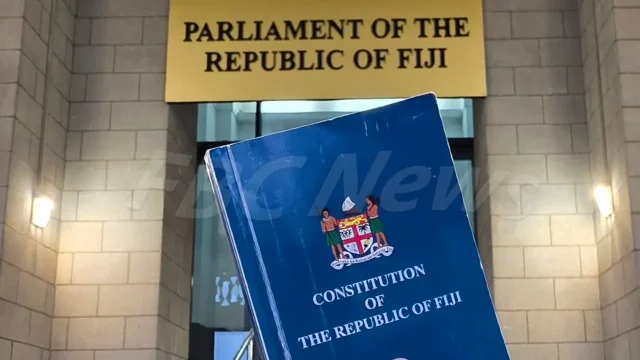
Gavoka told Parliament that despite coverage by international media including CNN and the BBC, Fiji’s hotels are full and flights into the country are full.
He stated that the government cannot shield Fiji’s tourism market by avoiding difficult issues.
Gavoka points to the Narcotics Bureau Bill and HIV-related legislation as measures that show Fiji is confronting the problems directly.
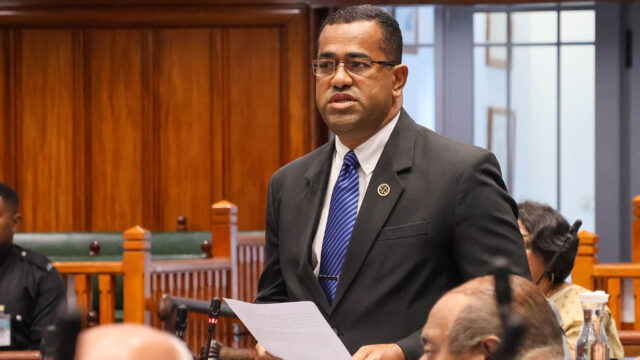
His comments followed a question from Opposition MP Rinesh Sharma on whether the government’s long-term tourism planning includes a contingency strategy for future epidemics or global pandemics, given the impact such crises can have on international travel and tourism numbers.
“As I highlighted yesterday, I was very apprehensive. I sat in cabinet when this came up, but we have to do this. We have to alert the country that HIV and drugs have to be combated head-on. I was worried about the implications in the tourism community, but when you have a tourism product, you have to be very open with your market.”
Gavoka states Fiji has already been through major crises and has developed the experience to respond, and that tourism recovery can be rapid when the country knows how to manage a crisis.
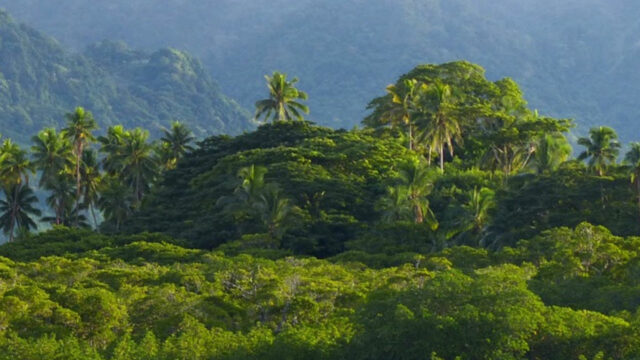
The issue of resilience is being considered alongside a much broader 25-year plan for tourism in Vanua Levu and Taveuni.
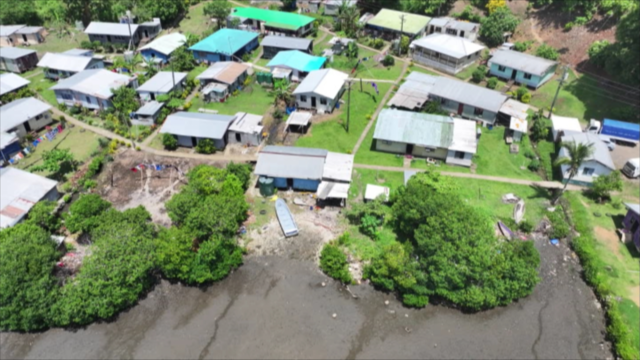
The Integrated Tourism Master Plan is the first comprehensive tourism master plan developed for the Northern Division and is being prepared under the Na Vualiku Program with World Bank financing.
It looks ahead to 2050 and starts with a tourism industry that remains small compared with the North’s natural and cultural assets.
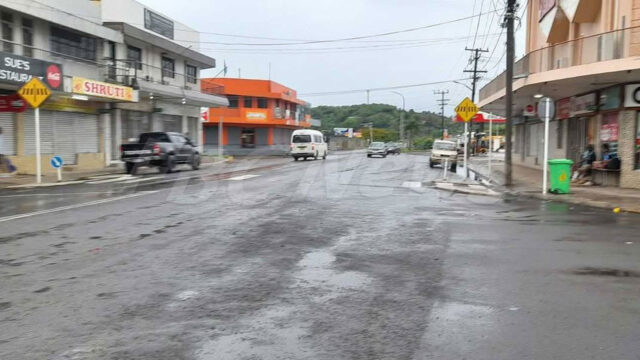
The Northern Division currently receives about 72,000 tourism arrivals a year. It has 948 rooms across 116 licensed establishments, with average occupancy at roughly one night in every three.
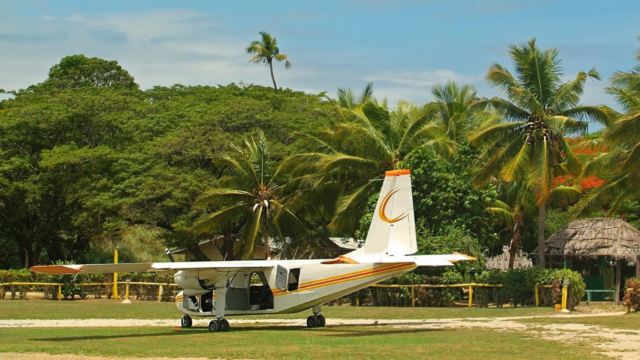
About 118,000 passengers a year travel through Labasa, Savusavu and Taveuni airports, but the plan identifies the size and capacity of those airports as constraints on future growth.
The strategy therefore does not envisage simply increasing visitor numbers without limits.
The preferred pathway is expanded but managed development, with tourism growth tied to the capacity of infrastructure, communities and the environment.
Under the modelling, arrivals could reach about 130,000 a year by 2050, almost double current levels.
The emphasis is on attracting international visitors who stay longer and spend more, rather than pursuing mass tourism.
Australia and New Zealand are identified as key growth markets, alongside the United States and other emerging markets.
Tourism spending in the North is currently estimated at about $ 290 million a year.
The modelling indicates that it could rise to around one billion dollars annually by 2050 if the proposed development pathway is implemented.
But that growth depends on significant investment in basic infrastructure.
The plan identifies improvements to the airports in Labasa, Savusavu and Taveuni, upgrades to roads, and stronger water, wastewater, waste management, electricity and telecommunications systems.
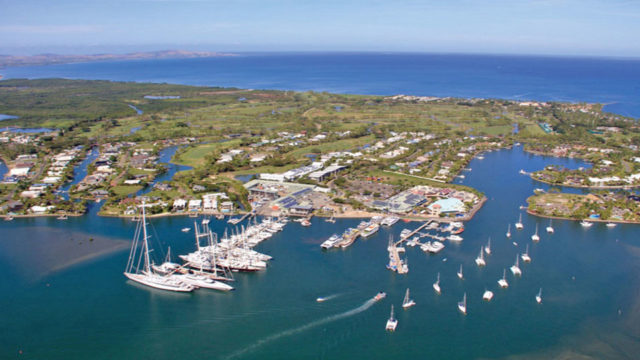
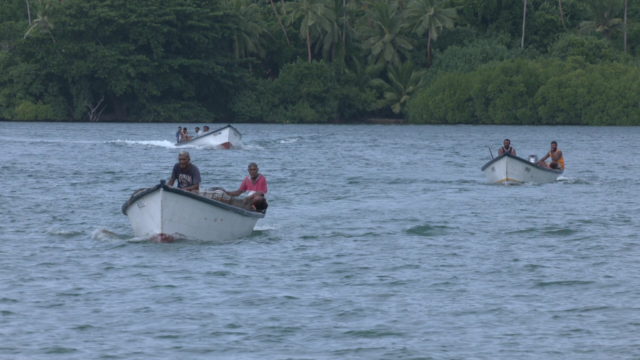
It also proposes improved jetties and moorings for yachts and dive operators, a tourism training centre in Savusavu, a marine centre in Taveuni and a destination management organisation for the North.
The government is also looking at community-based tourism as a way of ensuring that tourism growth creates direct opportunities for people living in the region.
The Northern Division’s population declined from just under 140,000 in the 1996 Census to below 132,000 in the 2017 Census.