 Ritika Pratap
[File Photo]
The Asian Development Bank, in its latest forecast for the Pacific, stated that Fiji’s Gross Domestic Product is projected to grow 2.2 percent this year and 1.9 percent in 2027, lower than its July forecast.
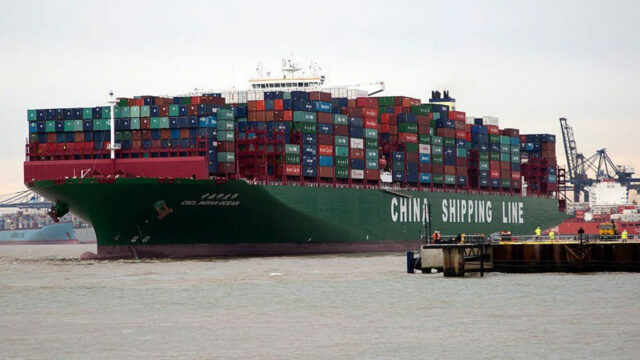
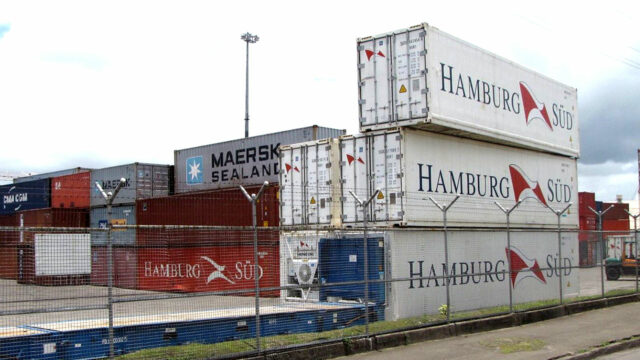
ADB says trade strengthened in the first half of 2026, with growth in containerized and dry bulk cargo volumes indicating continued domestic demand and investment.
It adds that tourism in Fiji should remain resilient, while proactive government measures to mitigate higher fuel costs and supportive fiscal policies cushion external shocks and support the economy.
Nonetheless, it highlights that external headwinds will likely dampen economic activity, leading to the lower growth outlook.
Tourism remains resilient despite higher airfares and global uncertainty.
Monthly arrivals declined 0.8% in April and 1.4% in May compared with 2025 before rebounding 6.3% in June and 6.5% in July, driven by strong growth in arrivals from Australia and the United States.
As a result, visitor arrivals from January to July 2026 grew 4.3 percent.
However, Fiji’s tourism earnings fell 4.9 percent year on year in the second quarter of 2026 and 1.7 percent in the first half of the year on shorter stays and weaker spending.
Nonetheless, ADB says near-term prospects remain favorable, with forward bookings for the next three months at 72% of available room nights, up from 70% a year earlier.
ADB says resilient international air connectivity – including Fiji Airways services to Cairns and the Gold Coast – should support tourism through the rest of the year.
ADB further states El Niño effects could lower hydropower and agricultural output.
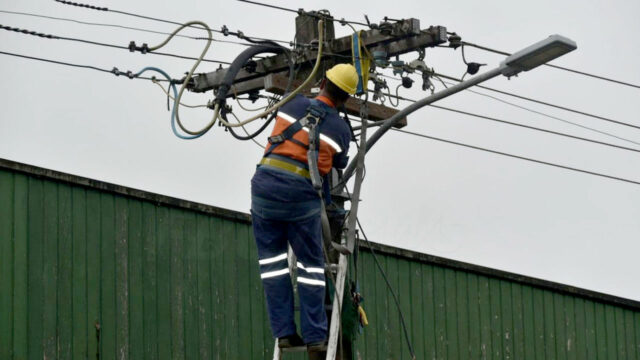
Electricity generation remained resilient, increasing 5.3%.
However, it says strengthening El Niño conditions could lower hydropower output for the remainder of the year.
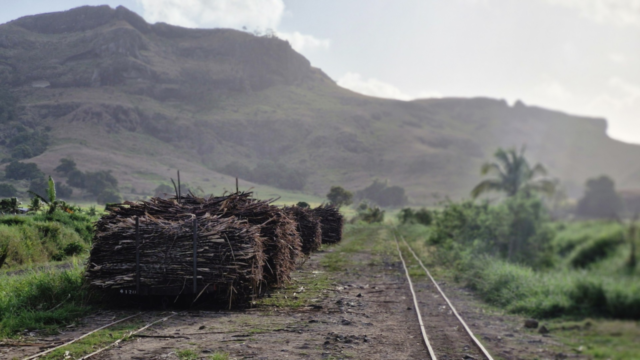
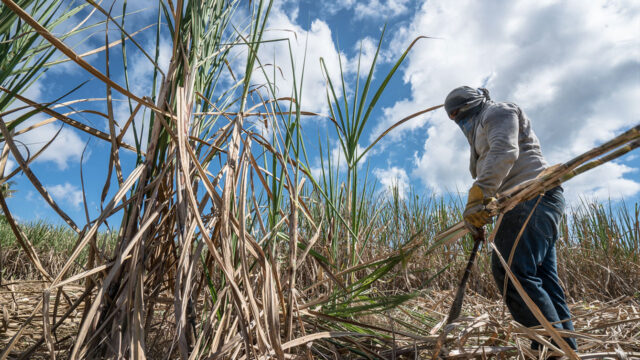
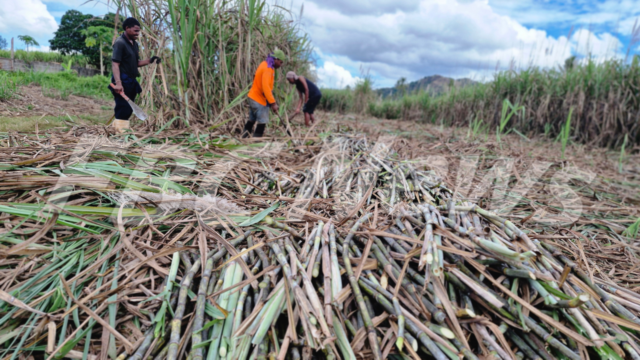
ADB says sugar production remains constrained by cane shortages, harvesting delays, and mill inefficiencies, although output rose 2.9% through July.
Global sugar prices have softened amid strong supply, although weather-related disruptions and export restrictions could support prices later in 2026.
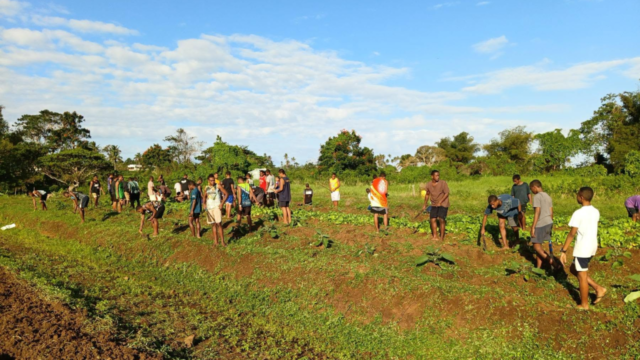
While favorable weather supported agriculture during the first half of this year, the recent decline in rainfall since June and likely strong El Niño effects pose risks to crop and fisheries production.