 Riya Mala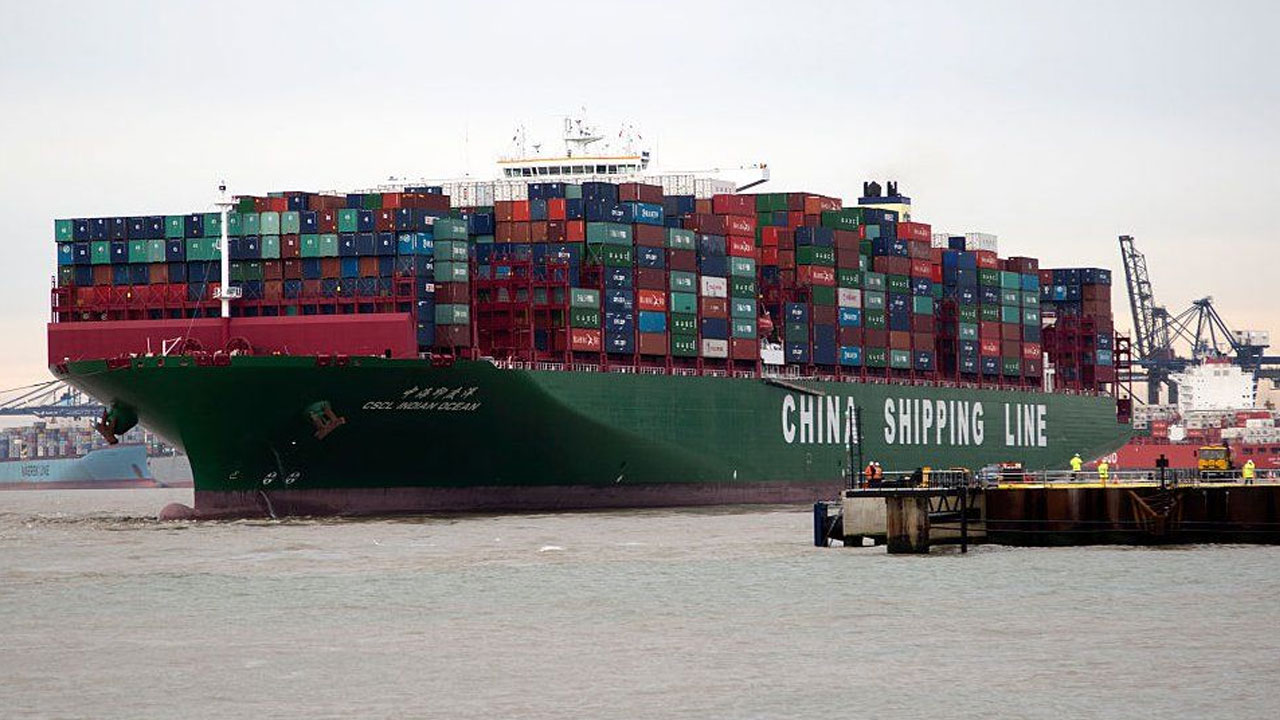
[File Photo]
Imported goods could become more expensive in the coming weeks as higher fuel and shipping costs push up the cost of bringing products into Fiji.
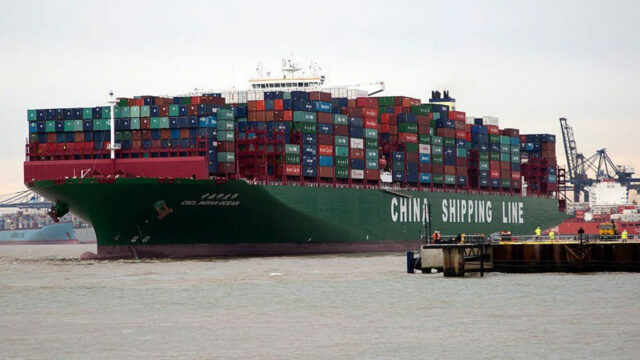
The Fijian Competition and Consumer Commission says disruptions to major international shipping routes, linked to the ongoing conflict in the Middle East, are adding to transport costs.
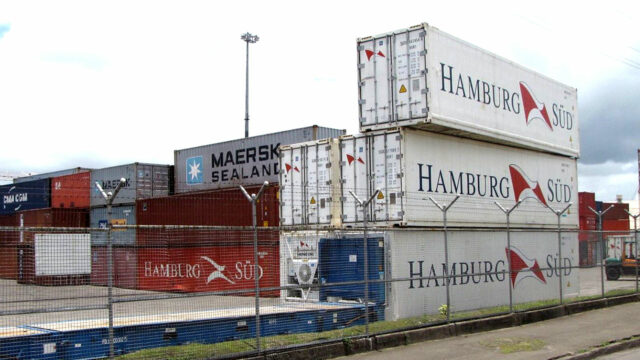
The pressure could affect a wide range of imported goods, including food, furniture, vehicles, appliances, machinery, fresh produce and frozen products.
Shipping companies are also facing higher fuel, insurance and operating costs. Some vessels are taking longer routes, adding about 10 to 14 days to delivery times and increasing freight costs.
Fiji is already paying more for imported fuel. The FCCC says the country’s fuel import bill is expected to reach about $2 billion this year, up 26 per cent from last year.
In the first four months of this year, more than $656 million was spent on fuel imports.
The Commission says higher fuel prices can raise costs at two stages. The first is bringing goods into Fiji, while the second is transporting them from ports to shops and communities.
Farmers could also face higher costs if global supply disruptions affect fertiliser prices. This could add further pressure to food prices.
FCCC Chief Executive Officer Senikavika Jiuta states that Fiji is not isolated from the global shock because it relies heavily on imported fuel and food.
He says businesses seeking higher prices for regulated goods must provide evidence that the increase is linked to genuine cost pressures.
Some essential goods remain under price control, including basic food items, bread products, hardware, cement, steel and pharmaceutical products.
However, furniture, appliances and motor vehicles are among imported products that are not price controlled.
The FCCC is advising households to plan spending carefully, prioritise essential purchases and limit unnecessary travel where possible.
Businesses are also being reminded that proposed price increases for regulated goods must be submitted to the FCCC for review.
The Commission adds that consumers should continue checking official price updates as global fuel and shipping conditions remain uncertain.