 Reuters
[Source: Reuters]
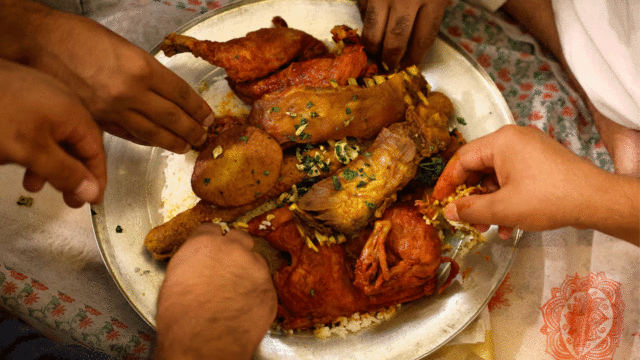
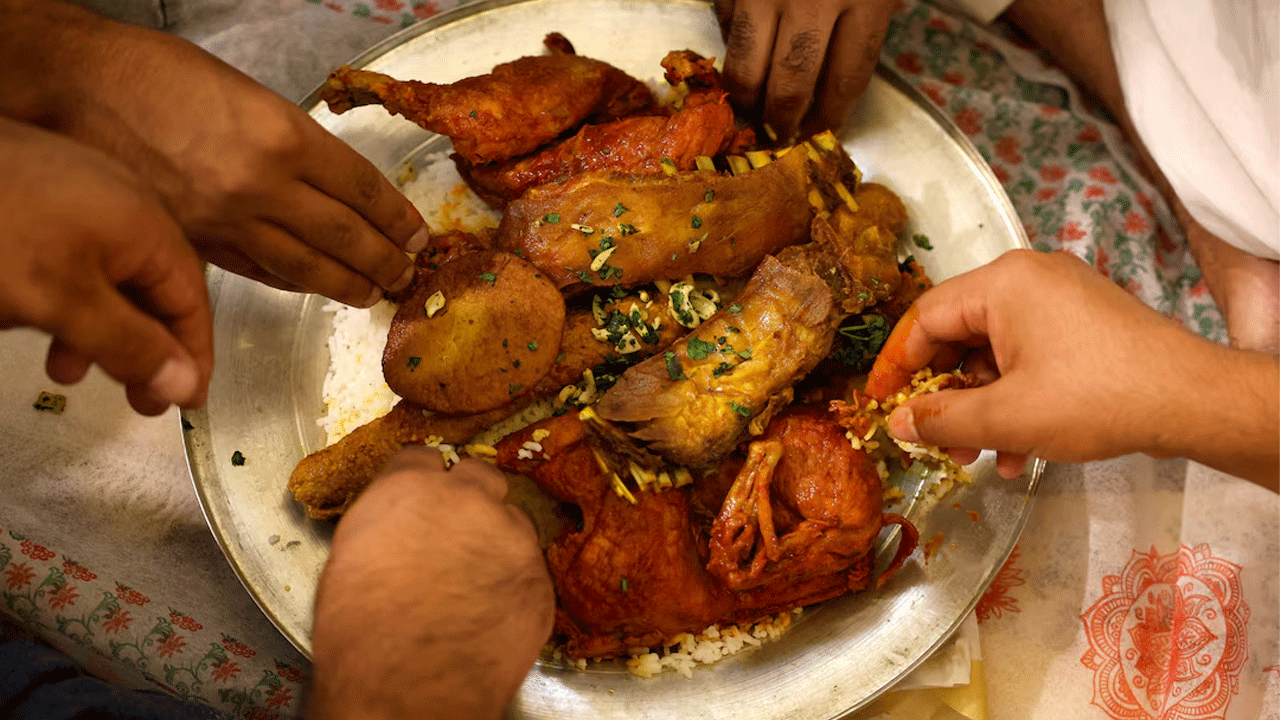
As autumn approaches, the rhythmic thud of wooden mallets pounding lamb meat can be heard across Indian Kashmir as cooks prepare a traditional meal served at weddings – a multi-course mutton feast called Wazwan.
Wazwan arrived in Kashmir from Central Asia in the 14th century, when rulers brought skilled chefs to the valley, along with the carpet and shawl weavers for which the region later became known.
Ghulam Nabi Baba, 74, is among the traditional Wazwan chefs who trace their lineage back to that migration.
His forefathers settled in Srinagar’s old city as part of a community of cooks known as Wazpora.
“There were only seven mutton dishes at that time. Over the centuries we added more, and now there are around 20 dishes,” Baba said.
He said the number of dishes served, and the amount of meat prepared, often reflects a family’s wealth.
“Forty years ago in Delina (a village in north Kashmir), I cooked 4,500 kg of meat. That was a very big wedding,” he said.
“Normally, at an average marriage we cook 200 kgs of mutton.”
While the menu has expanded, the cooking method has changed little, with lightly spiced meat pounded by hand before it is cooked slowly over wood fires.
Baba said he joined his father at the age of 15 to learn the craft and has now spent nearly six decades cooking at Kashmiri weddings.
But rather than following in his footsteps, his own son has opened a restaurant.
“Our kids didn’t continue the tradition of cooking in weddings because they said it’s too hectic,” he said.
The work hours are better in restaurants, while in weddings one has to work around the clock. The younger Baba says he is still carrying forward the family’s centuries-old culinary legacy, albeit in a different setting.