 Litia Cava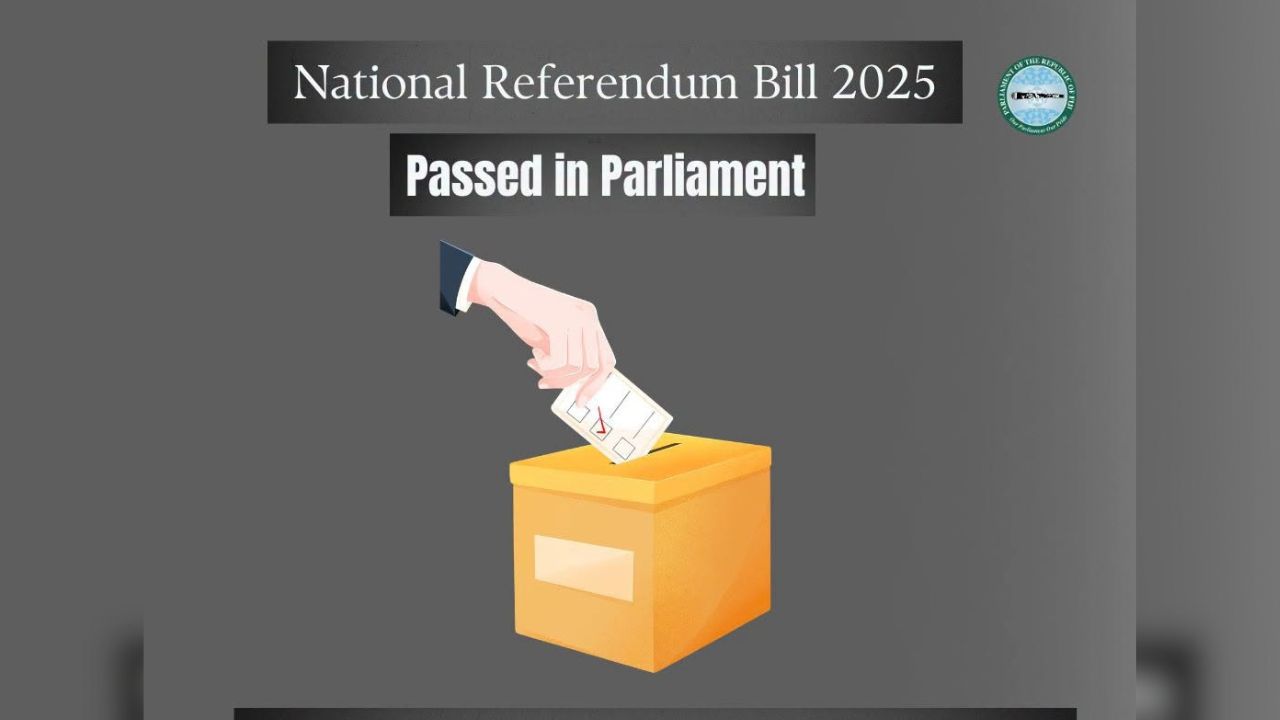
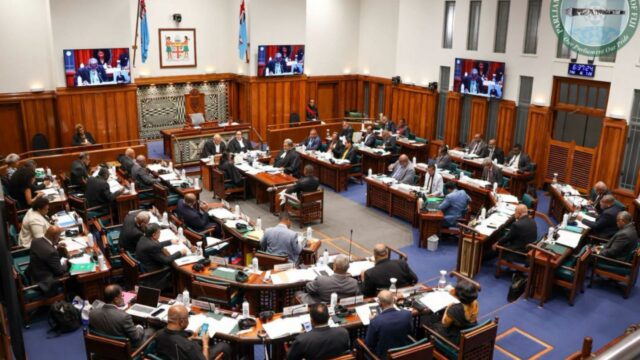
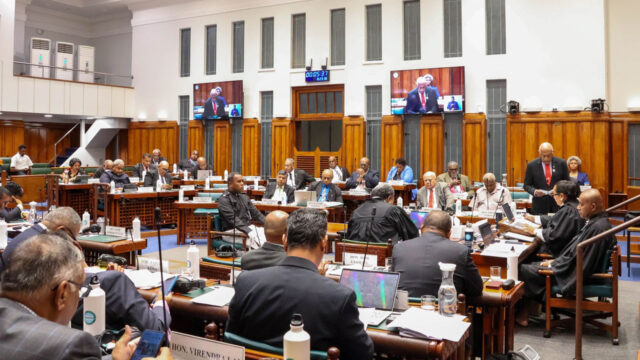
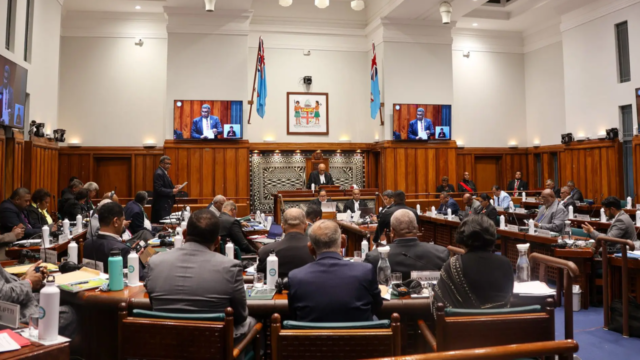
[Photo: Parliament of the Republic of Fiji]
Fiji now has a legal framework for holding a national referendum after Parliament unanimously passed the National Referendum Bill 2025.
The legislation creates the machinery needed to put a constitutional amendment, or another matter Parliament considers to be of sufficient national importance, directly to voters.
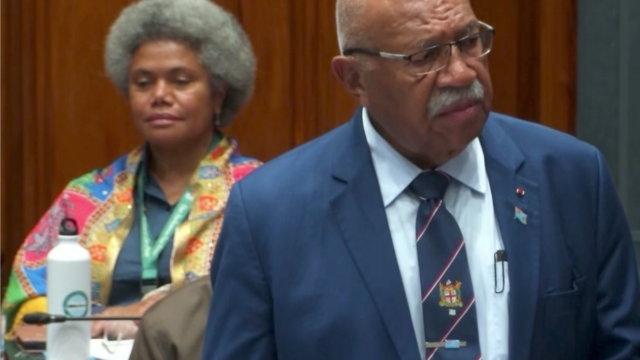
Prime Minister Sitiveni Rabuka said the Bill does not predetermine what voters should decide. Instead, it establishes the legal process through which Fijians can express their views directly on matters of national significance.
If the Constitution Amendment Bill 2026 currently before Parliament completes the required parliamentary process, the referendum enabled by this legislation would be Fiji’s first national referendum.
Rabuka said the significance of the legislation is that the 2013 Constitution provides for constitutional amendments but did not previously have a specific law setting out how a referendum should be conducted.
That gap is now being addressed through a framework that places the referendum under Fiji’s existing electoral institutions rather than creating a separate voting system.
The Electoral Commission, Supervisor of Elections and Fiji Elections Office will administer the process.
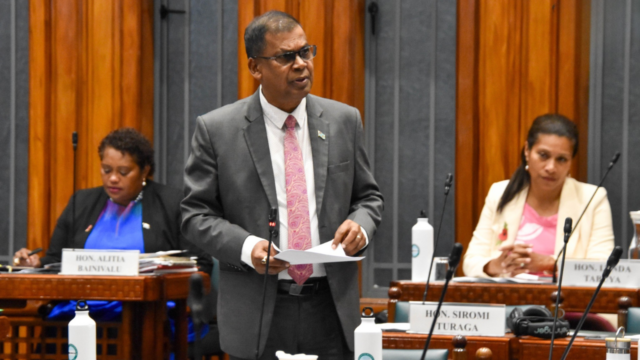
Acting Attorney-General Siromi Turaga said the legislation sets out the practical machinery for a referendum, from voter eligibility and ballot papers to campaigning, counting, publication of information and challenges to the result.
Every person on the National Register of Voters would be eligible to vote.
The ballot on a proposed new Constitution would ask voters a direct Yes or No question, with the result determined according to the majority requirement provided under the enacted framework.
The Bill also allows registered Fijian voters overseas to participate.
This means the referendum would not be limited to voters physically present in Fiji, provided they meet the eligibility requirements and are registered.
Turaga said existing electoral arrangements would be used, including polling, pre-poll and postal voting, as well as counting procedures, scrutineers, observers and the declaration of results.
The proposed Constitution would also have to be made available in English, iTaukei and Fiji Hindi before polling.
That requirement is intended to ensure voters have access to the document they are being asked to approve before casting their ballots.
The Bill also establishes offences aimed at protecting the integrity of the referendum.
These include bribery, intimidation, deliberate false information about voting procedures and the misuse of public resources for referendum campaigning.
At the same time, Turaga said the framework would not prevent people from campaigning for or against a proposal.
Political parties, churches, unions, civil society groups and individual citizens would remain able to express their views, subject to restrictions designed to protect the integrity of the vote.
The legislation also provides a legal avenue to challenge the conduct of a referendum through a court petition within the prescribed period.
Deputy Prime Minister Manoa Kamikamica said the framework is intended to remain relevant beyond the current constitutional reform process.
He said Parliament would also be able to use the mechanism in future to put other matters of national importance directly to voters.
That gives the legislation a broader purpose than simply facilitating the proposed constitutional referendum.
Minister for Youth and Sports Jese Saukuru said the legislation also places a responsibility on voters, particularly young people, to understand the issues before making a decision.
He said participation should be based on knowledge and responsibility rather than simply turnout.
The Bill has been through substantial scrutiny since it was first tabled in December 2025 and referred to the Standing Committee on Justice, Law and Human Rights.
The committee reported back on September 29, 2026, after receiving submissions from political parties, faith groups, civil society, the legal profession, youth representatives and electoral authorities.
The committee significantly changed the original legislation, reducing it from 32 clauses to 24.
Information Minister Lynda Tabuya said 12 provisions were removed, nine replaced, four added and one amended.
Among the changes were provisions intended to strengthen voter information, clarify campaign rules and improve the dispute-resolution process.
The committee also recommended that referendum information be published before polling, including the question being put to voters, the relevant constitutional proposal,
explanatory material and parliamentary debate.
Tabuya said the recommended voting period of 30 to 45 days after the writ would provide voters with time to consider the proposal.
The committee also recommended clearer ballot-marking rules, allowing voters to use a tick, cross or circle to indicate their intention.
It further recognised the participation of eligible Fijian voters overseas and allowed for a referendum to be held alongside an election where appropriate, while keeping the
referendum ballots and counting processes separate.
The National Referendum Bill was passed without opposition.