 Apenisa Waqairadovu
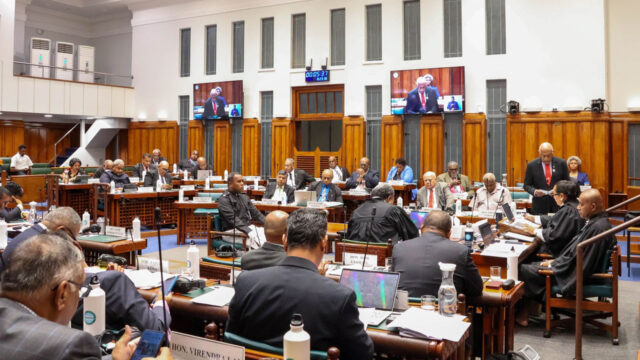
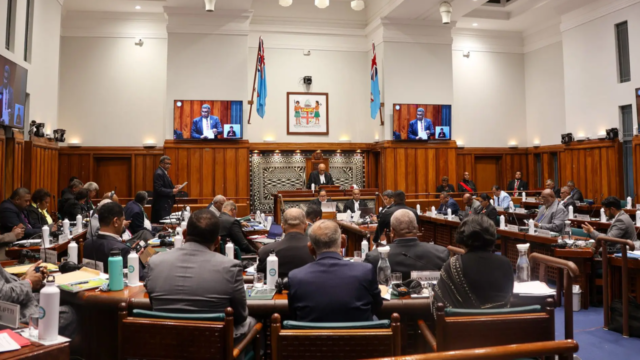
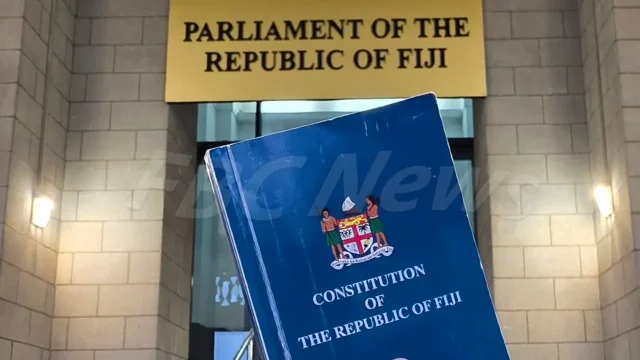
Fiji could move from a four-year to a five-year parliamentary term under the proposed 2026 Constitution.
Clause 66 of Constitution Amendment Bill 2026 states that the House of Representatives would continue for five years from the date of its first meeting after a general election, unless dissolved earlier under the Constitution.
This would be a one-year increase from the current constitutional arrangement.
Under the 2013 Constitution, Parliament has a four-year term from the date of its first meeting after a general election. Parliament’s own information confirms the current four-year term.
The proposed Constitution also places a restriction on when Parliament can be dissolved on the advice of the Prime Minister.
Under Clause 66, the President could dissolve Parliament on the Prime Minister’s advice only after four years and six months have passed from the first meeting following a general election.
There is, however, a separate provision for early dissolution.
The House could vote to dissolve itself if at least two-thirds of its members support the move, but this could only be initiated by the Leader of the Opposition on the grounds that the Government no longer has the confidence of the House.
That process would first require the House to reject a no-confidence motion against the Prime Minister.
The Bill also prevents such an early dissolution motion during the first 18 months of a Parliament and during the final six months of its five-year term.
Importantly, the Bill’s transitional provisions need to be considered separately when determining which term applies to the Parliament in office when the new Constitution takes effect.
So, in simple terms, the current Constitution provides for a four-year Parliament, while the proposed Constitution provides for a five-year Parliament, with Prime Minister-advised dissolution restricted until the four-and-a-half-year point.
The constitutional change therefore concerns the term of Parliament. It does not mean an individual Prime Minister is personally guaranteed to remain in office for five years, since the proposed Constitution also provides for a no-confidence process and other circumstances in which a Government can change during a parliamentary term.