 Litia Cava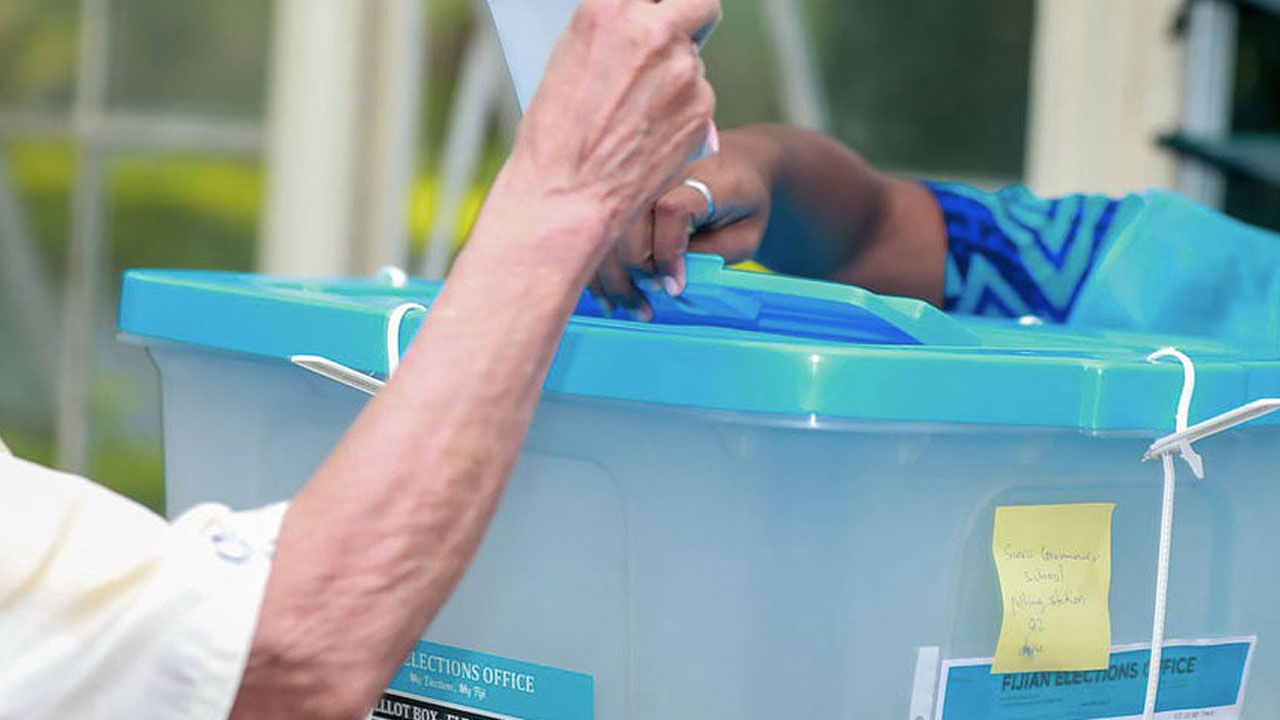
[Photo: FILE]
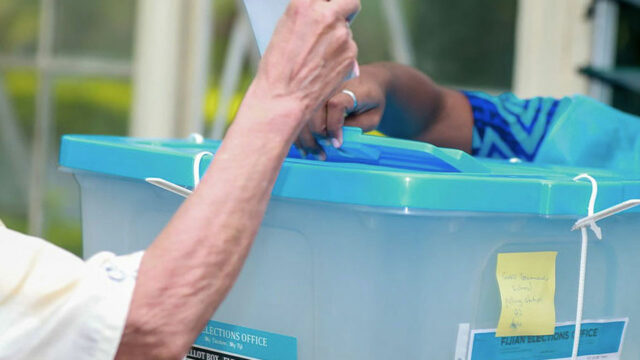
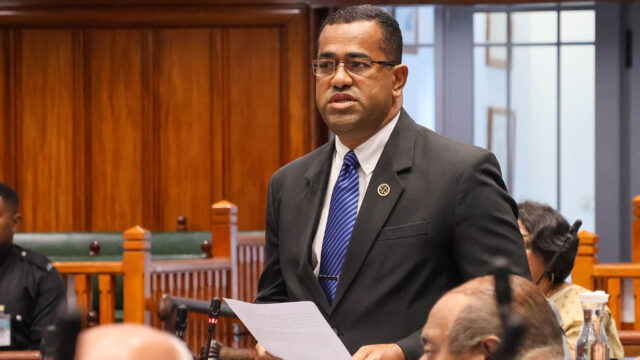
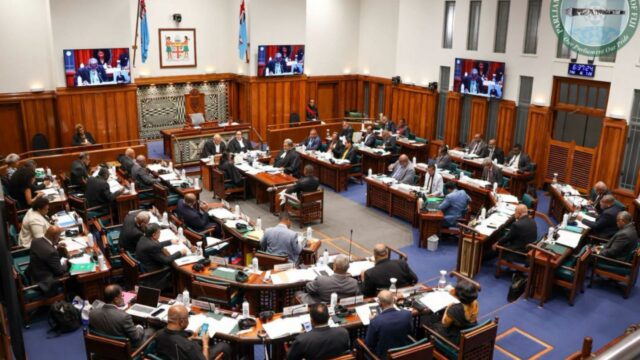
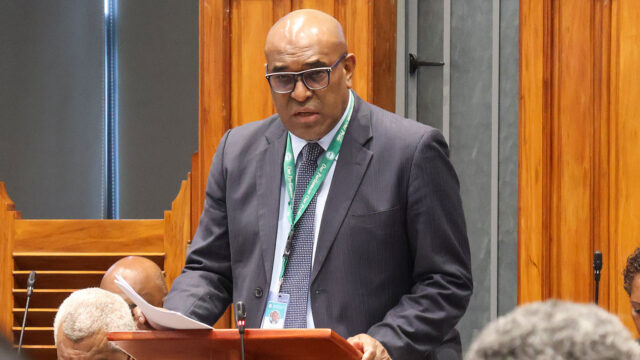
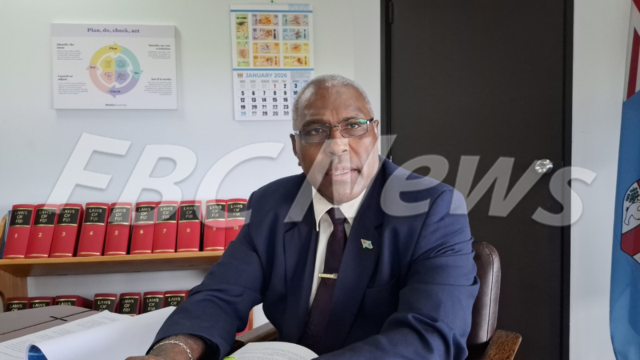
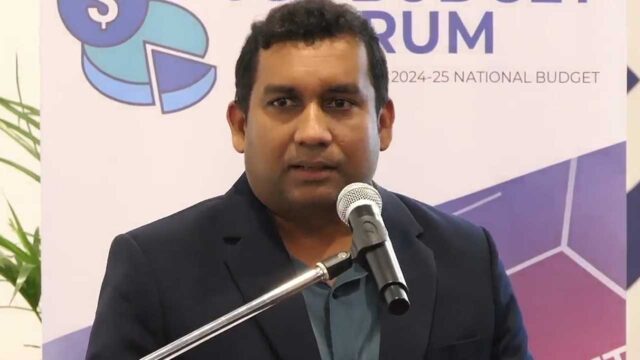
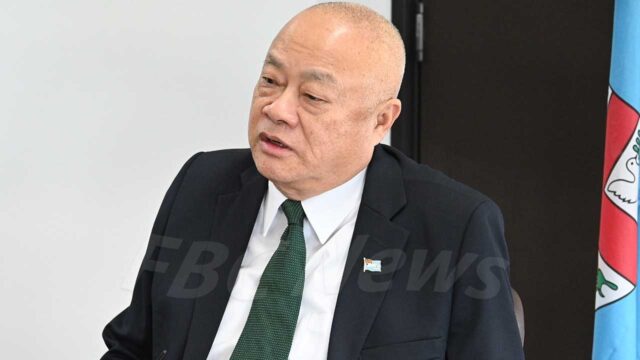
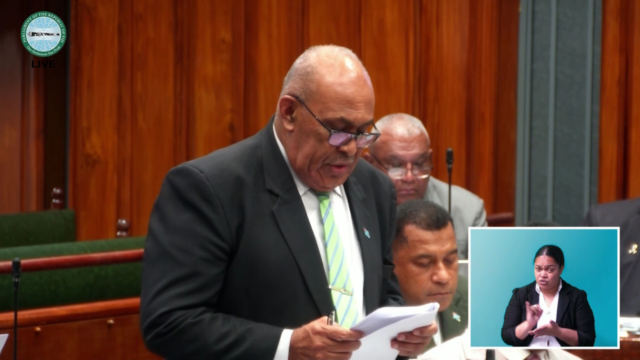
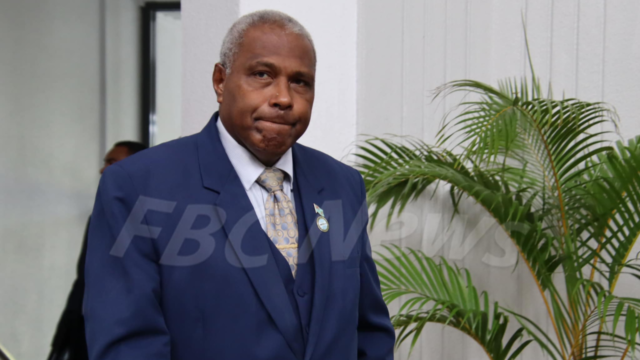
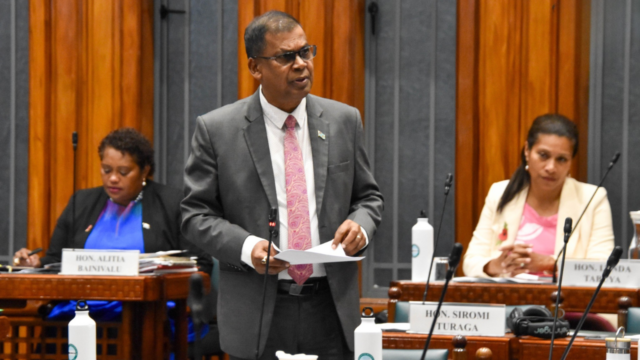
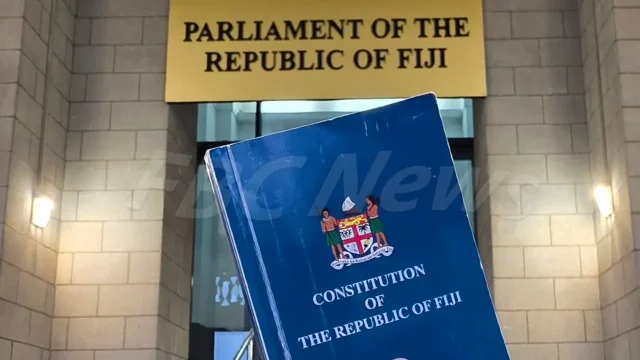
The Electoral Amendment Bill 2026 has passed Parliament, with Acting Attorney-General Siromi Turaga saying the reforms remove unnecessary barriers to voting.
He believes that the changes are aimed at putting voters at the centre of the electoral process while maintaining accountability and integrity.
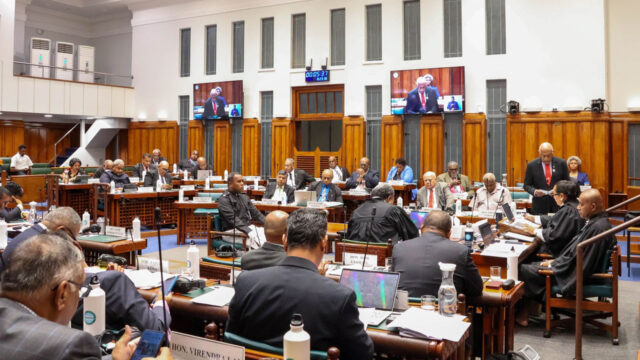
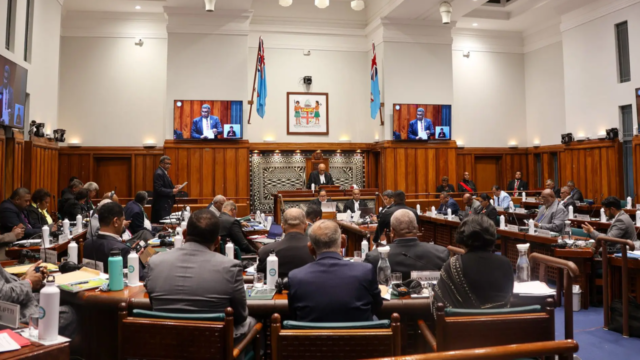
The Bill passed this morning with 31 MPs voting in favour, 12 against and 10 not voting.
Turaga says the reforms are not about weakening electoral standards, but removing restrictions that can make it harder for eligible voters to participate. He says the changes came from the electoral law consultation process and are designed to put voters at the centre of the system.
Among the biggest changes is the removal of the 48-hour campaign blackout and the reduction of the campaign exclusion zone around polling stations from 300 metres to 100 metres.
Turaga also defended wider access to postal voting, including for significant family, work and other commitments. Statutory declaration requirements are removed, while persons with disabilities will be able to use assistive learning or speaking devices when casting their ballots.
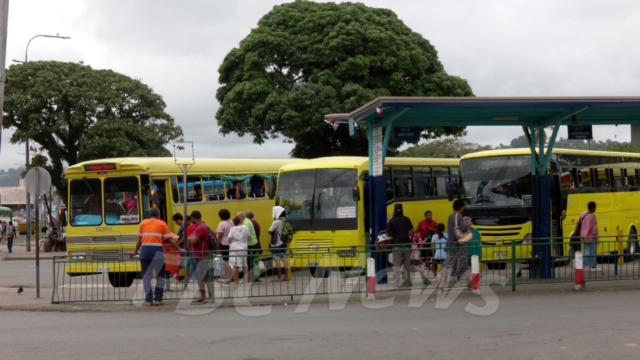
The Bill also allows parties and candidates to provide transport and refreshments to voters, provided it is not used to influence their vote.
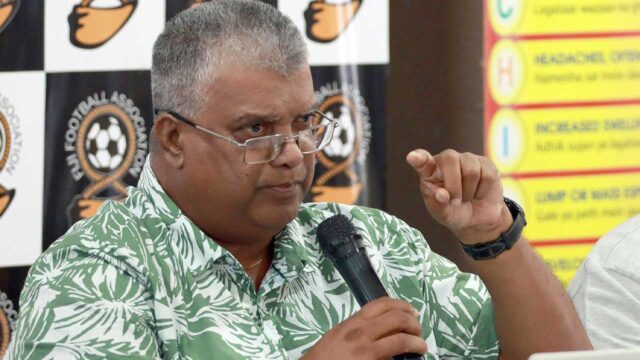
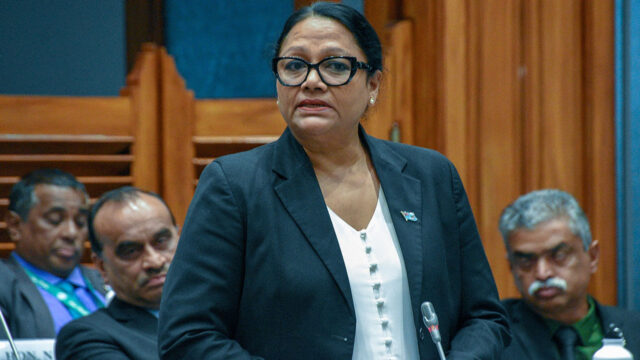
That provision was strongly challenged by Opposition MP Premila Kumar, who says voter transport should instead be handled by the State and the Fijian Elections Office. She warns larger parties could use greater financial resources to provide more vehicles, boats and volunteers.
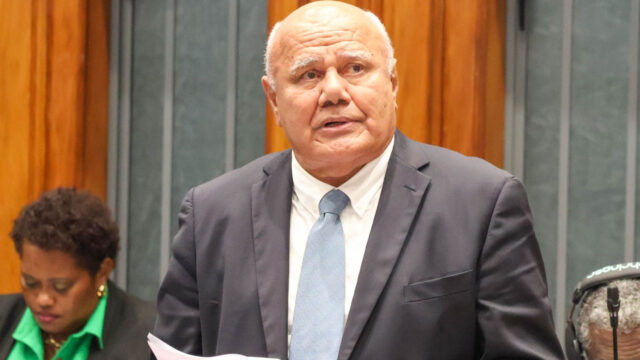
Opposition MP’s Faiyaz Koya and Jone Usamate opposed the removal of the 48-hour blackout, arguing voters need time to consider their choices without political pressure immediately before voting. Usamate also questioned party-funded transport and refreshments.
Forestry Minister Alitia Bainivalu defended the blackout change, saying voters should remain able to question political claims and scrutinise promises before polling day.
Lands Minister Filimoni Vosarogo says the reforms must take effect before the next election, due by February 6, 2027, warning that delaying them would leave existing gaps in the electoral law.
The Bill also creates separate categories for corrupt and illegal electoral practices and provides rules for disrupted pre-poll voting during disasters and emergencies.
Turaga said the overall objective was to improve participation and accessibility while retaining accountability across the electoral process.