 Riya Mala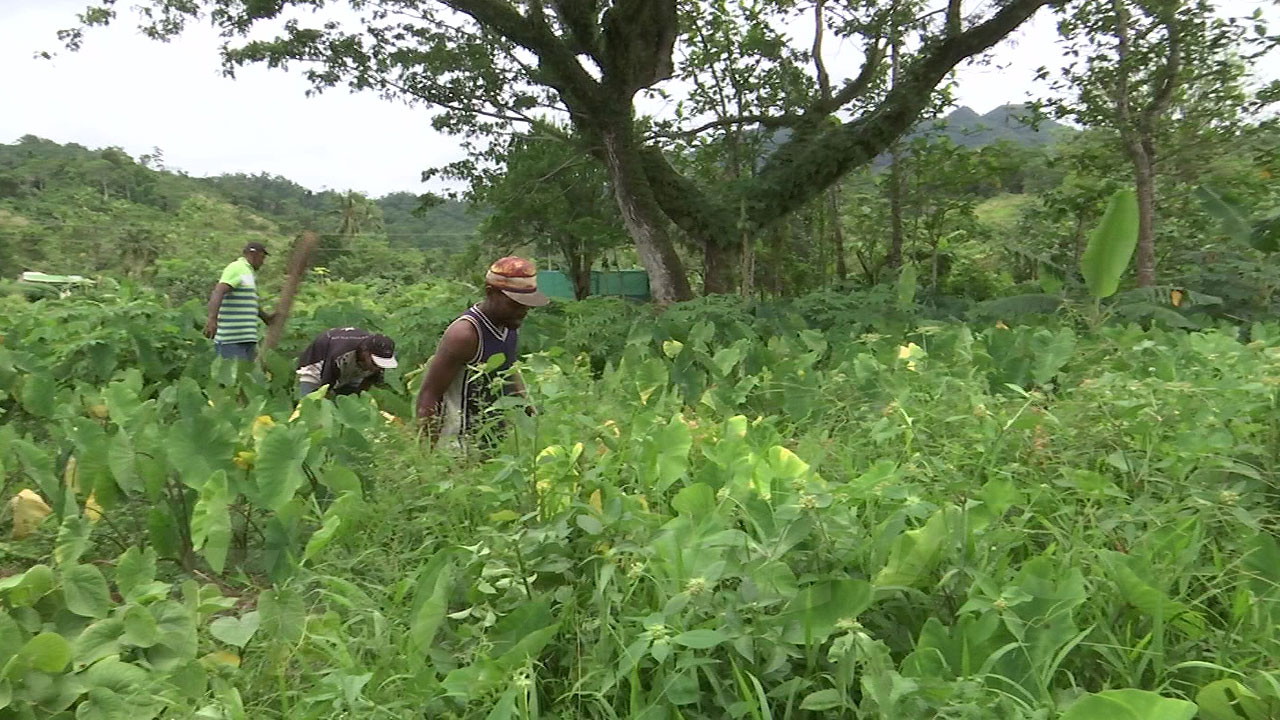
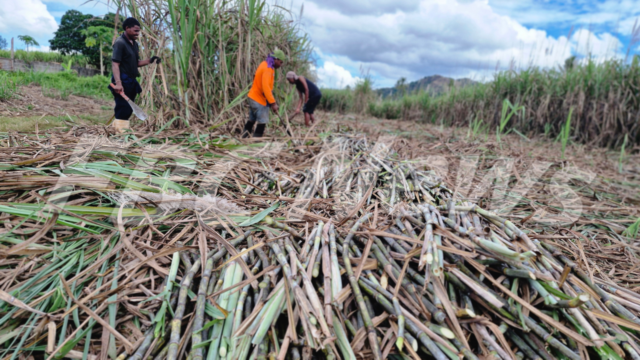
[file/photo]
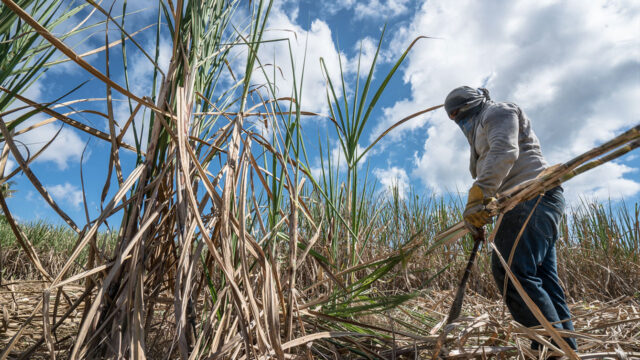
Smallholder farmers face several barriers to using agricultural machinery, including high costs, limited access to finance, difficult terrain, a lack of spare parts and limited technical skills.
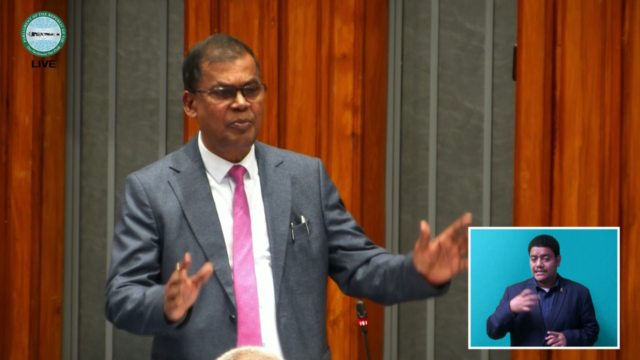
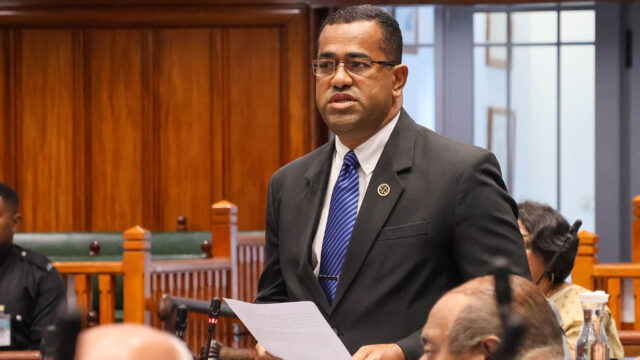
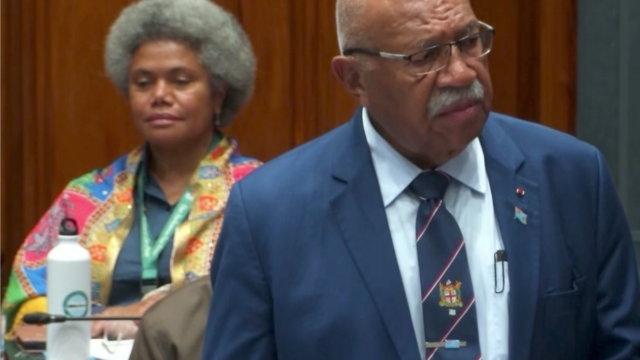
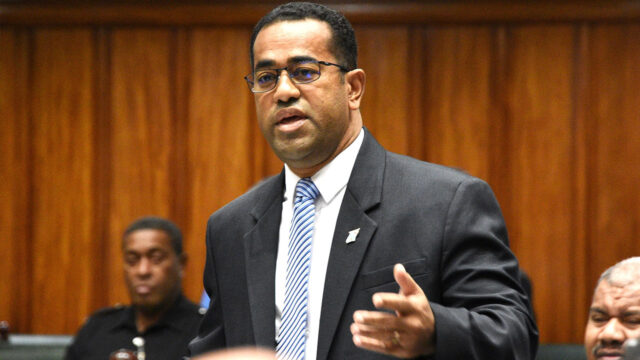
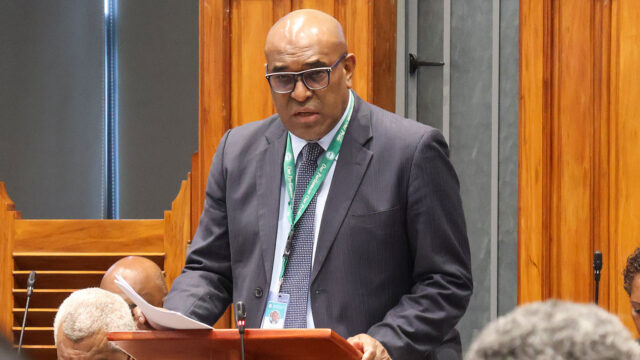
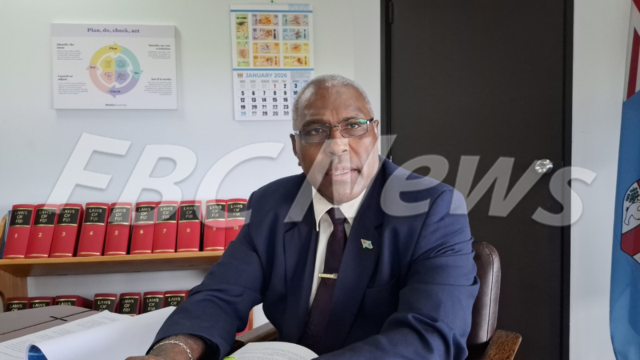
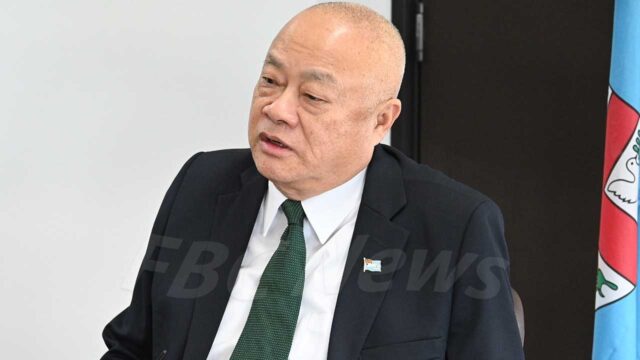
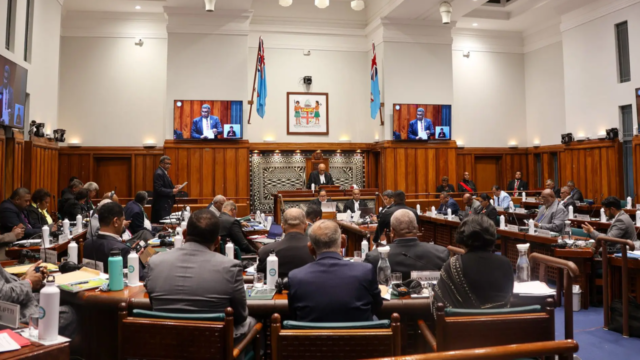
Agriculture Minister Tomasi Tunabuna says mechanization is not simply about buying more tractors and giving them to farmers.
He says many small farmers cannot afford the upfront cost of machinery, while loan requirements can also make financing difficult.
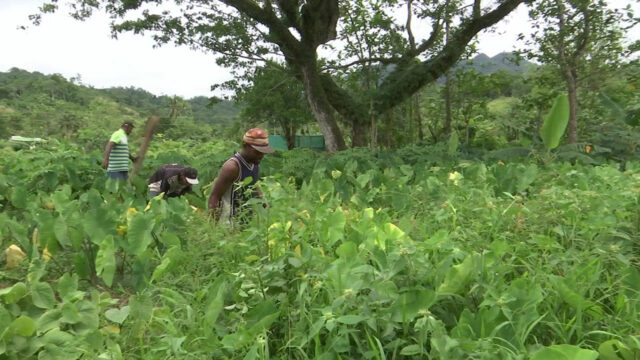
Fragmented farms and difficult terrain make large machinery unsuitable for some farmers, so they are looking at machinery hire services and farmer groups to improve access.
“For many smallholders, ownership may not be the most economically appropriate model. A farmer cultivating a relatively small area may only require a tractor or power tiller for a few days each season. Consequently, access to machinery must be more important than ownership. With the Government strengthening machinery hire services, supporting private contractors and promoting equipment sharing among farmers, groups and cooperatives, more farmers can benefit.”
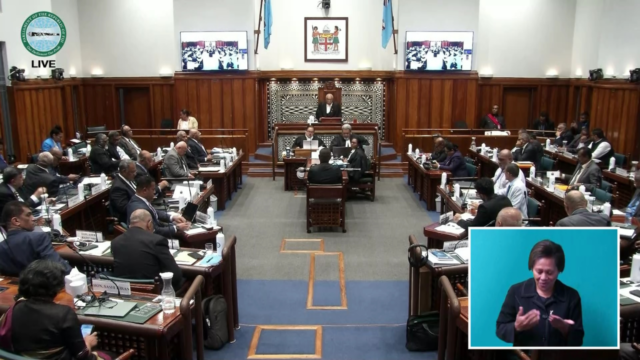
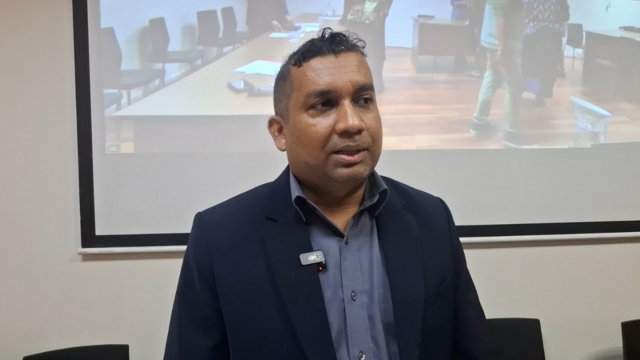
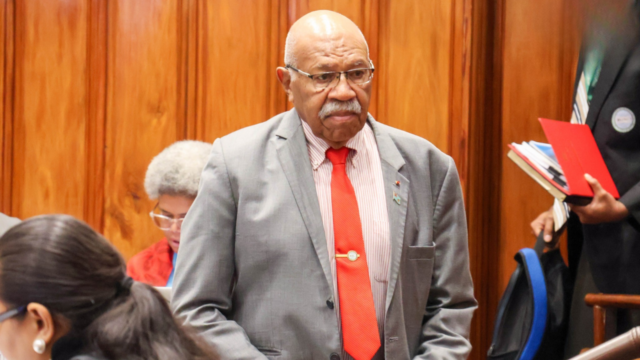
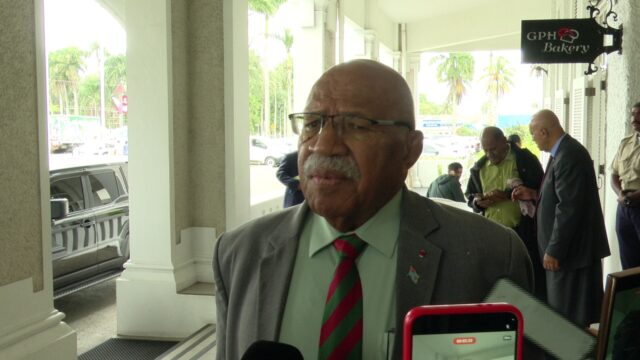
Opposition Leader Inia Seruiratu says some farm machinery is sitting unused because it is not being properly repaired or maintained, and is asking what options are available to address the issue.
“Can Government provide training for them to fix it, or can Government fix it, or can it be redeployed to other people who are interested and can fix it? There is a lot of Government funding involved, particularly with the two-thirds, so that the machinery can be better utilised and fully utilised, and the Government’s intentions in terms of productivity can also be achieved.”
Tunabuna says Fiji lacks skilled workers to maintain and repair farm machinery, including smaller machines, and says vocational training is needed to address the gap.
Tunabuna adds that the 2027 National Budget provides 221 million dollars for agriculture, waterways and sugar, with enhanced farm mechanisation included in the sector’s support.