 Riya Mala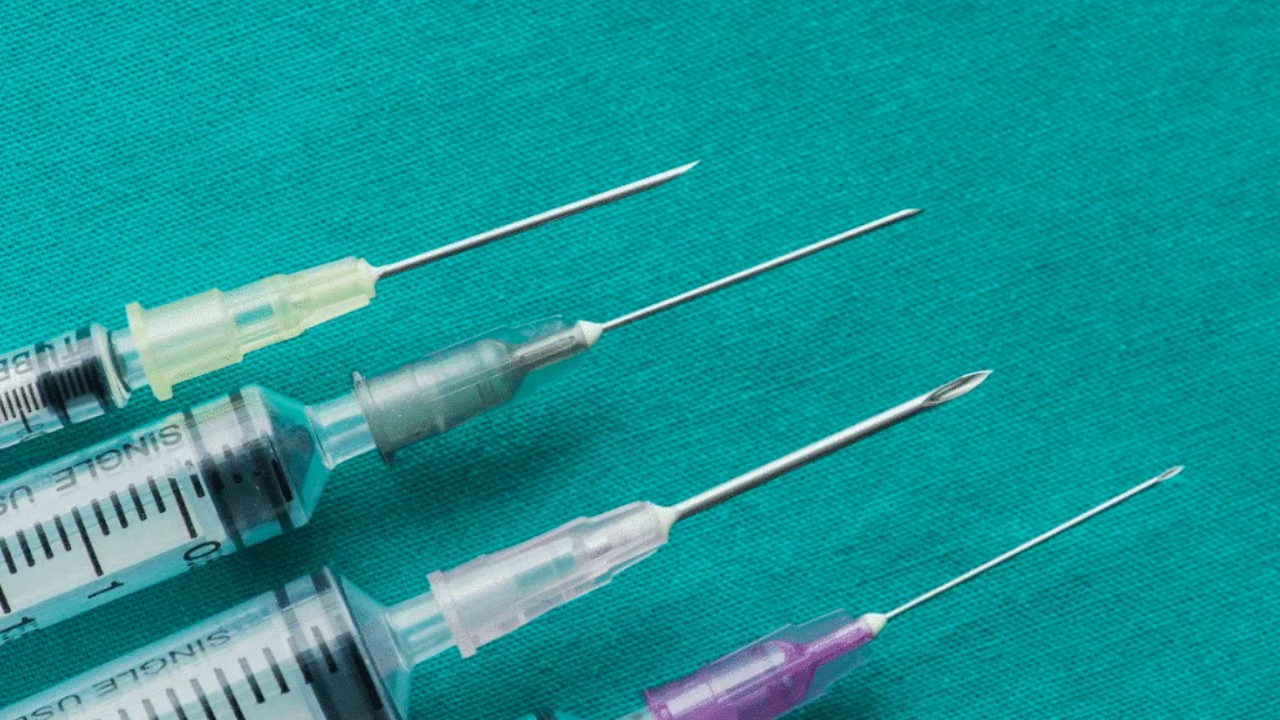
[File Photo]
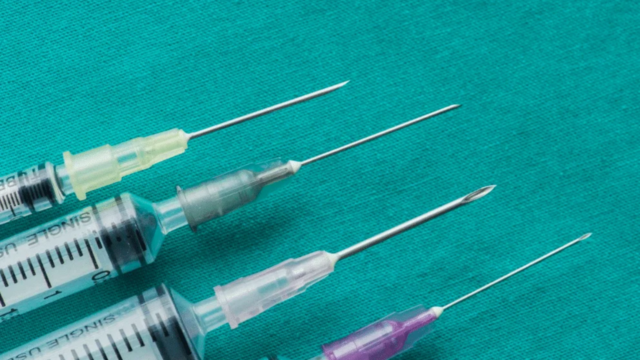
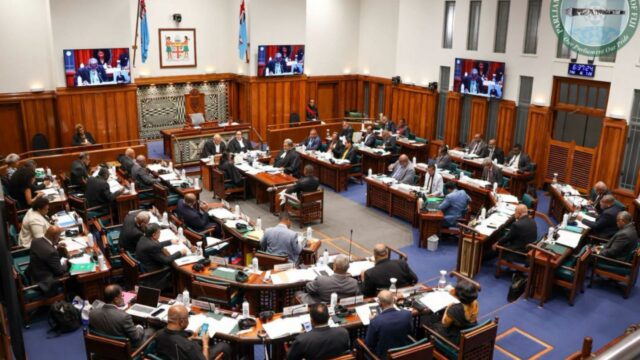
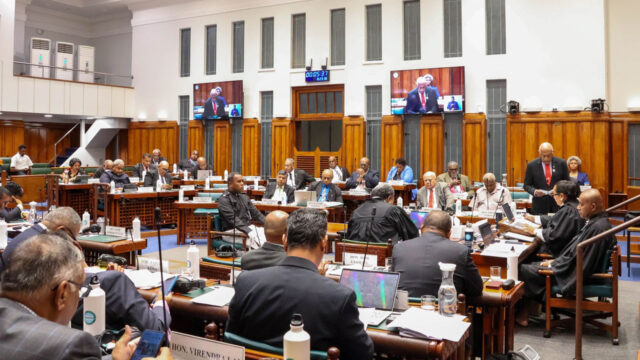
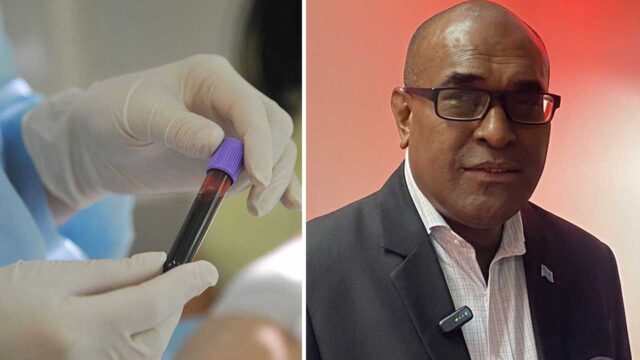
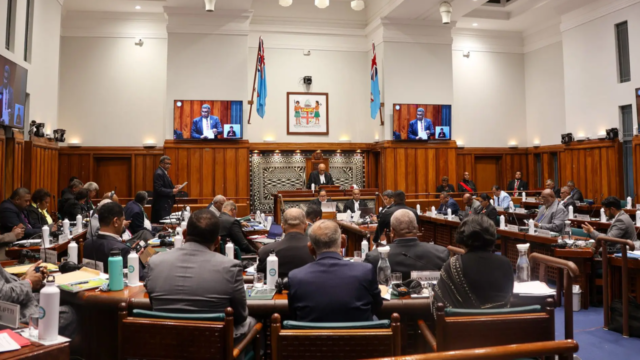
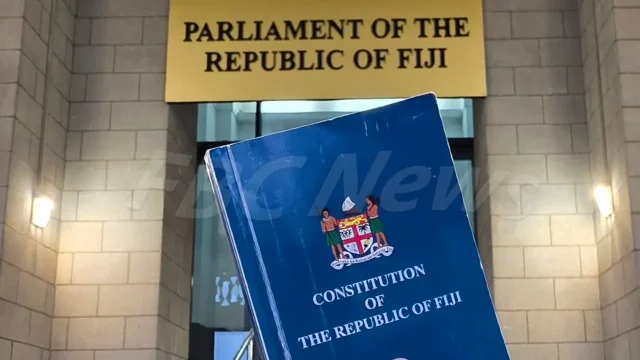
The needle and syringe programme is now set for rollout after Parliament passed amendments to the HIV/AIDS Act.
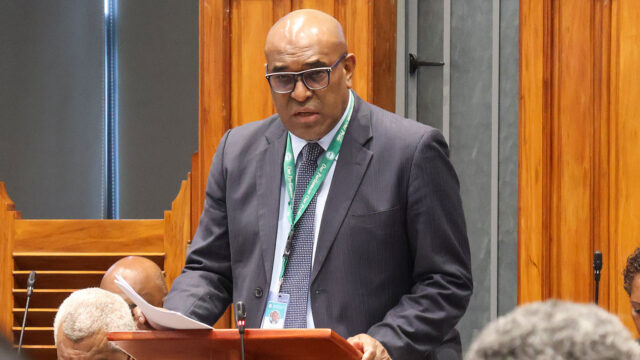
Health Minister Dr Atonio Lalabalavu says the programme will be delivered through sexual and reproductive health and HIV clinics, other government clinics, NGOs and interested private pharmacies.
He says peer outreach workers will distribute sterile needles and syringes and collect used equipment for safe disposal.
Dr Lalabalavu says the legislation will also allow harm-reduction programmes to provide condoms, PrEP, PEP, counselling, HIV information and referrals to treatment, rehabilitation and other health and social services.
“It may also provide facilities for the safe return and management of used items, targeted counselling, information and HIV/AIDS awareness materials, and referrals to HIV treatment, rehabilitation, mental health and other health and social support services. The Bill also allows for other measures to be approved by the Minister on the recommendation of the HIV/AIDS Board where those measures are necessary for the purposes of the Act. These provisions are therefore not an open-ended authority. They establish a defined public health framework, with ministerial direction and, where required by the Bill, the involvement of the HIV/AIDS Board.”
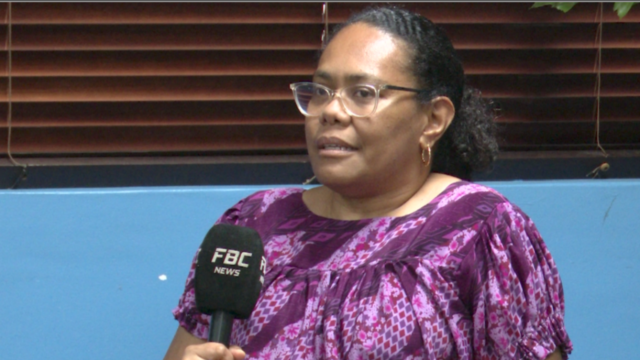
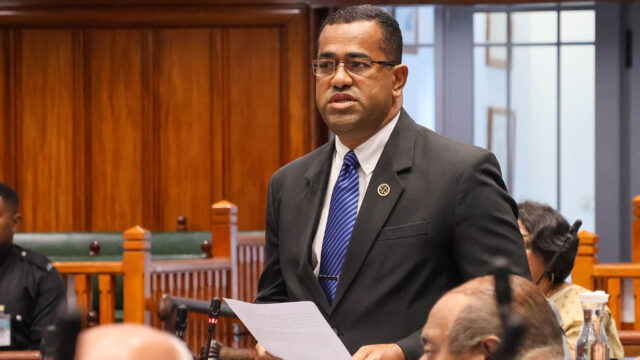
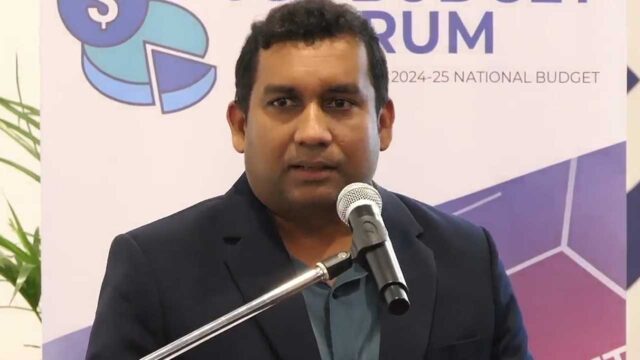
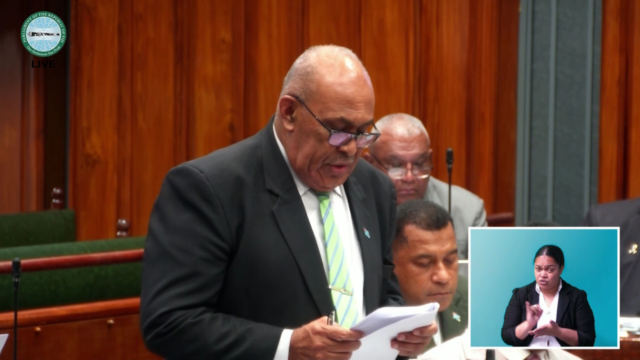
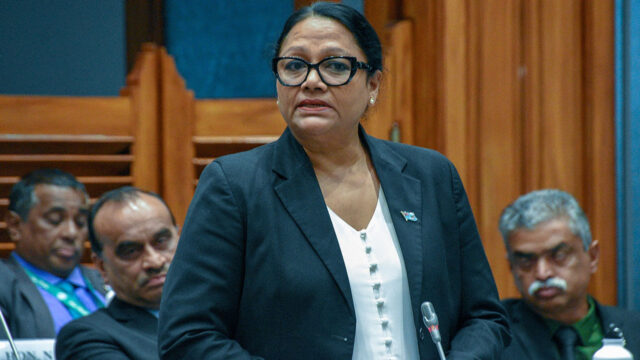
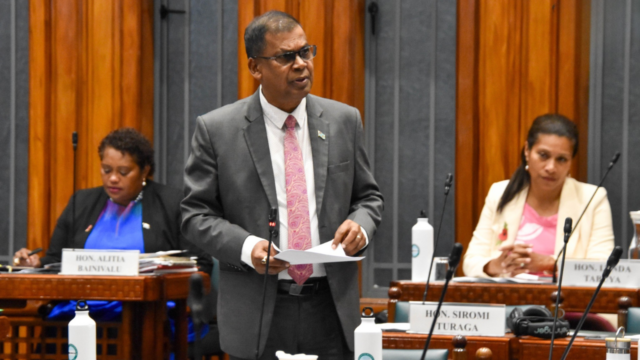
Assistant Minister for Health Penioni Ravunawa says the Ministry has already secured supplies for the programme, including sterile needles and syringes for people who inject drugs.
He says the commodities have been procured, service providers identified and operational standards prepared.
Ravunawa says the legislation gives the Health Minister the authority to introduce harm-reduction programmes.
He says providing sterile needles and syringes will reduce the risk of people sharing contaminated equipment and create opportunities for HIV testing, treatment and referrals for drug dependence and rehabilitation.
“Also concerning that the young people of our country between the age of 20 to 39 is recorded to be more than 50% affected with this virus. Also by ethnicity, Honourable Speaker, 93.9% are of iTaukei, 5.2% are of Indian descent and the other ethnic group carries 0.8% of those that are carrying the virus through the testing that was provided. Engagement and collaboration with faith-based organisations began in October last year. Pharmaceutical societies, the police, the DPP’s office, NGOs and communities have also been involved. That engagement matters. The programme can have supplies and standards and still fails to reach people if it does not have their trust.”
Ravunawa stresses that the programme will not legalise illicit drugs or remove enforcement against the supply of illegal drugs.
He says Fiji must act to prevent further HIV infections while ensuring people affected by drug use can access health services.
Ravunawa says further delays could prolong the gap between services already prepared by the Ministry and the people who need them.
The legislation comes as Fiji recorded 2,016 new HIV diagnoses in 2025, the highest annual number recorded to date.