 Josefa Sigavolavola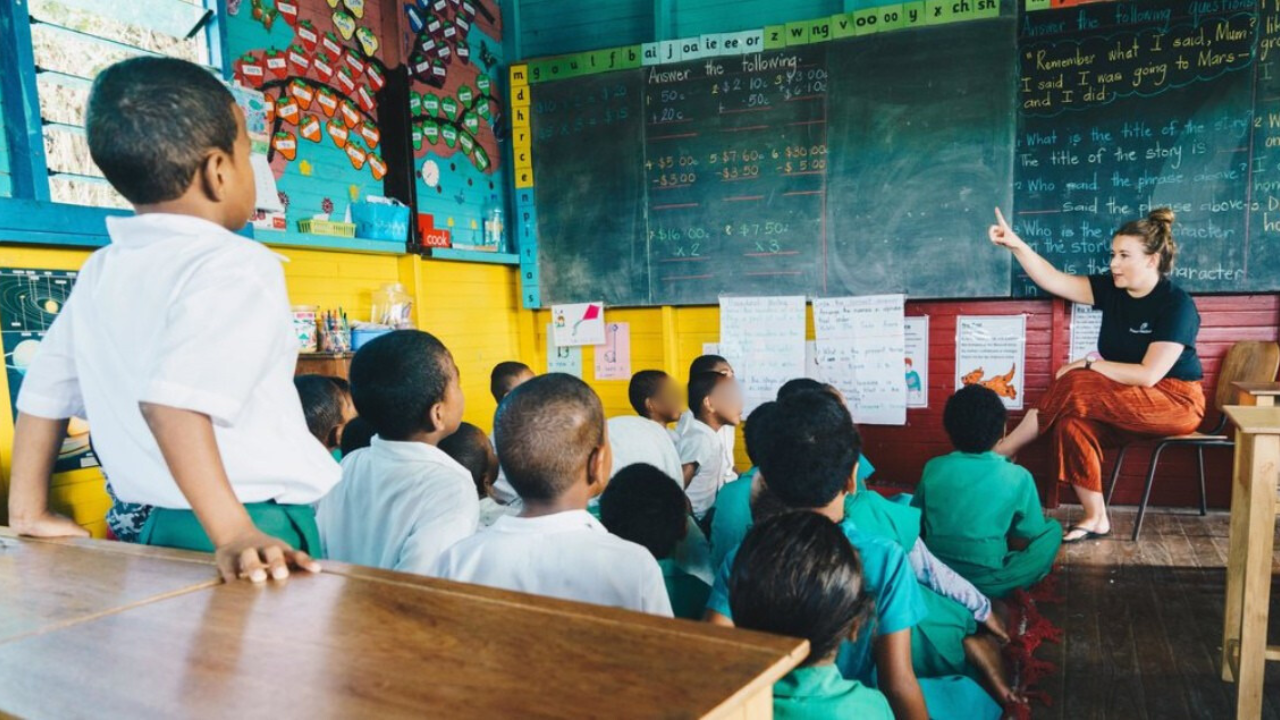
[Photo: FILE]
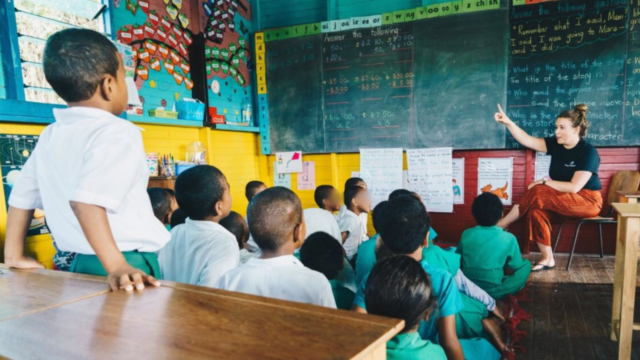
The Fijian Teachers Association is calling on parents to prioritise vernacular learning as part of their children’s education, warning that some families are increasingly viewing the subject as an unnecessary burden.
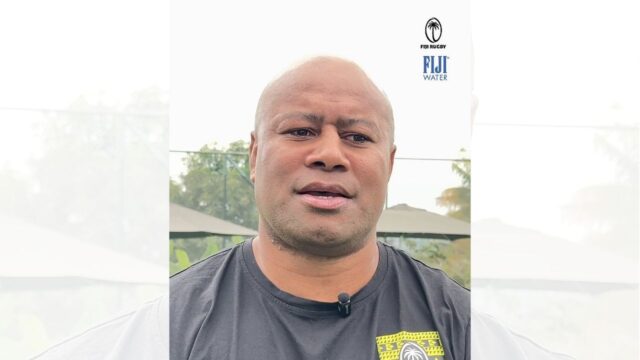
FTA General Secretary Paula Manumanunitoga says vernacular language is more than a curriculum requirement and plays a critical role in preserving culture, identity and social cohesion in Fiji’s multicultural society.
He believes greater emphasis on language learning can help strengthen cultural integration among different ethnic groups.
“I know we live in a multi-cultural society, but I can guarantee that not a lot of people know how to speak a foreign language, not a lot of iTaukei speak Hindi, not a lot of Indo-Fijians speak iTaukei or Rotuman, and this keeps us in a box away from actual integration.”
Manumanunitoga says language barriers often contribute to misunderstandings and social divisions, adding that learning each other’s languages from a young age can help break down those barriers.
“Most parents think that vernacular is a burden, but put it this way: when we see people who don’t look like us, we tend to put up walls out of fear. That’s because we can’t communicate our thoughts, which is where language comes in.”
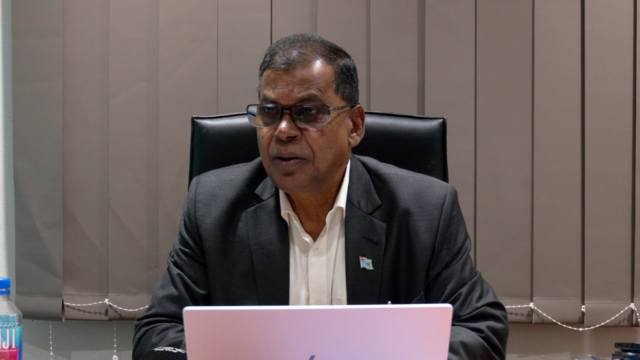
The Fiji Teachers Union has echoed similar concerns, stressing the importance of vernacular studies in maintaining cultural identity.
FTU General Secretary Muniappa Goundar says students are required to study a vernacular language and should view it as an opportunity rather than an obligation.
“But as far as we know as for the policy, it is compulsory we need our children to do one Vernecular, either iTaukei that is VosaVakaViti or Hindi, or Chinese, or Rotuman.”
Education stakeholders say vernacular learning remains an important tool for preserving Fiji’s diverse cultural heritage while promoting greater understanding and unity among future generations.