 Reuters
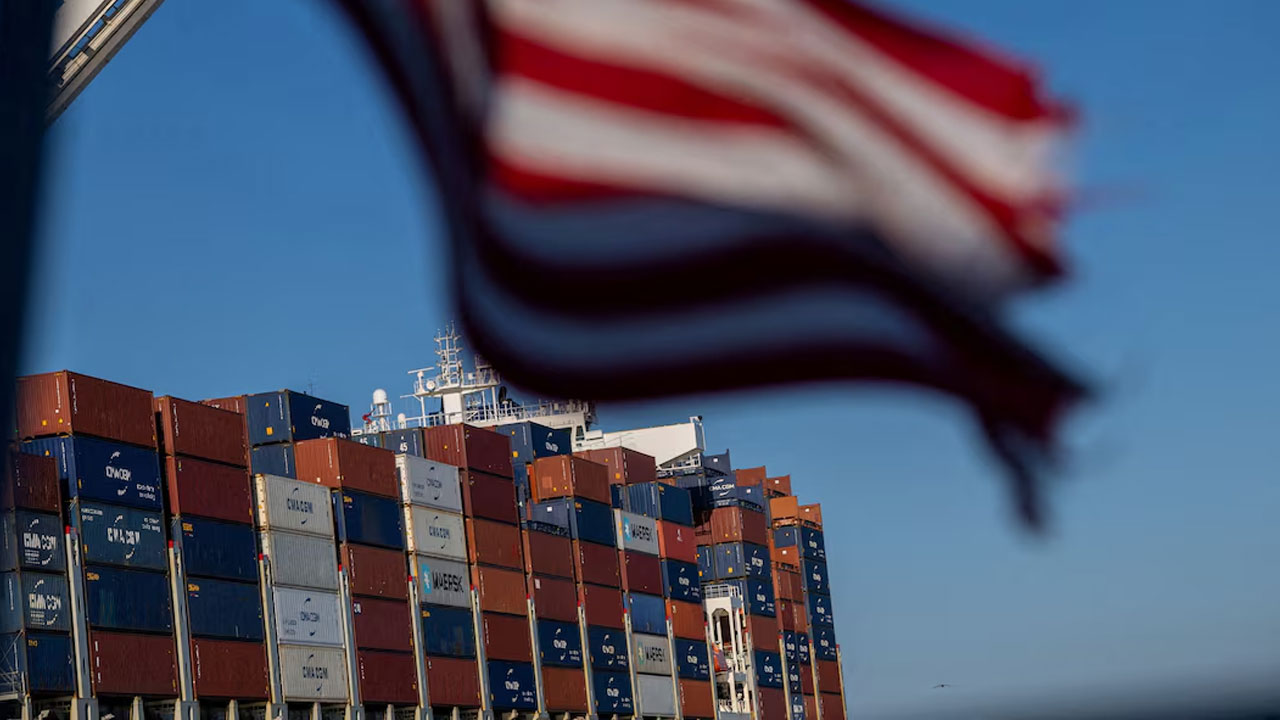
[Source: Reuters]
The Trump administration on Friday imposed new tariffs of 10% and 12.5% on goods from 60 trading partners, including the European Union and China, over allegations of lax enforcement of forced labor bans, just as a temporary 10% global tariff expired.
The move is the White House’s latest effort to restore President Donald Trump’s campaign vision of a near-global tariff after the U.S. Supreme Court in February struck down his “reciprocal” duties of 10% to 50% imposed last year under a national emergencies law to try to shrink the U.S. trade deficit.
The new tariffs, announced on Thursday in a Federal Register notice, opens new tab, cover 99.4% of U.S. imports, but include numerous product exemptions, such as oil and gas, fertilizer and certain food items.
Imposed under Section 301 of the Trade Act of 1974, the new duties allow the administration to maintain a tariff floor on virtually all U.S. imports despite the Supreme Court setback.
The tariffs are also likely to face less legal risk than those struck down in February, as Section 301 has survived prior court challenges.
Trump’s temporary 10% global tariff expired at 12:01 a.m. EDT on Friday (0401 GMT) after 150 days. The new duties took effect at that exact same moment, with goods in transit exempted until 12:01 a.m. EDT on July 28.
“The United States has had a forced labor import ban for nearly a century, and rigorously enforces it. It’s well past time for our trading partners to do the same,” U.S. Trade Representative Jamieson Greer said in a statement. “Today’s action will begin to correct what is both a human rights abuse and distortive trade practice to improve the welfare of workers everywhere.”
Greer has previously pledged that for countries that have reached trade deals with Washington capping U.S. tariff rates, the new forced labor duties would not push them above those caps.
The U.S. imposed a 10% duty on goods of Argentina, Bangladesh, Britain, Cambodia, Canada, Ecuador, El Salvador, Guatemala, Honduras, India, Indonesia, Jordan, Malaysia, Mexico, Pakistan, Sri Lanka, Trinidad and Tobago.
The European Union, Taiwan, Japan, South Korea and Switzerland were assigned rates that, combined with pre-existing most-favored-nation tariff rates, totaled 10% or 12.5%.