 Sainimili Magimagi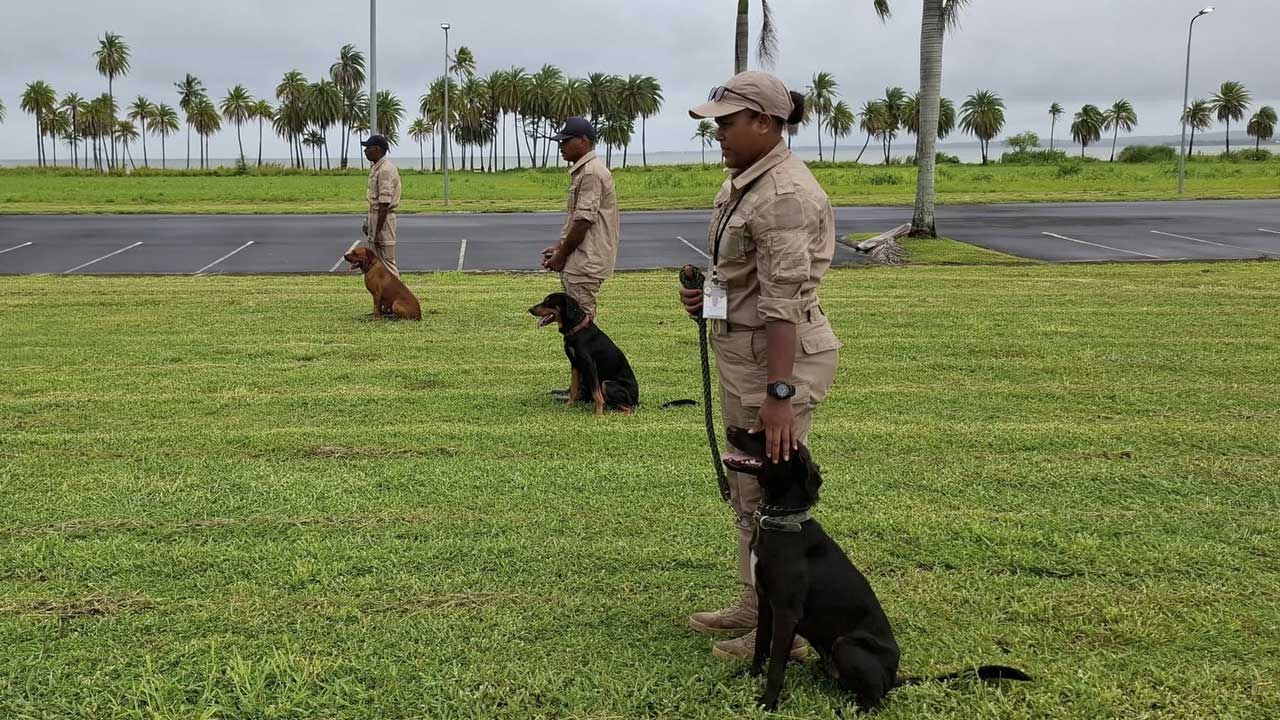
[File Photo]
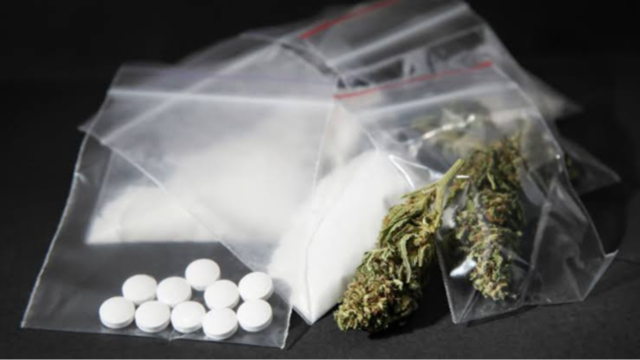
Limited detection resources continue to challenge efforts to curb contraband smuggling at facilities run by the Fiji Corrections Service.
Officer in Charge of the K9 Unit, Maika Ciqo, say smuggling methods have evolved over the years, with some families and visitors now involved in attempts to bypass security checks.
Items have been hidden in food during visitations, sealed inside shoes, planted at gravesites and even concealed in diapers worn by babies.
In some cases, contraband is also thrown over facility fences into random locations within prison compounds.
Ciqo, says detecting items smuggled through body cavities remains one of the most difficult challenges.
He adds that limited K9 resources create gaps in surveillance across correction facilities.
Currently, only one sniffer dog is available to support operations at the Naboro complex and three other facilities in Lautoka, Labasa and Suva.
The main facility at Naboro alone accommodates about 467 inmates and sits on approximately 250,000 acres of land.
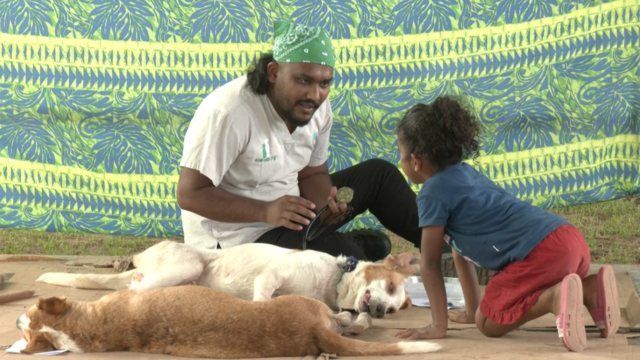
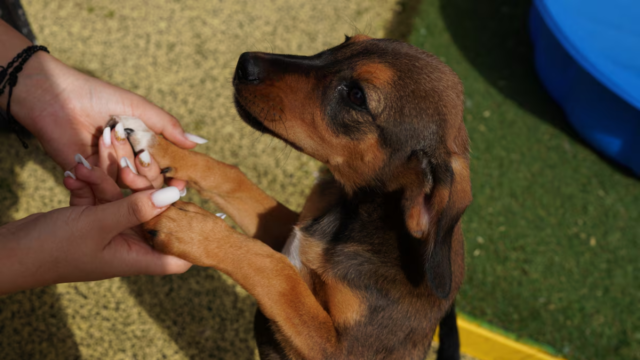
Despite the constraints, the Corrections Service maintains 30 tracker dogs, one sniffer dog and six puppies under its replacement programme.
Ciqo says purchasing a trained sniffer dog could cost the service around ten thousand dollars, but support from New Zealand is expected to strengthen the K9 unit in the coming months.
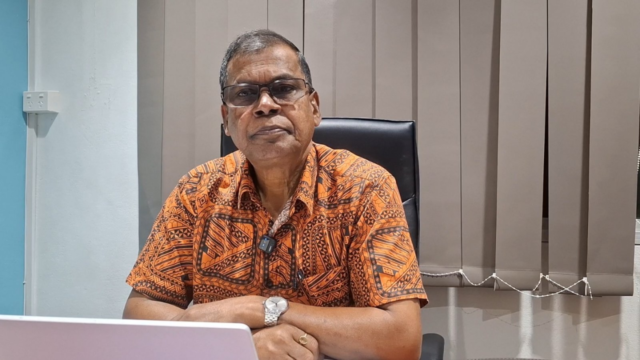
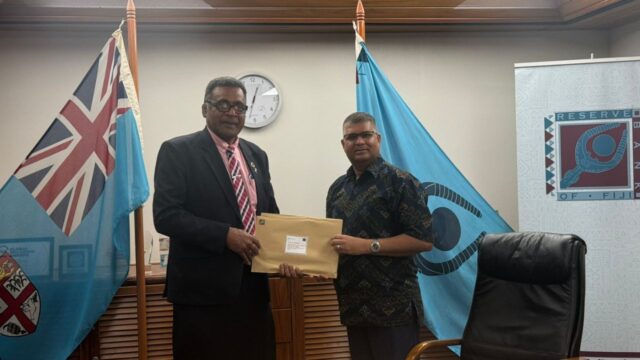
Acting Commissioner Auta Moceisuva says the service is also looking to install X-ray machines to detect items concealed in body cavities.
For now, the single sniffer dog is deployed daily at the Naboro facility before inmates head out for field duties.
Random spot checks are also conducted, with security operations intensified during visitation periods to deter smuggling attempts.