 Praneeta Prakash
[Photo: FILE]
The Consumer Council supports the effort to modernize public health law but believes several provisions require fine-tuning to ensure fairness, accountability, and the protection of individual rights.
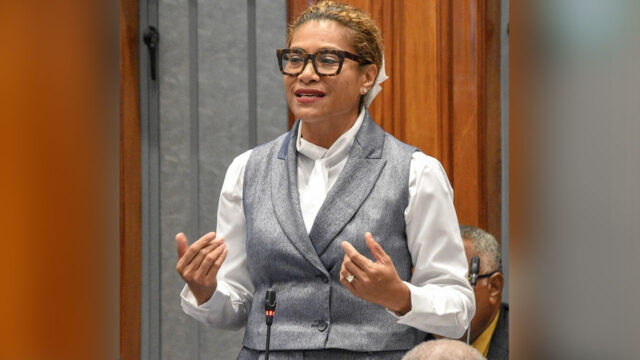
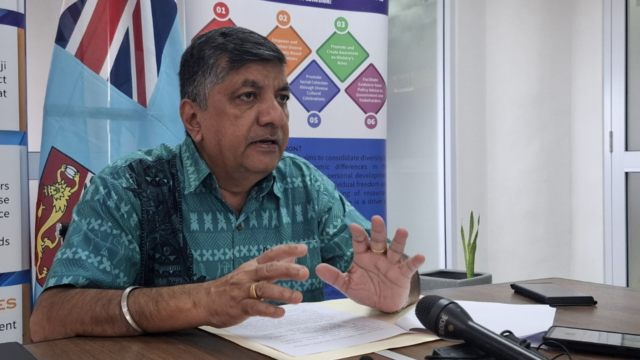
Chief Executive Seema Shandil says that while the Public Health Amendment Bill strikes an important balance between protecting public health and strengthening enforcement powers, several clauses could create legal uncertainty and unintended consequences for consumers.
One of the key recommendations by the Consumer Watchdog CEO relates to the definition of a common lodging house.
“We believe that a public’s or property’s public health risk depends on its physical condition and occupancy and not on its rental price or price point. And the definition should reflect that reality. Based on our experiences, we have registered cases where even a house that is rented between 1000 and 3000 may be in poor sanitary conditions.”
Shandil says the use of the term affordable could lead to confusion.
“A house rented below 1000 may be of a good sanitary condition. So I mean, it becomes difficult or very subjective to define the word affordable. And if something is taken to court, it can create a, you know, uncertainty.”
In response, National Wash Coordinator Toga Vosataki explained that the term was intended to distinguish low-cost accommodation.
“So the difference is the cost, meaning low-cost accommodation is categorized as common lodging. The good example may be dormitories, maybe the hut, flats, and other low-cost, very, very low-cost accommodation, as opposed to the house let us lodging, which focuses more on hotels, resorts, homestays, the rental house that’s classified as rental, the one that we put up for rent,including Airbnb, and all that. “
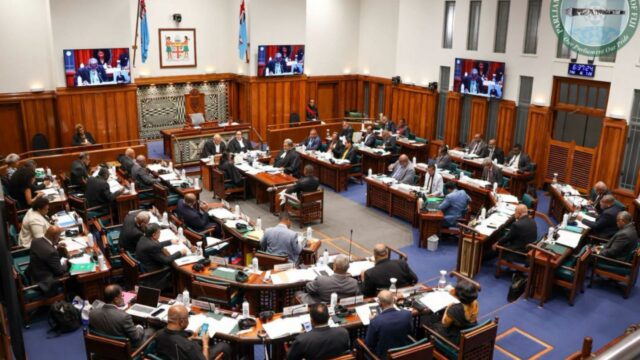
The Standing Committee on Social Affairs continues to scrutinize the bill, with stakeholders providing recommendations aimed at strengthening consumer protections while maintaining strong public health safeguards.