 Peceli Naviticoko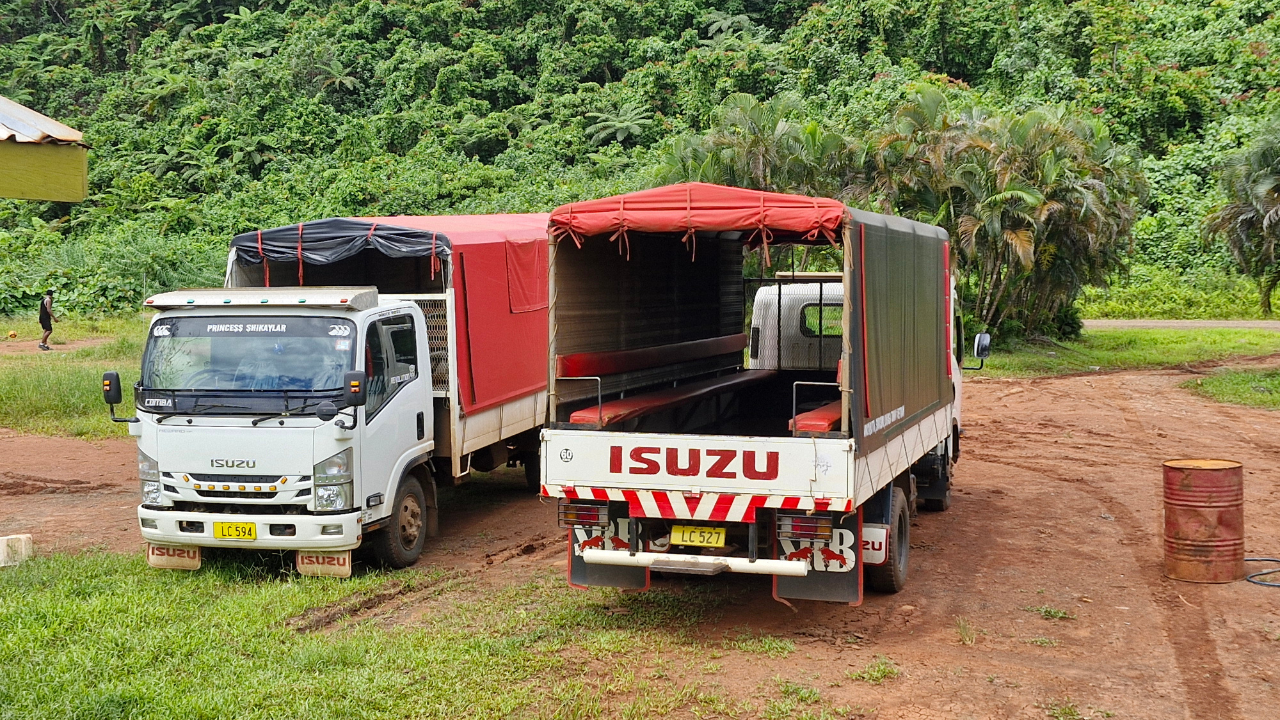
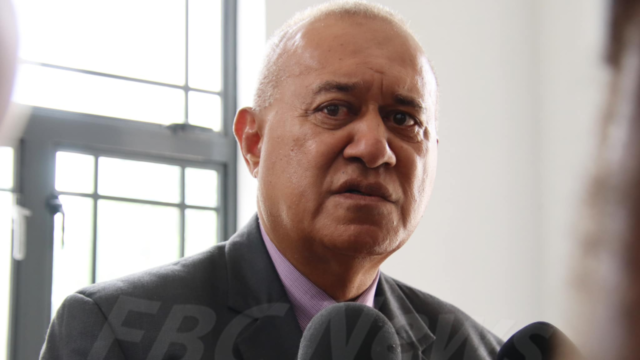
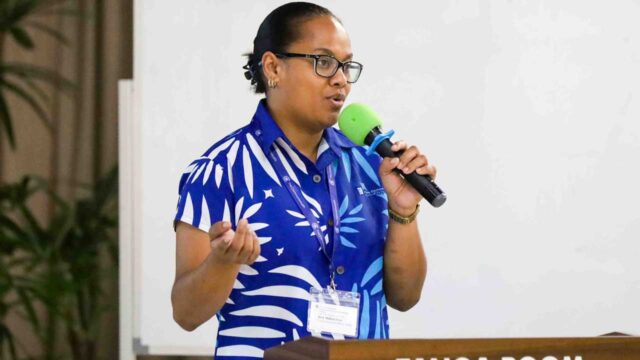
[Photo: PECELI NAVITICOKO]
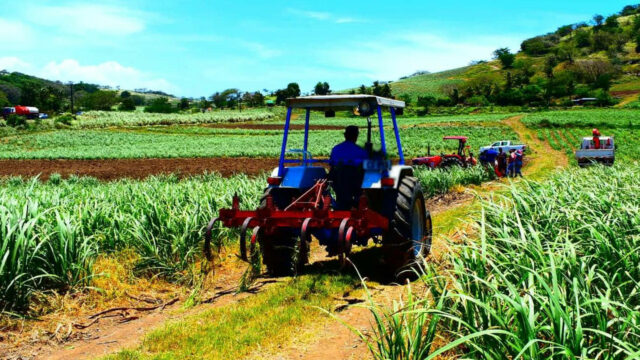
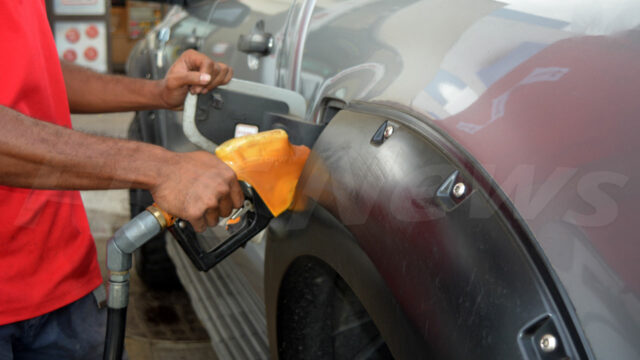
More rural commuters in Seaqaqa, Macuata, could soon face higher transport costs as carrier operators struggle to cope with rising fuel prices and increasing operating expenses.
Operators servicing remote communities say the continued increase in fuel costs is placing significant pressure on their businesses, with some already reducing services due to financial constraints.
Seaqaqa carrier operator Erami Biuanisala says many drivers are operating at a loss and are calling for government assistance similar to the support provided to bus operators.
Close to 10 carrier operators in Seaqaqa have raised concerns, with one operator already ceasing services on a designated route because it is no longer financially viable.
“In that letter, we have clarified that we are facing a lot of problems because we can no longer purchase fuel through our accounts. When we go to businesses in Seaqaqa, they tell us we now have to pay cash.”
Biuanisala says most carrier operators serve remote rural communities on gravel roads, where poor road conditions and constant vehicle repairs further increase operating costs. He warns that if fuel prices continue to rise, more operators may be forced to stop servicing rural routes.
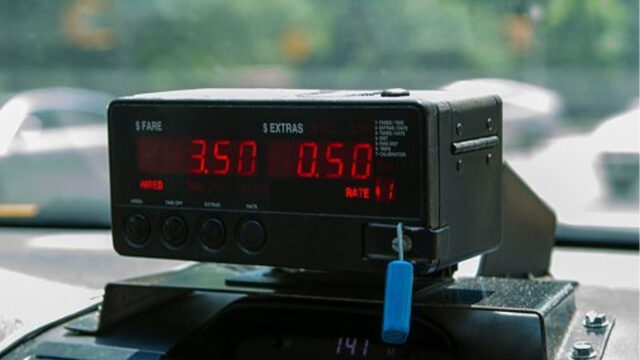
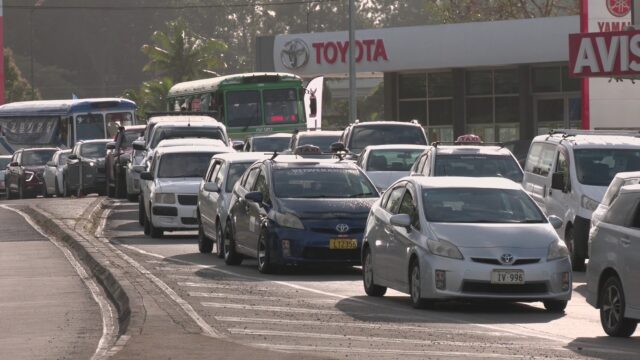
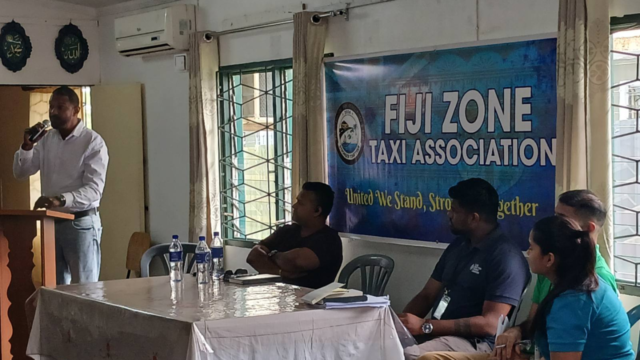
The concerns are also being echoed by Labasa taxi operator Mahen Prasad, who says the rising cost of fuel is significantly reducing drivers’ earnings and making it increasingly difficult to sustain operations.
Prasad says fuel prices have increased several times in recent months and are now approaching $4 a litre, placing additional strain on transport operators who are already dealing with higher vehicle maintenance and spare parts costs.
Transport operators are now calling for urgent government intervention, warning that without assistance or a review of fare structures, more services could be reduced or withdrawn, leaving rural communities with fewer transport options and greater difficulty accessing essential services.