 Apenisa Waqairadovu
It says the EIA did not provide a complete and validated pathway for how hazardous waste would be treated, transported, stored or disposed of in Fiji. [Photo: FILE]
The Department of Environment says concerns over public health and environmental safety were among the key reasons for rejecting TNG’s Environmental Impact Assessment.
It found that the report did not adequately assess the full impact of emissions and hazardous waste associated with the proposed waste-to-energy facility.
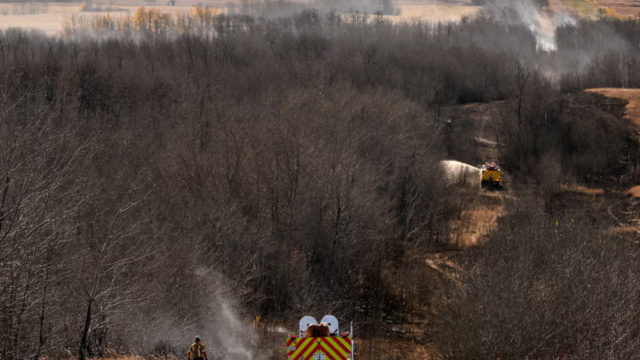
The ministry says the EIA failed to properly evaluate several pollutants linked to waste combustion, including dioxins, heavy metals and other toxic emissions.
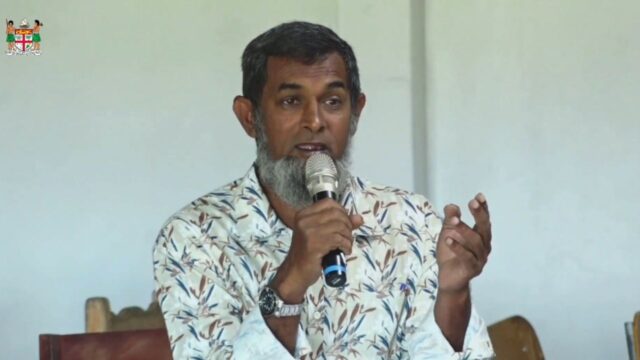
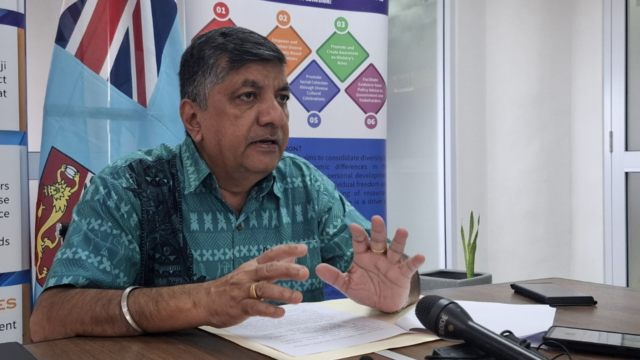
Permanent Secretary for Environment Dr. Sivendra Michael says the assessment also failed to account for how the plant would operate under abnormal conditions.
“The human health risk assessment also did not adequately quantify all relevant exposure pathways including long-term cumulative exposure, bioaccumulation, marine and fisheries related pathways, tank water exposure and so forth for other resource owners and coastal communities living in close proximity to this facility. The department was therefore not satisfied that public health risk would be acceptable or capable of being effectively managed through approval conditions.”
The department says concerns extended beyond air quality to the management of hazardous fly ash and other residues generated by the facility.
It says the EIA did not provide a complete and validated pathway for how hazardous waste would be treated, transported, stored or disposed of in Fiji.
Director of Environment Senimili Baleicakau says the Technical Review Committee’s assessment found the report lacked the information needed for approval.
“Their role was to review the adequacy, the accuracy, the completeness of the EIA report and its supporting documents against the terms of reference that was issued and approved by the department on the 28th of November 2025 and whether the issues that was raised by the public and every stakeholders was properly addressed by the proponent.”
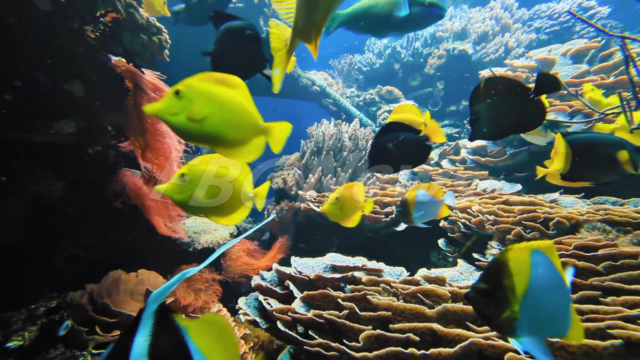
The ministry says critical gaps also remained in baseline environmental data, including air quality, groundwater and marine ecology assessments.
It says the cumulative effect of these unresolved issues meant the risks to people; communities and the environment could not be adequately managed under the proposed development.