 Mosese Raqio
[Photo: FILE]
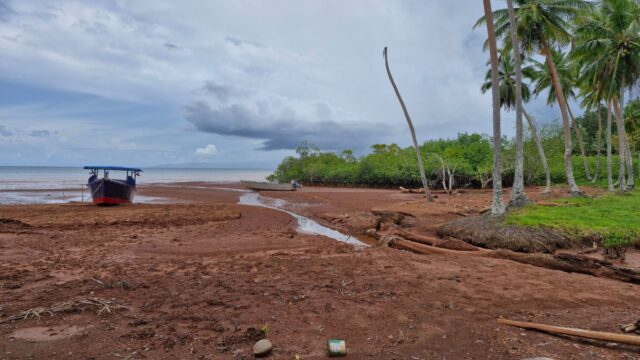
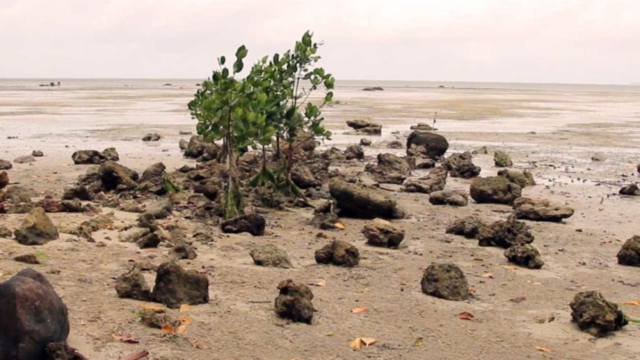
Four villages in Lau have taken a major step towards protecting their marine resources, joining a community-led initiative aimed at restoring fish stocks and strengthening the management of traditional fishing grounds.
The villages of Susui, Sawana, Levukana and Uruone in the Lomaloma District have officially become part of the 4FJ Fish Smart Learning Site Initiative, a programme designed to equip communities with the skills and knowledge needed to monitor and manage the health of their qoliqoli.
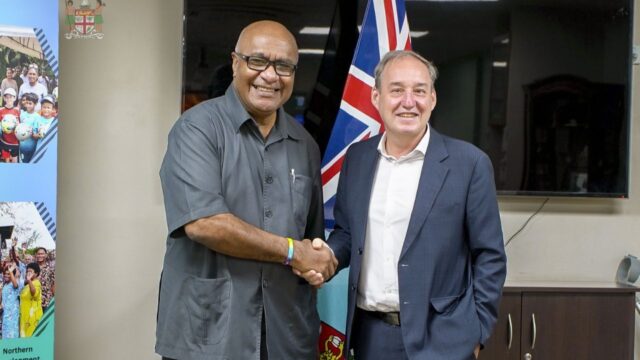
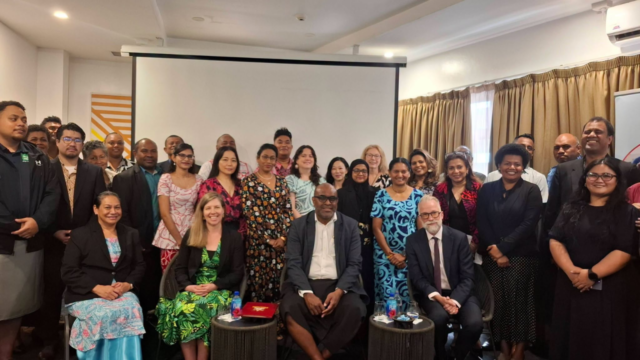
The initiative is led by cChange Pacific in partnership with the Ministry of Fisheries, the Ministry of iTaukei Affairs and the Lau Provincial Council, with support from the Kiwa Initiative.
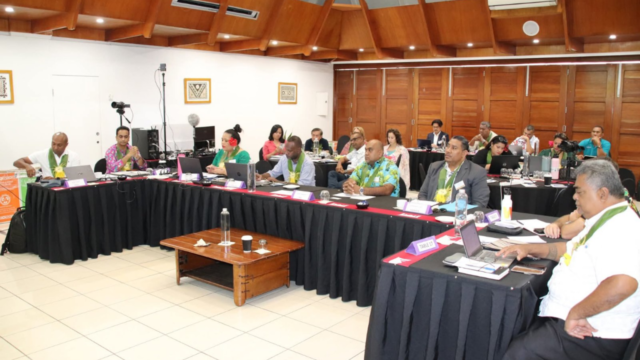
During consultations, village leaders, fishers, women, and youth raised concerns about declining fish stocks and identified species they believe need urgent protection and recovery.
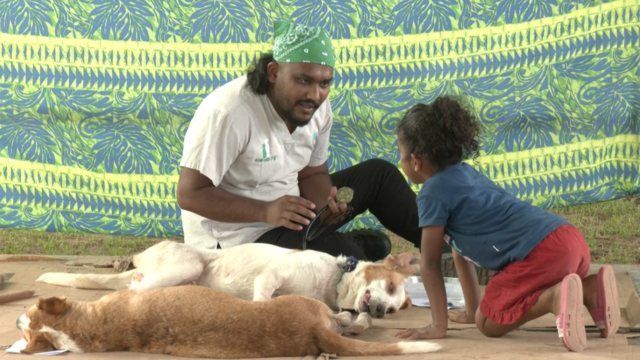
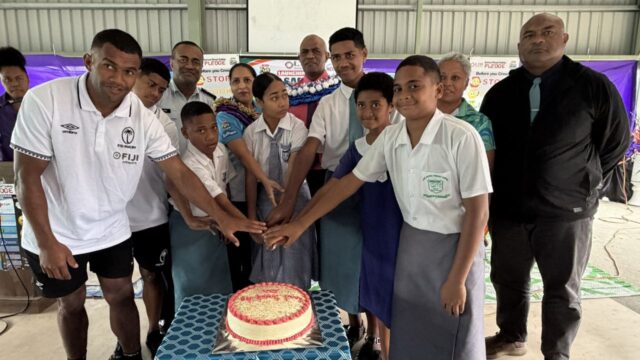
The programme has since moved into hands-on training, with communities learning how to monitor catches, collect fisheries data and identify priority species that are vital for food security, livelihoods and cultural practices.
Community champions have now been selected and will receive specialised training in fish measurement and catch data collection. The information gathered will be used to prepare fisheries health reports and guide future management decisions within their fishing grounds.
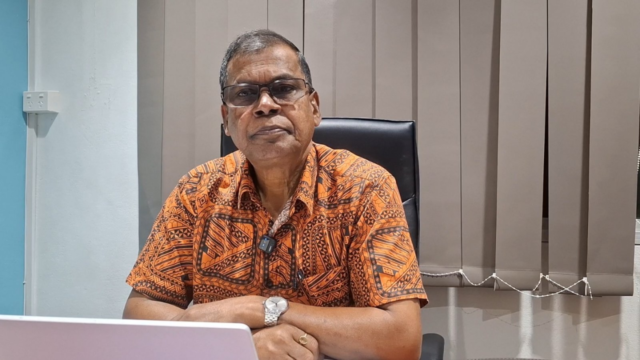
Project representative Mafa Wilson says the strength of the initiative lies in communities leading the process themselves.
Wilson says villagers are identifying species of concern, collecting information from their own fishing activities, and working together to determine the best ways to protect their qoliqoli for future generations.
The Learning Site Approach forms part of the wider 4FJ Fish Smart Campaign, which promotes responsible fishing, climate resilience, community leadership and food security across Fiji.
The programme will continue to expand throughout the Lomaloma District in Vanuabalavu, with the long-term goal of developing a model that can be replicated in communities across the country.
The initiative is funded through the Kiwa Initiative and supported by Agence Française de Développement, the European Union, and the Governments of Australia, New Zealand, and Canada.