 Riya Mala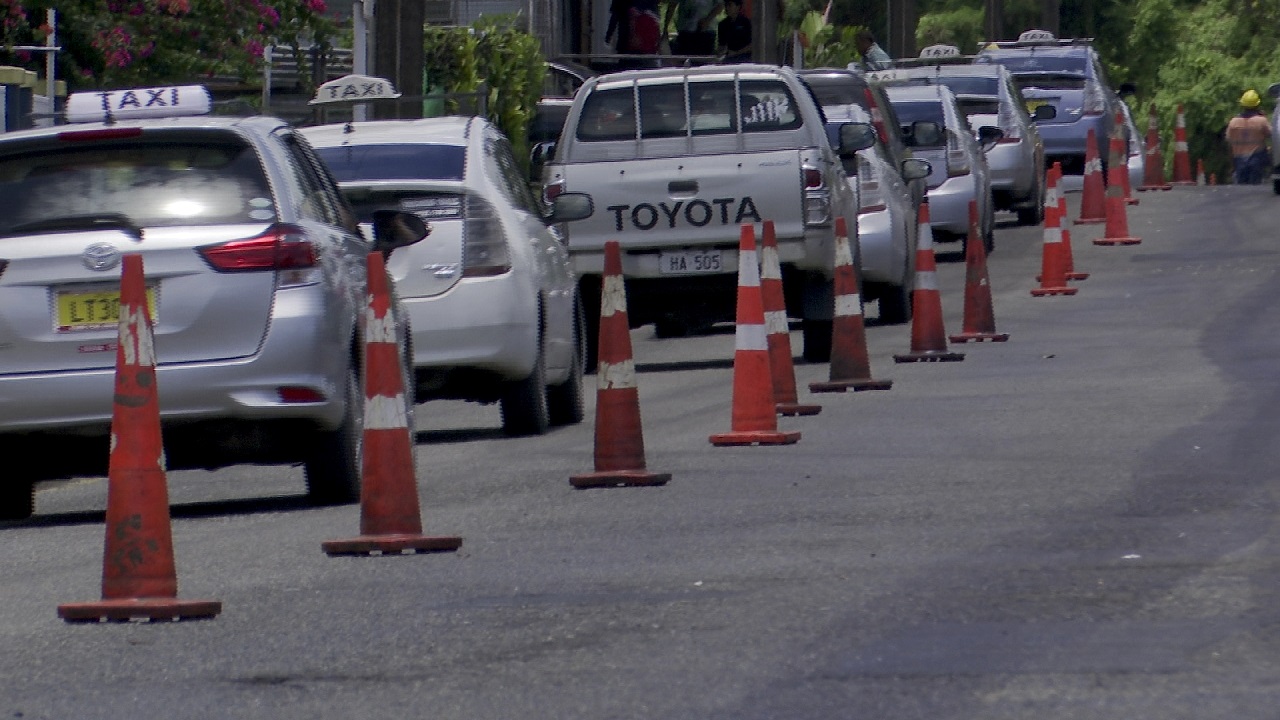
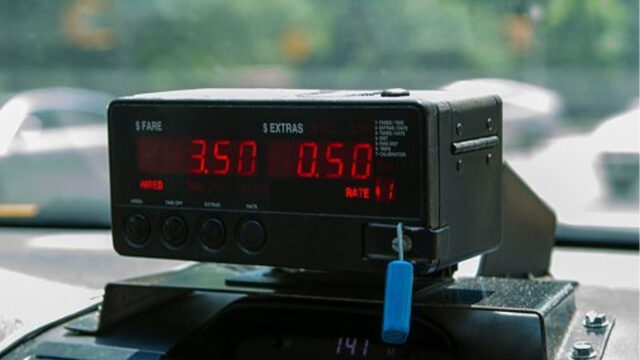
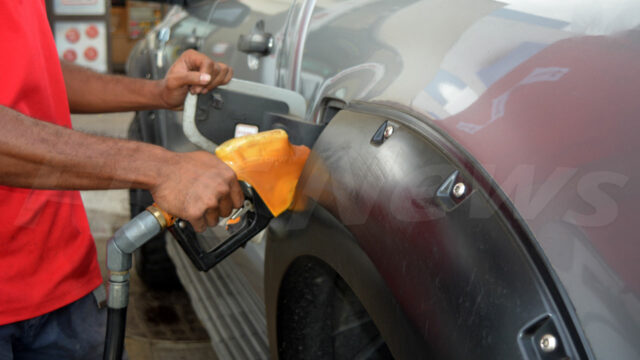
Taxi operators are calling on government to consider relief measures as rising fuel prices continue to increase operating costs and reduce driver earnings.
Regent Taxis Director Harish Chandra says drivers are among the hardest hit by recent fuel price increases, with many struggling to earn enough to cover daily expenses and support their families.
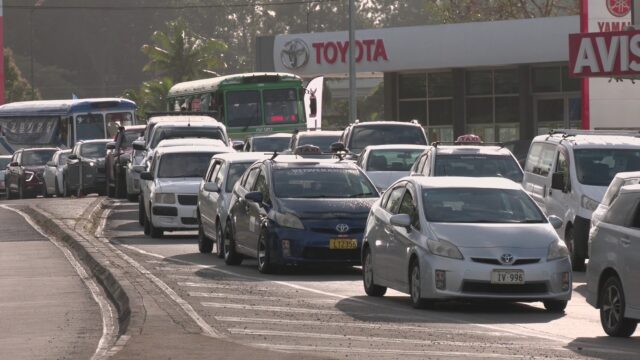
Chandra claims the impact is being felt across the industry, estimating that around 4,500 taxis operate daily in Fiji, with each vehicle consuming between 35 and 40 litres of fuel a day.
“The recent fuel increases in the last two months have been drastic. It’s almost come to a stage where the drivers are having nothing to take home once they finish their shifts per day. If you take 4,500 taxis operating every day and each taxi uses almost 40 litres of fuel daily, the government is collecting around $173,000 a day from VAT and duty alone.”
He says operators have also seen a decline in passenger numbers as commuters look for ways to cut costs amid the rising cost of living.
According to Chandra, many people are now reducing their use of taxis as they prioritise spending on groceries, utility bills and other household expenses, resulting in lower revenue for drivers.
Veteran taxi driver Ramesh Chand, who has worked in the industry for more than 30 years, says the increase in fuel prices has significantly reduced what drivers can take home at the end of the day.
“It’s a big difference. One dollar fifty increase in two months is too much. It makes about thirty to thirty-five dollars difference per day. Before I used to pay forty dollars and run it for a whole day. Now we have to pay sixty-five, seventy, seventy-five dollars. That money we used to save and buy groceries but now it all goes into fuel.”
Chand says business has slowed compared to previous years, with fewer passengers using taxis as many seek more affordable transport options.
Taxi operators are now urging government to review fuel-related taxes or introduce temporary rebates to help ease the burden on drivers and the wider transport sector.