 Riya Bhagwan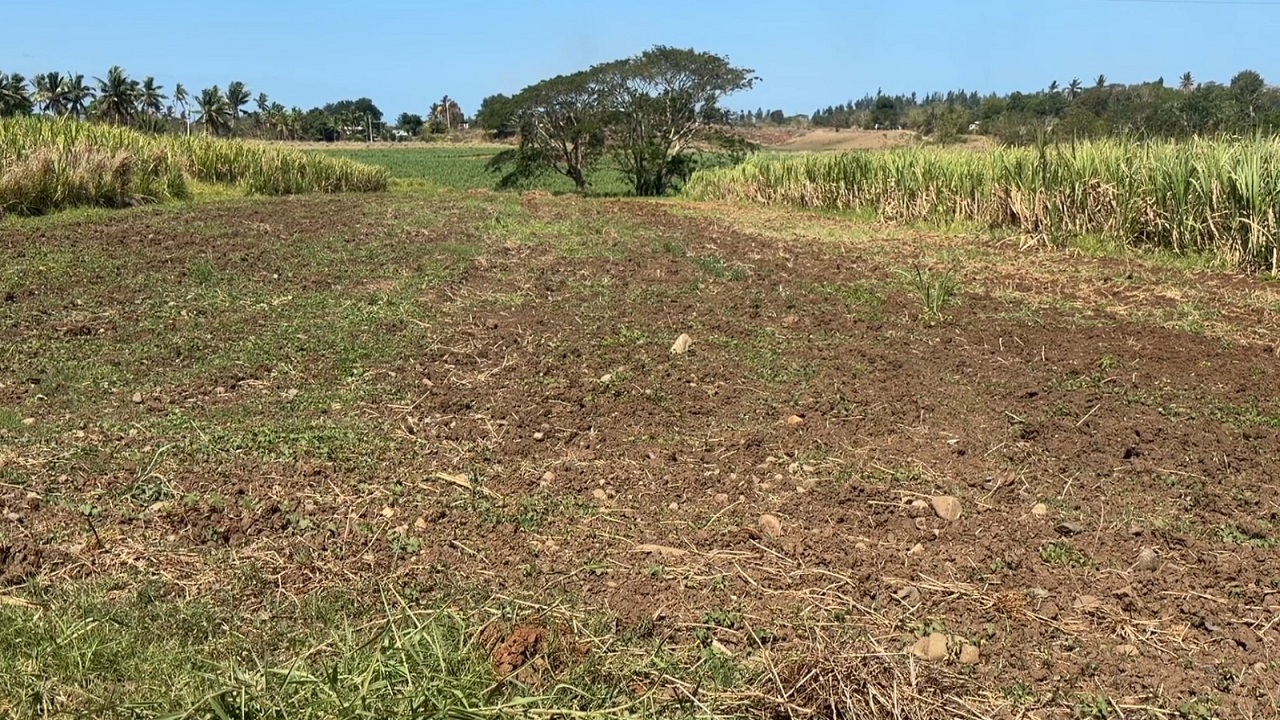
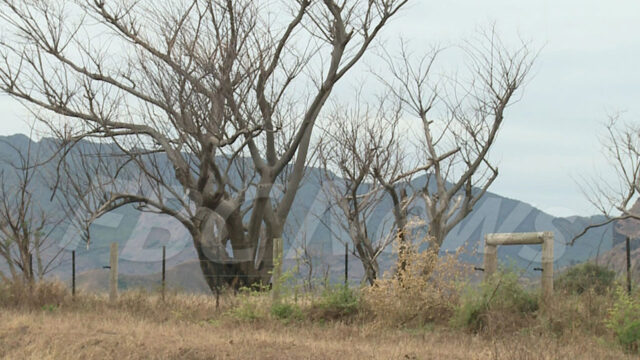
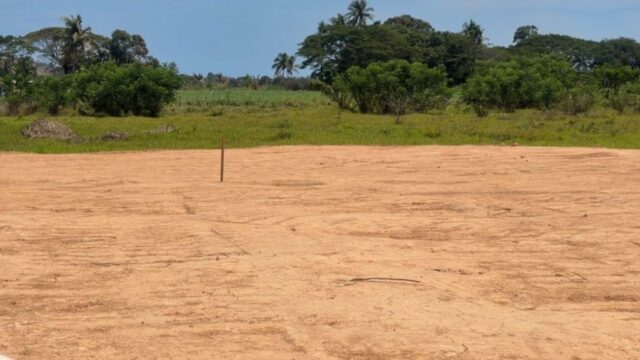
Farmers are already feeling the pressure of worsening dry conditions as Fiji braces for a severe El Niño.
With less water available for crops and livestock, farmers fear their incomes could take a major hit in the coming months.
For Saleshni Devi of Votualevu in Nadi, the impact is already visible.
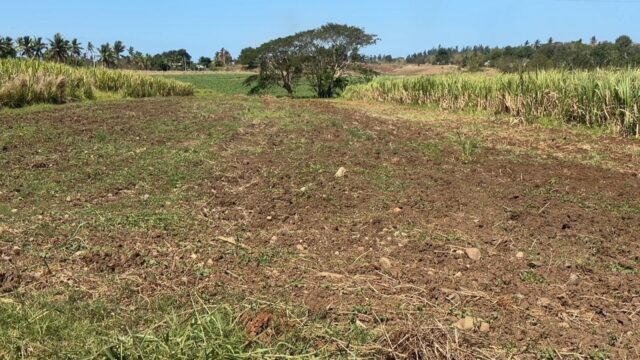
Her farm is drying up, and she is now freezing vegetables so they can be preserved for several months.
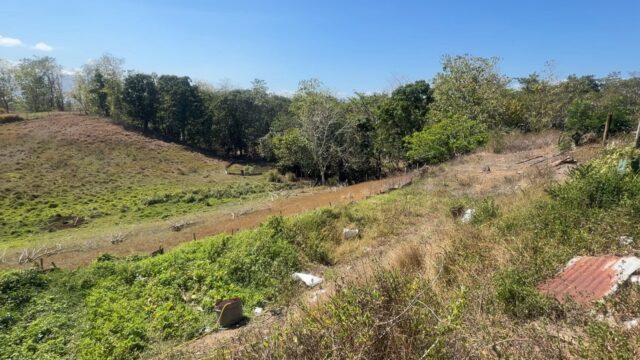
She is also reducing water use on the farm, but says there is only so much she can do.
“For processing, I am collecting all the vegetables that we can freeze and give them life, like for bora, we say cow peas, that one. We can peel and put it in the freeze, we can use it for three, four or five months like that, and other crops which we can just steam and put that one in the freezer, we can use that one. Like you can see on my farms, it’s drying up and we can’t do, we can’t give so much of water every day.”
Devi says limited nursery space is also making it difficult to protect her crops and conserve water as the dry spell intensifies.
In the hills of Sabeto, Shalendra Kumar is facing a similar challenge.
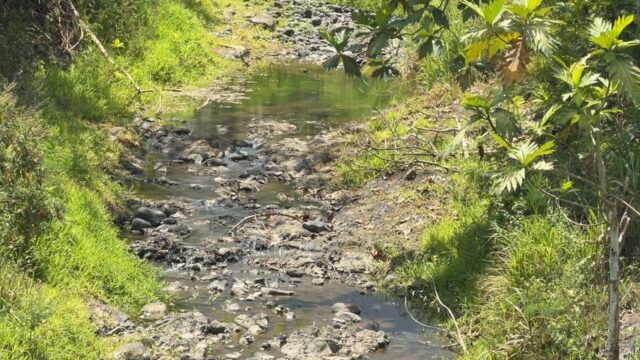
Kumar relies on river water to irrigate his vegetables, but says the water level is already falling.
“Even I can’t grow my vegetables properly. I have to water them from the river. Even the water level is going down. It’s very dry. Everything is drying up. Even the animals up in the hills, they are put in the gates. They run away from the gate. There is no food for them. Even the pigs from the hill, coming down to eat cassava.”
With even drier conditions expected in the coming months, farmers and communities could face increasing pressure on their water supplies and livelihoods.
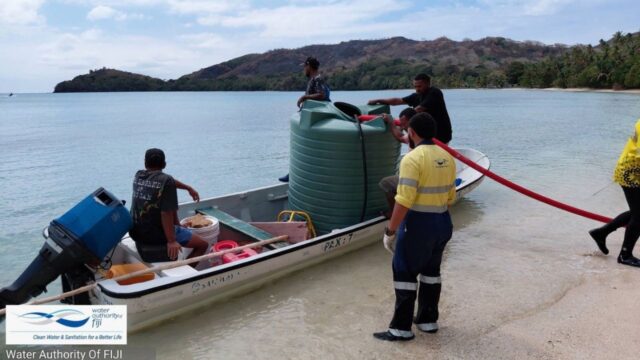
The public is being urged to prepare by storing water and using it wisely as Fiji braces for the anticipated impacts of severe El Niño conditions.