 Apenisa Waqairadovu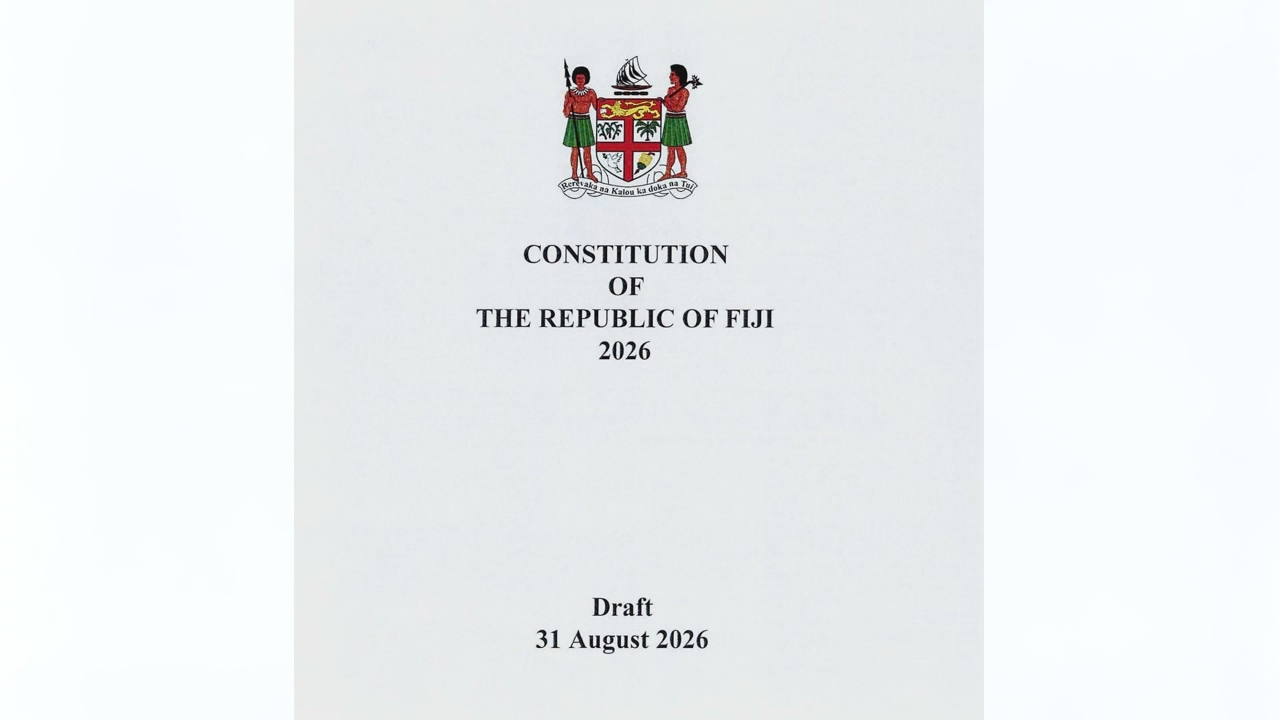
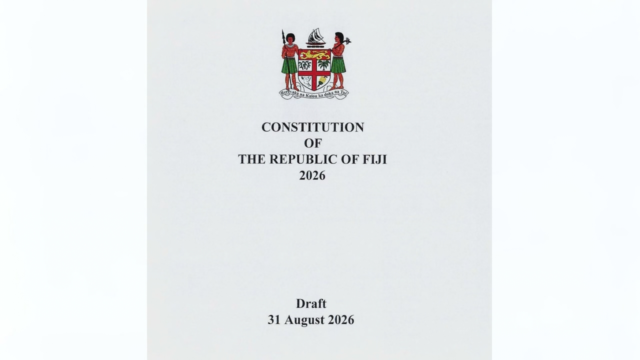
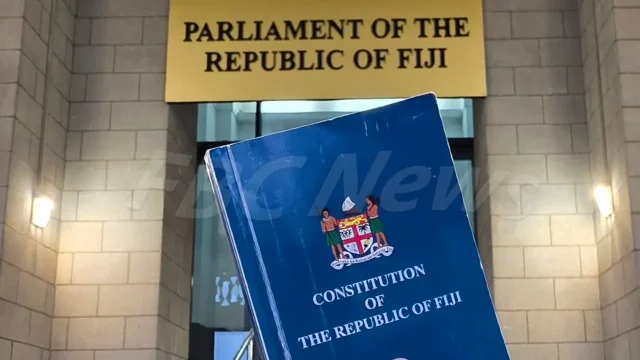
[Supplied: Cover page of the 2026 Republic of Fiji Draft Constitution]
The proposed Constitution would change how a state of emergency is declared in Fiji and introduce new checks on those powers.
Under the current Constitution, the Prime Minister can declare a state of emergency on the recommendation of the Commissioner of Police and the Commander of the Republic of Fiji Military Forces.
The draft instead gives that power to Cabinet, acting on the recommendation of the National Security Council.
The requirement for parliamentary confirmation remains largely unchanged.
If Parliament is sitting, confirmation must be sought within 24 hours.
If it is not sitting, the Speaker must seek confirmation from MPs within 48 hours.
But the draft goes further by giving the House of Representatives the power to terminate an emergency and amend or disallow emergency regulations.
It also gives the High Court the power to terminate an emergency if the circumstances no longer justify it.
Another major change concerns rights.
The draft says any restrictions on rights during an emergency must be strictly required by the emergency and consistent with Fiji’s international obligations.
It also provides for Parliament to be recalled if an emergency is declared after its dissolution, while allowing its term to be extended during an emergency for up to 12 months.
The changes therefore retain the existing parliamentary confirmation process, while adding new roles for Cabinet, the National Security Council, Parliament and the High Court in the exercise and oversight of emergency powers.