 Litia Cava
[Photo: File]
The proposed Public Health Amendment Bill is failing to address some of the country’s biggest health challenges.
This, according to the University of Fiji.
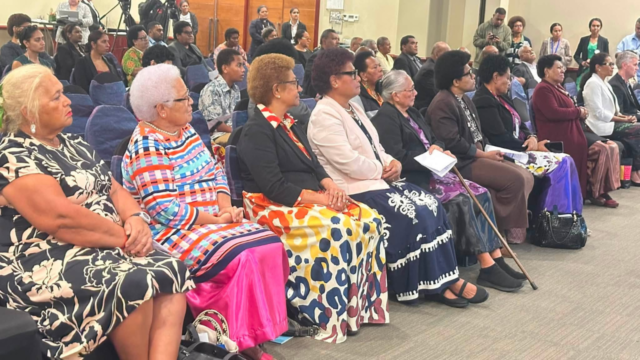
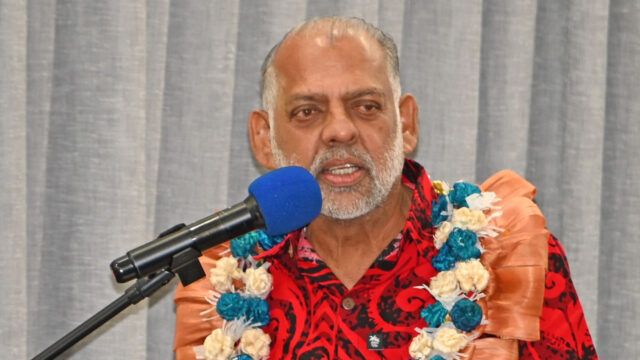
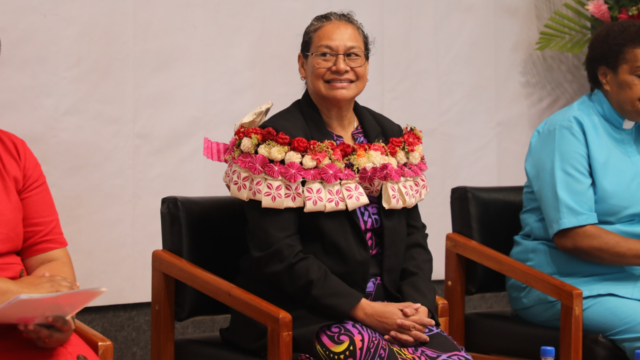
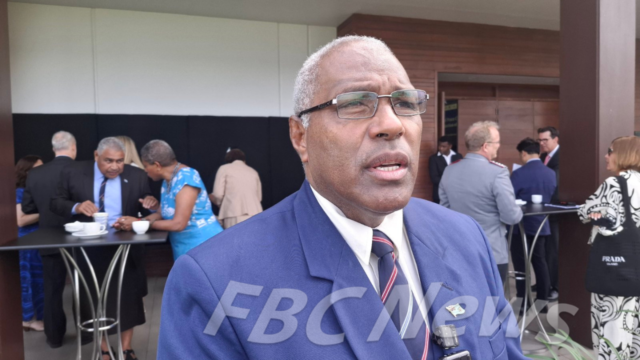
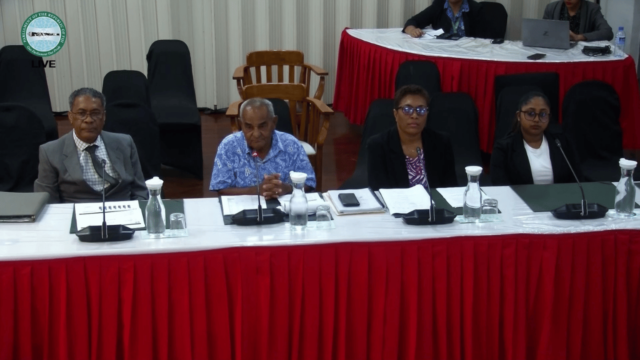
Appearing before the Parliamentary Standing Committee on Social Affairs, University of Fiji Vice-Chancellor Professor Shaista Shameem warned the legislation is outdated and
lacks a clear vision for modern public health.
She said the bill does not clearly explain its purpose or what it aims to achieve.
“So the purpose of the bill is really important and this is where I think it’s the most radical thing that we could propose right at this moment in time to this honorable
committee and that is that you have to think about what this bill is for.”
Professor Shameem told the committee that public health can no longer be limited to hospitals, diseases and medical treatment.
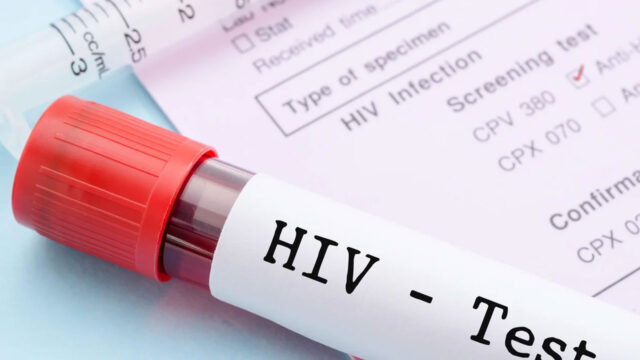
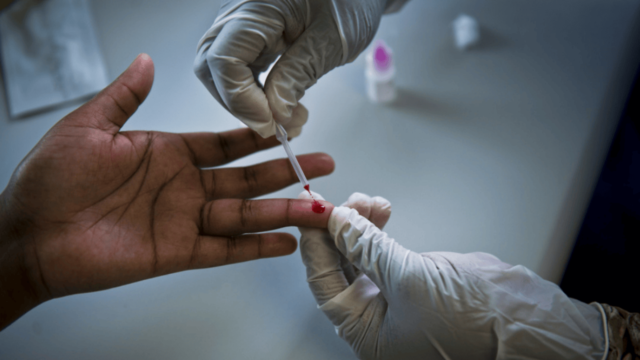
She said issues such as HIV, domestic violence and violence against children must be recognised as public health concerns because they have lasting impacts on physical and
mental wellbeing.
She said violence is often addressed only through the criminal justice system but the health consequences for survivors must also be considered.
Professor Shameem called for the bill to be rewritten to clearly state that its purpose is to promote, protect and improve the health and wellbeing of all people in Fiji.
She also criticised the country’s reliance on hospital-based care, saying health services must shift closer to communities.
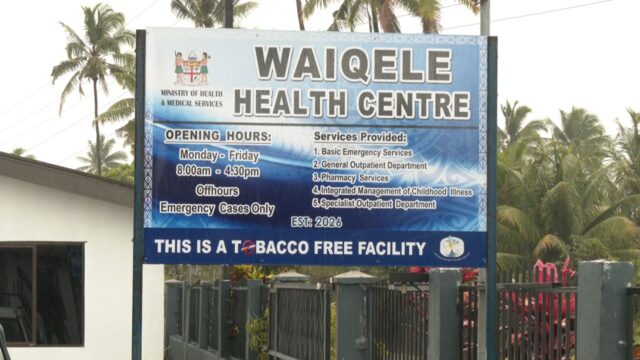
Professor Shameem said people in rural and maritime areas should not have to travel long distances for basic health services that could be delivered locally.
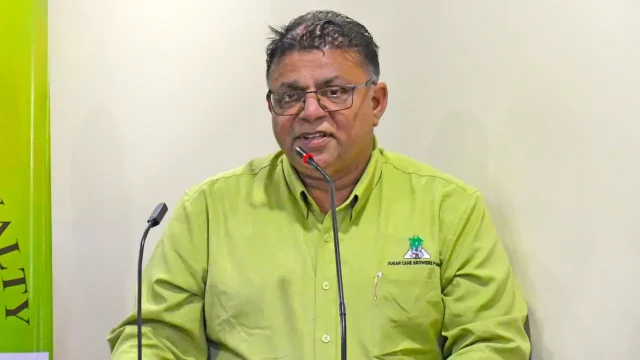
Opposition MP Praveen Kumar questioned the Health Ministry on where the purpose of the bill was clearly defined.
Health Ministry National WASH Coordinator Toga Vosataki said the intention of the bill was understood to be the protection of public health.
But Professor Shameem said intentions are not enough, the purpose must be written into law so the public understands its rights and protections.
She warned that without a clear direction, Fiji risks passing a law that does not respond to the realities facing communities today.