 Riya Mala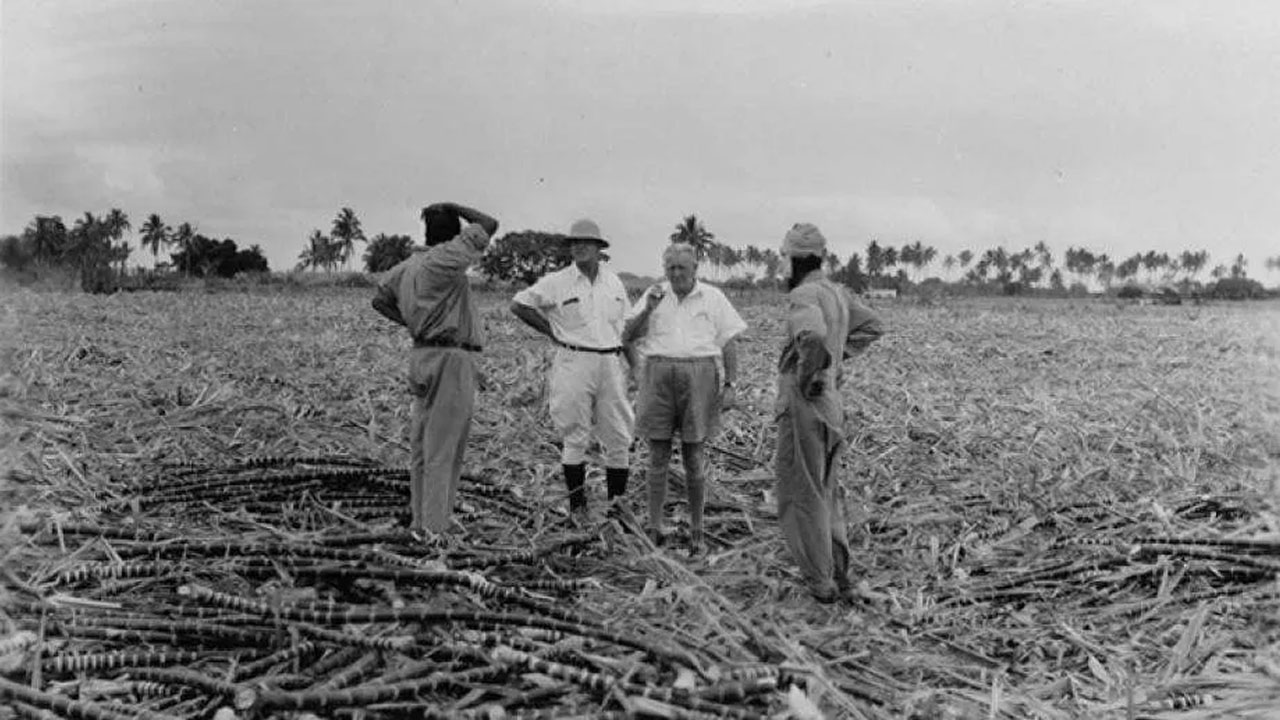
Girmit identity should be formally understood and protected within international minority rights frameworks, particularly in areas of culture, language, and legal recognition, says University of Fiji Vice-Chancellor Shaista Shameem.
Professor Shameem says the legacy of Girmit is not only historical but also a living identity that continues to shape the cultural and social experiences of descendants in Fiji.
She argues that Girmit descendants, as a minority group, fall within the scope of the United Nations Minority Rights framework, which obligates states to protect and promote culture, language, and heritage.
Shameem says preserving language and cultural identity is central to ensuring that Girmit history is not erased or reduced to a once-a-year commemoration.
“And this is something now that as a lawyer myself, but also as a sociologist, and a person who looks at history as living history, not as something that’s dead and in the past, I think we look at ourselves as fitting into the rights of minorities, and that is a UN declaration, which means every state in the world, including Fiji, has acceded to that, and has to comply in accordance with its principle.”
She stresses that education systems must reflect Girmit history in a meaningful way so that younger generations understand their heritage beyond surface-level narratives.
According to her, legal recognition is also critical, particularly in strengthening cultural protection and ensuring equal space for minority identities in national development.
Professor Shameem says Girmit history should not be viewed only through the lens of suffering, but as a continuing story of identity, rights, and survival that fits within modern human rights discussions.
She adds that the challenge now is ensuring that minority rights principles are actively applied so Girmit descendants can preserve their language, culture, and historical identity for future generations.
The call places Girmit not only in the space of remembrance, but also in the broader debate of legal recognition and human rights protection within Fiji’s multicultural society.