 Ritika Pratap
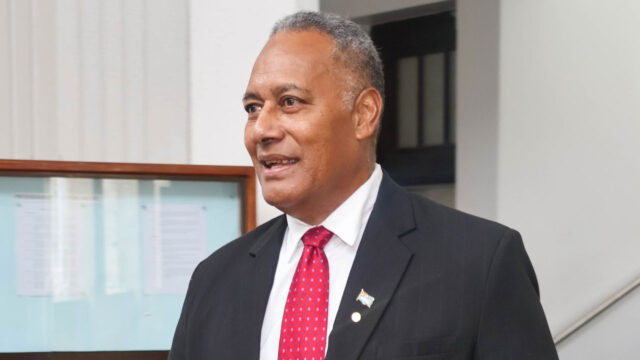
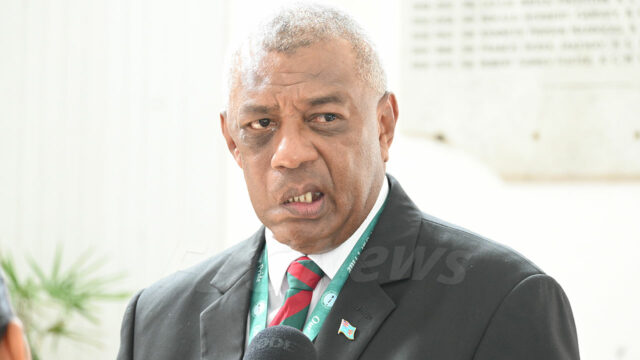
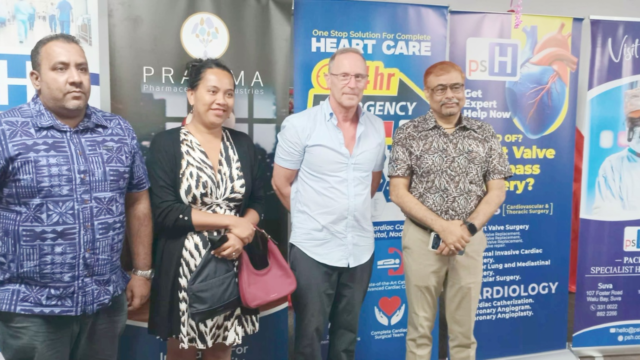
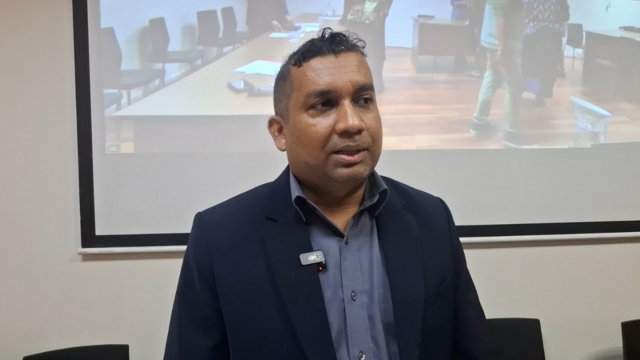
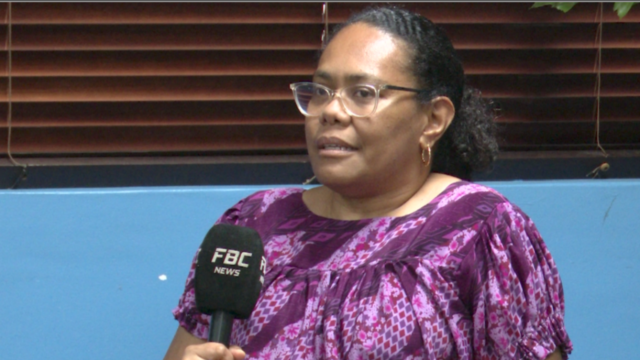
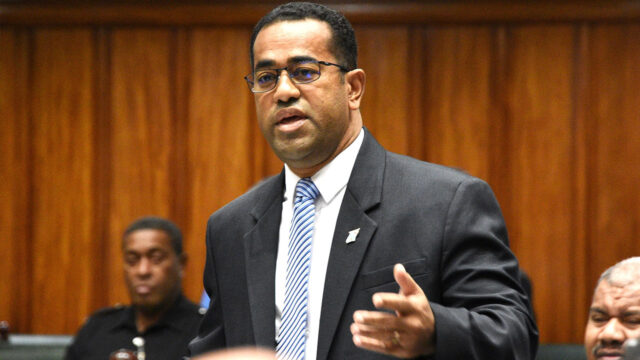
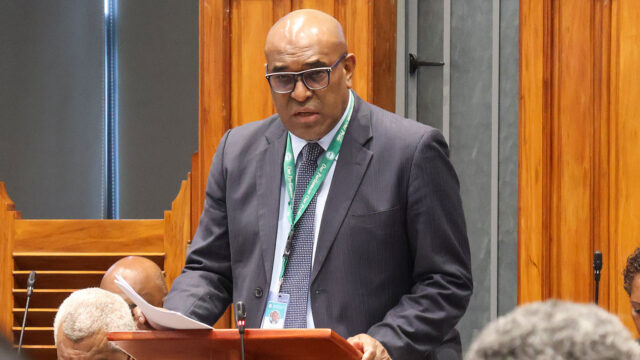
Fiji has surpassed the 1:1,000 doctor-to-patient ratio and cannot afford to train doctors beyond its needs, says Fiji Medical Association Acting President Dr. Ronal Kumar.
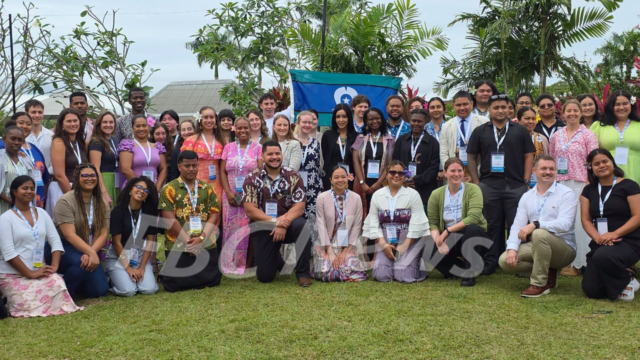
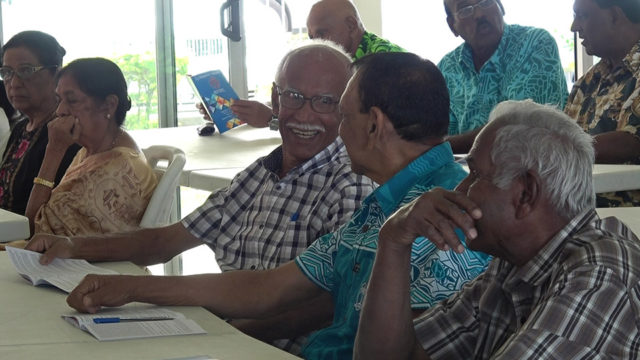
Speaking at the FMA Central Mini Conference, Dr. Kumar urged a focus on responsible training, noting that Fiji is producing more doctors than the system can employ in the near future.
He highlighted that mass production compromises the quality of medical education.
While MBBS programs are lucrative for universities, he questioned the ethics of maintaining classes of 80–100 students despite a lack of quality educators and hospital training spots.
“Do we have enough quality educators at all the Medical Schools who are involved in focusing on skill development for the career? Do we have enough spots for Medical students to ensure adequate exposure in our hospitals? We all know that the answer is no, but we are continuing to have 80-100 students in a class.”
Dr. Kumar also questioned whether specialist pathways provide adequate exposure, given the challenges at Fiji’s largest training hospital.
He noted that young doctors enter the profession facing uncertainty, fatigue, financial pressure, and workforce shortages.
Each year, approximately 150 to 200 students graduate from local universities, alongside overseas-trained graduates returning to fulfill service bonds.
Dr. Kumar stressed that many graduates carry financial obligations between $150,000 and $180,000.
“If we are to strengthen healthcare in Fiji, we must also strengthen the environment in which our future doctors are trained, supported, and retained. I call upon the Ministry of Health, the Higher Education Commission, and both the Medical universities to look at how we run our medical school curriculum.”
Dr. Kumar concluded that medical schools currently do little to focus on clinical skills or knowledge depth before graduates enter the workforce.