 Litia Cava
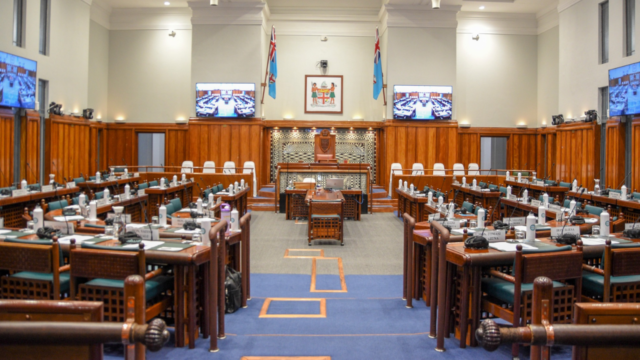
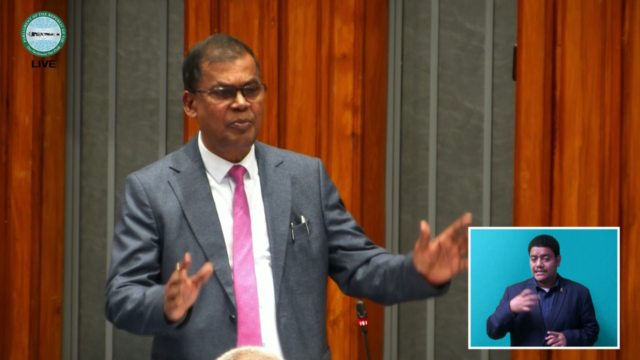
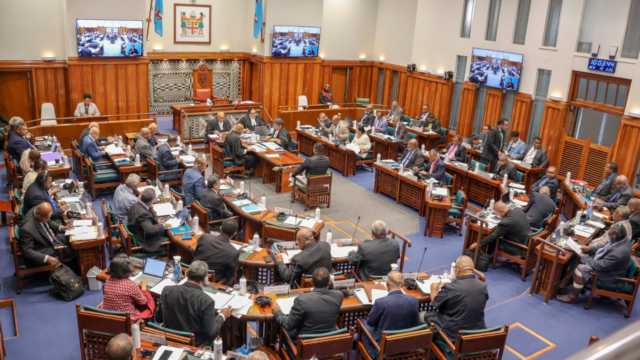
Fiji’s long-running fight over labour rights is approaching a critical stage as Parliament prepares to debate the Employment Relations Amendment Bill later this month.
Speaking at the 51st Fiji Trades Union Congress delegates conference, International Trade Union Confederation – Asia Pacific General Secretary Shoya Yoshida said the proposed law would test Fiji’s commitment to protecting workers’ rights and meeting international labour standards.
Yoshida said trade unions had waited years for the reforms and described the bill as more than a legal amendment, saying it carried major significance for workers across the country.
“The ILO can adopt conclusions, recommendations, or even resolutions under Article 33 but they only become meaningful when trade unions, we use them through sustained struggle and solidarity, which today stand as an important example of this reality.”
However, Yoshida warned that passing the bill would not end the struggle. He said the greater challenge would be ensuring workers’ rights were protected in workplaces across the country through continued cooperation between government, employers and unions, supported by strong and independent trade unions.
Meanwhile, International Trade Union Confederation Global Organizing Coordinator Carol Beaumont. Carol Beaumont warned that workers’ rights and democracy were facing increasing pressure globally as wealth and power became concentrated in the hands of a few.
“Because trade unions and democracy go together. You cannot have one without the other. That is why the ITUC is calling on unions everywhere to fight for democracy, so that democracy delivers for working people.”
Beaumont said inequality was rising while workers’ protections were being weakened worldwide. She argued that unions were often the first targets when democracy came under attack but remained one of the strongest forces of resistance.
Beaumont called for fair wages, decent work, stronger collective bargaining and universal social protection, saying economic development and digital transformation should benefit ordinary people rather than only corporations and billionaires.