 Litia Cava
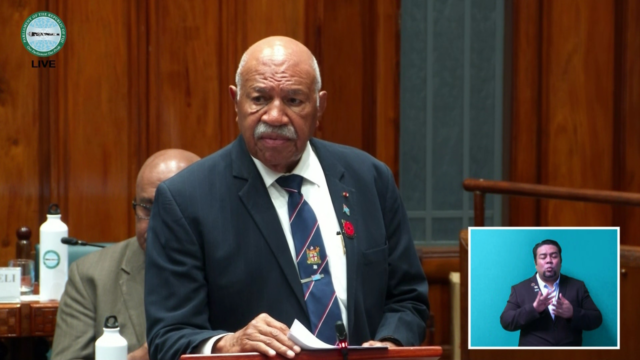
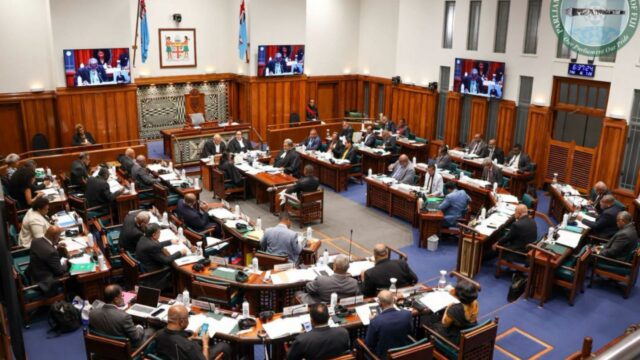
Concerns over rogue landlords and unsafe rental practices in informal settlements were raised during parliamentary scrutiny of the Consumer Council’s annual reports for 2020–2021 and 2023–2024.
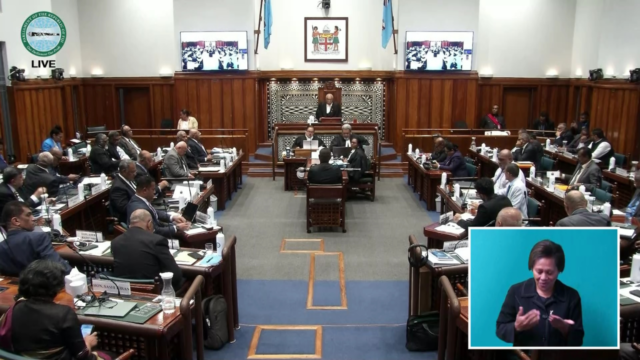
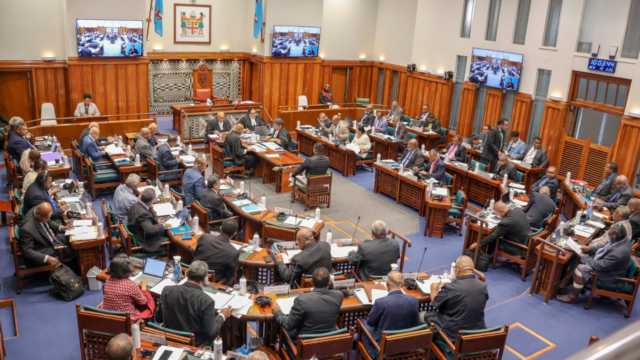
The matter was examined before the Standing Committee on Social Affairs.
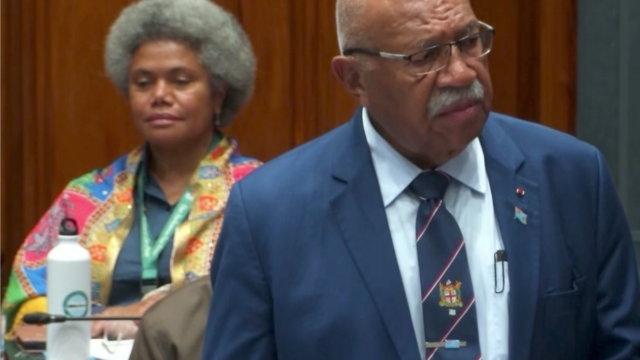
Independent MP Alipate Tuicolo questioned whether the Consumer Council handles complaints from tenants in informal settlements, amid rising reports of unethical rental practices.
The Council confirmed it receives such complaints but says renting in informal settlements remains unlawful where proper land approvals are not in place.
Tuicolo also asked whether the Council maintains a public list of approved landlords or suppliers to help protect consumers.
Consumer Council CEO Seema Shandil said no such list exists, but a consumer database is being explored. The proposed system would provide information on goods, services and prices.
“But for landlord and tenancy, we did a paper, a submission previously to Real B, where we were asking them to create a one-stop shop for consumers and have a list of all the landlords who are providing properties on rent and what amount of rent.”
Shandil said the Council had previously made submissions proposing a “one-stop shop” system for consumers, which could include a list of landlords offering rental properties and the rental charges involved.
She said most complaints received relate to squatter settlements and informal housing areas. She added that renting is not illegal where proper land approvals exist.
The issue was also raised by Opposition MP Praveen Kumar, who questioned rental arrangements under iTaukei Land Trust Board consent.
Council Manager for Alternative Dispute Resolution and Consumer Advisory Neha Ali said TLTB consent may allow occupation but often comes with conditions that prohibit sub-leasing or renting.
She said many informal settlements operate outside formal lease systems, creating legal gaps that complicate enforcement and eviction processes.
The Council maintains that renting is not illegal where proper approvals exist, but says most complaints continue to come from unregulated settlements where tenant protections remain weak.