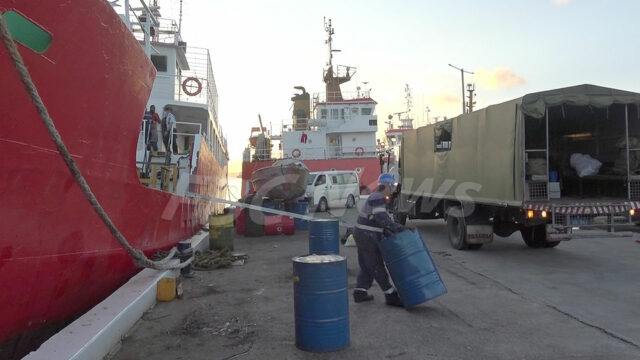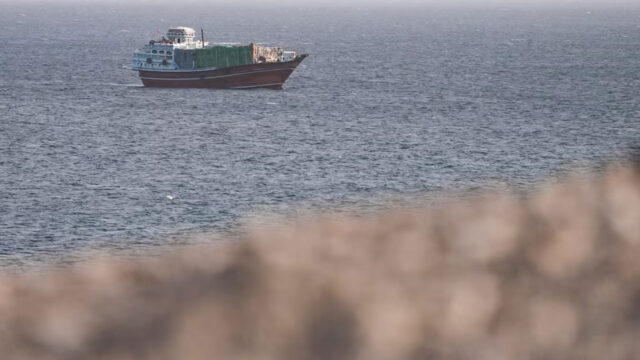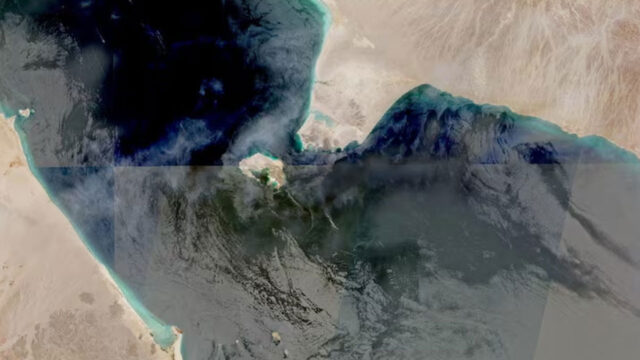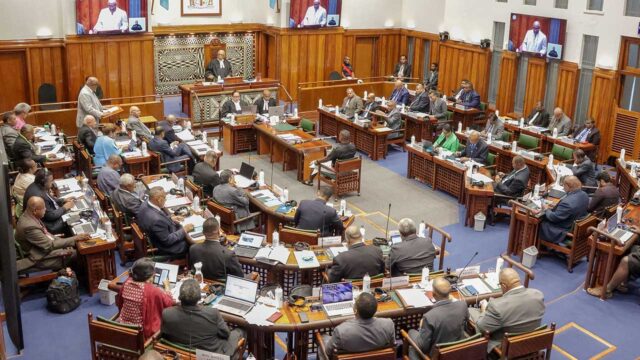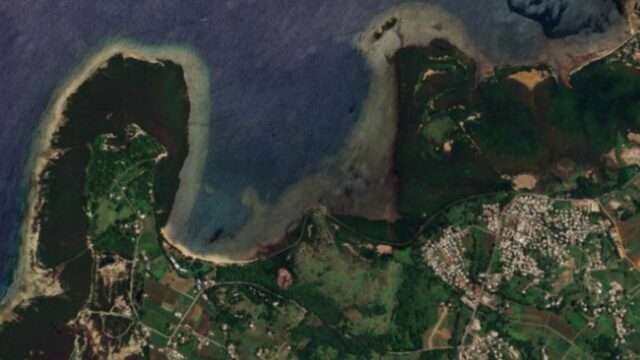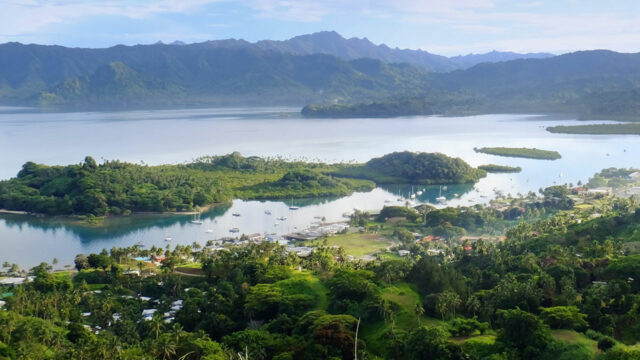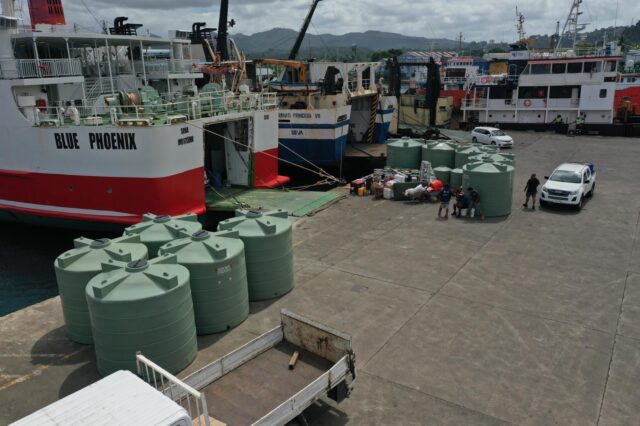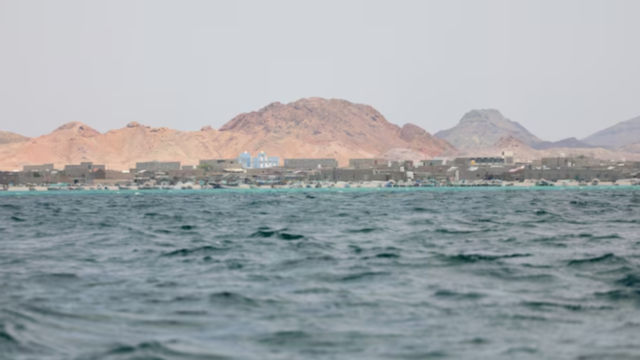
Australia and Pacific nations have ramped up efforts to clamp down on illegal fishing in the region.b [Photo Credit: AAP News]
The interception of a Chinese vessel accused of illegal fishing highlights the technical lengths many use to remain undetected across millions of square kilometres of open ocean.
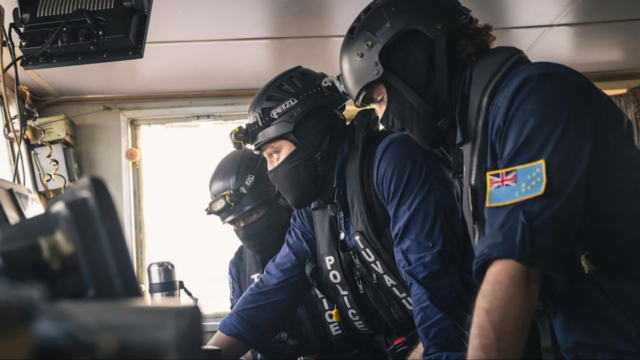
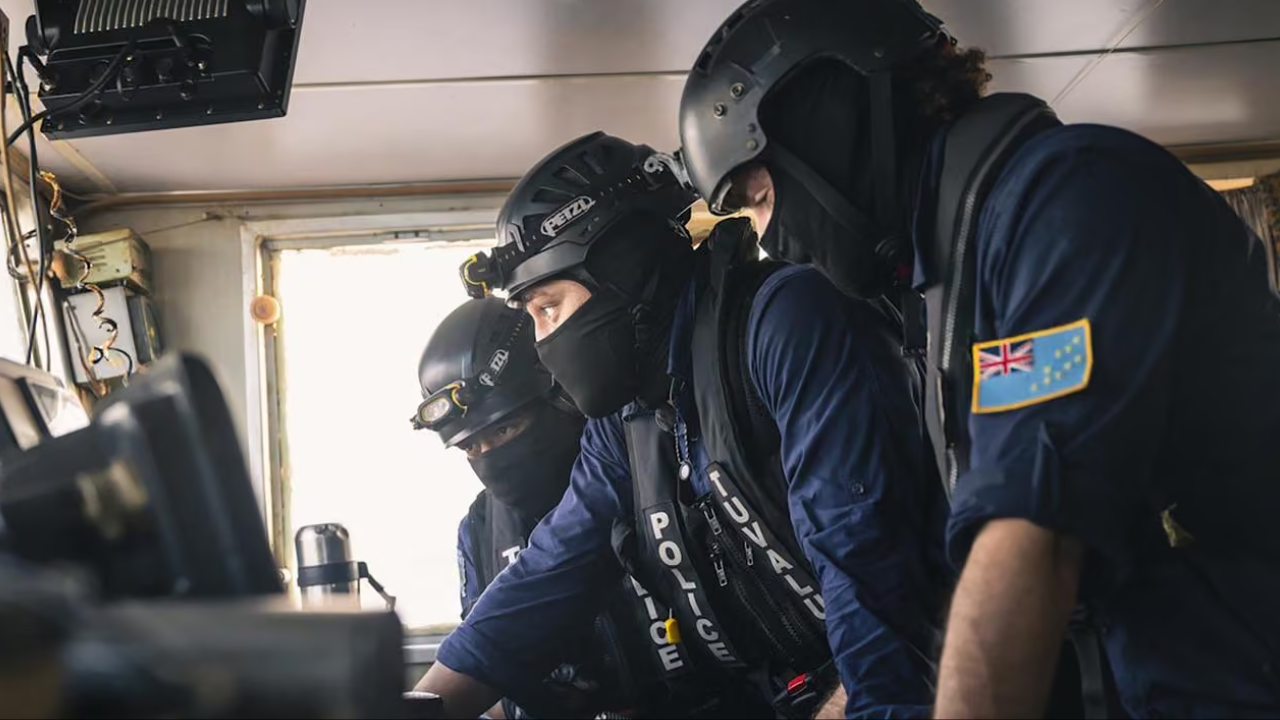
Tuvalu Police operating on a Sea Shepard patrol boat boarded and arrested a Chinese longliner, the Lu Rong Yuan Yu 138, on July 9 for allegedly illegally operating within the small South Pacific nation’s waters.
The vessel was allegedly running with its navigation light turned off and transmitting false data showing it to be in different area – an increasingly common practice known as “spoofing”.
After boarding the ship, officers found it did not hold a valid permit to fish the area, detaining the vessel and escorting it to the Port of Funafuti for further investigation.
Sea Shepherd Australia chair Peter Hammarstedt said illegal fishers were increasingly “going dark” by switching off their automatic identification systems, or using them to broadcast false information.
“It’s very common practice, especially in the Pacific Ocean, for Chinese fishing vessels to transmit false positions,” Mr Hammarstedt told AAP.
“If you go onto some vessel tracking software websites, you’ll see some Chinese fishing vessels appear on land, like in the Mongolian desert, for example.
“Obviously the fishing vessel isn’t there, but is operating elsewhere and simply inputting false data to mislead investigators.”
In the case of the Lu Rong Yuan Yu 138, it was allegedly transmitting a location that put it squarely on the equator at 0 degrees, raising the suspicions of investigators.
Sea Shepherd has partnered with Tuvalu Police for the past two years, since the nation’s only operational patrol boat was damaged in a cyclone.
The small island nation monitors a marine domain covering roughly 750,000 sq km, with limited assets to keep an eye on such a large area, meaning most illegal fishing operations go undetected.
“The fishing vessels that do this kind of behaviour operate under the expectation that they’re just not going to get caught,” Mr Hammarstedt said.
Australia and Pacific nations have recently ramped up efforts to clamp down on illegal fishing under the Pacific Islands Forum Fisheries Agency Fishing Authorisation.
“The Tuvaluans live by the sea, with the sea, and have done so for hundreds and hundreds of years,” Mr Hammarstedt said.
“When I see illegal fishing on an industrial scale happening in the Tuvaluan waters, I see this as theft from the Tuvaluans.”