 Litia Cava

Higher fines will apply for breaches of public health laws, with penalties of up to $10,000 for specified offences.
Certain nuisance offences will carry fines of up to $1,000, while deliberate disobedience of infectious disease control orders will attract the higher penalty.
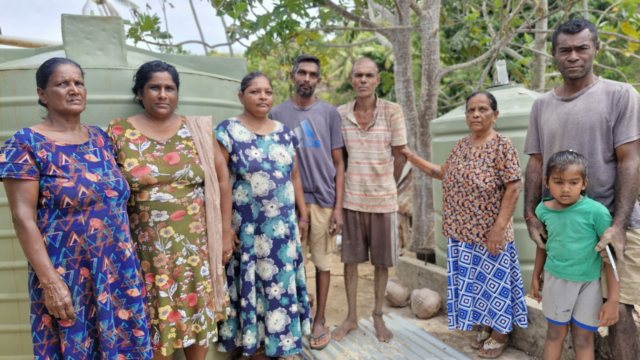
The removal of the village exemption in the 1935 Public Health Act will bring iTaukei villages, rural communities and settlements under the same public health laws.
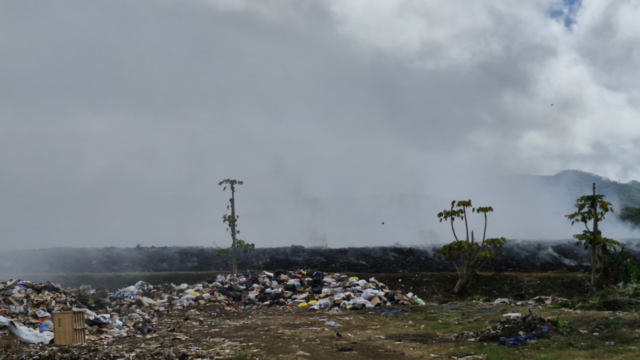
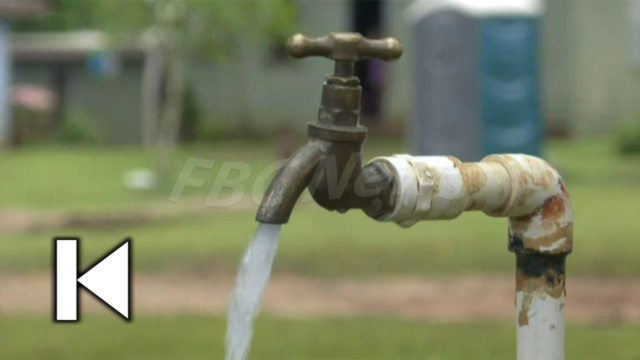
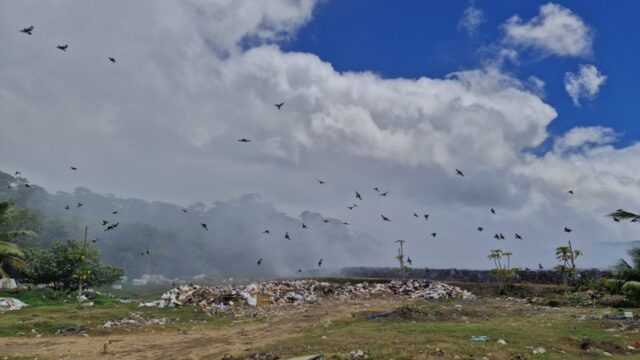
Health authorities will have wider powers to address unsafe drinking water, poor sanitation, pollution and waste management.
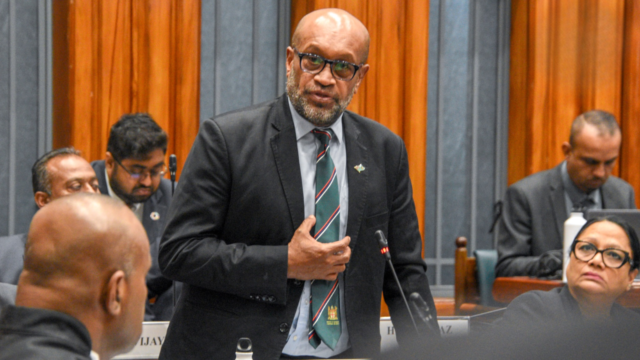
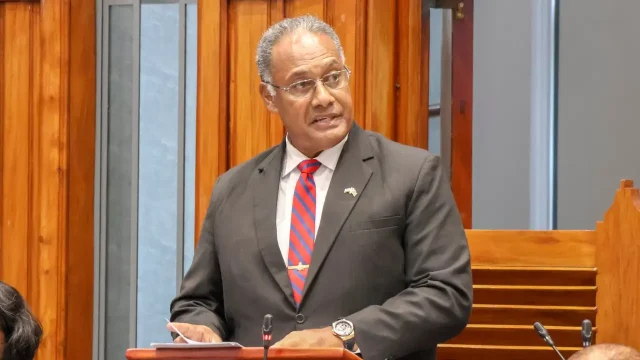
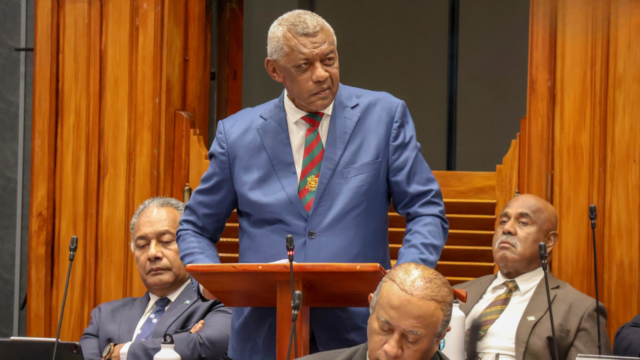
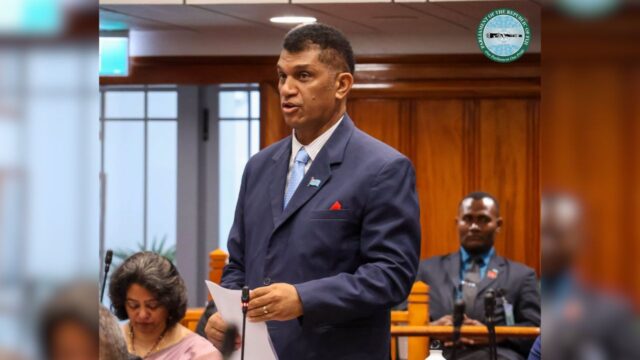
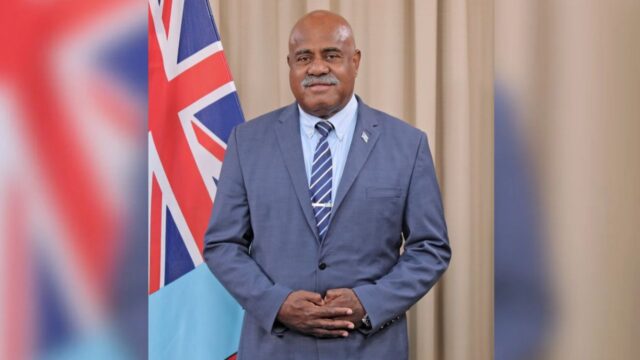
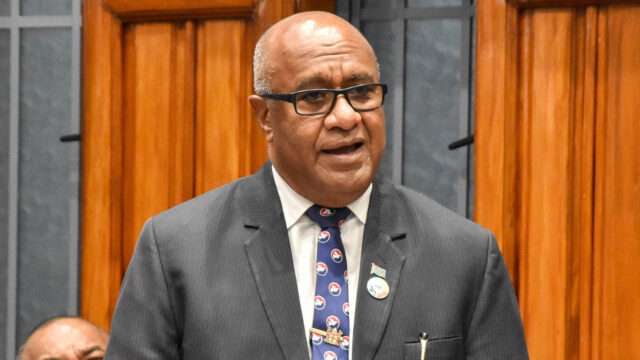
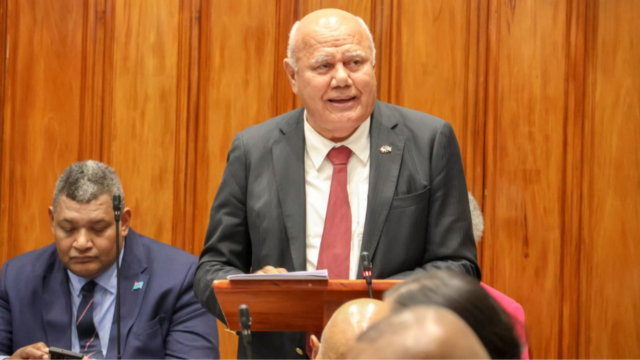
Health Minister Dr Atonio Lalabalavu points out that the current exemption reflects administrative arrangements introduced more than 90 years ago and no longer meets Fiji’s public health needs.
He says disease and environmental health risks do not stop at community or geographical boundaries, and every Fijian should receive the same protection under the law.
The amendments introduce new safeguards for drinking water, including routine sampling, contamination monitoring and protection of wells and boreholes. Sanitary facilities must be kept at least 50 metres from wells or boreholes to reduce contamination risks.
Authorities will also have the power to restrict access to contaminated water sources, arrange alternative safe supplies and require corrective action where water poses a health risk.
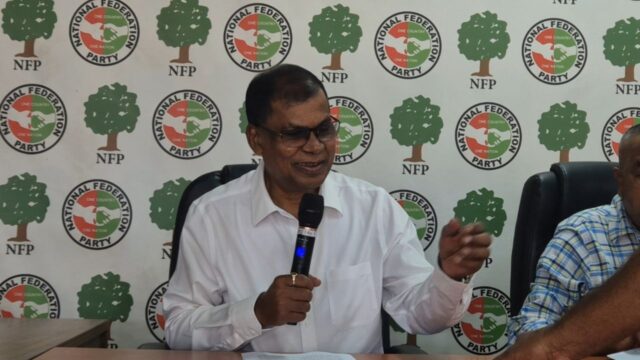
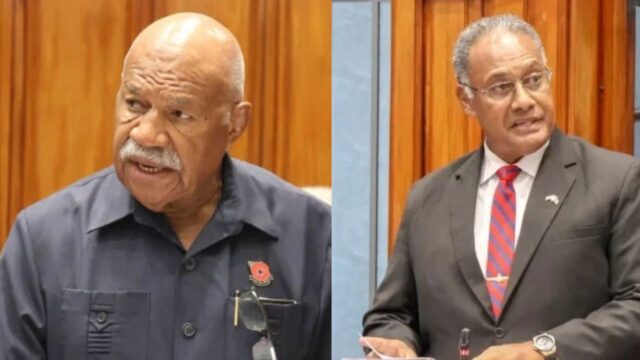
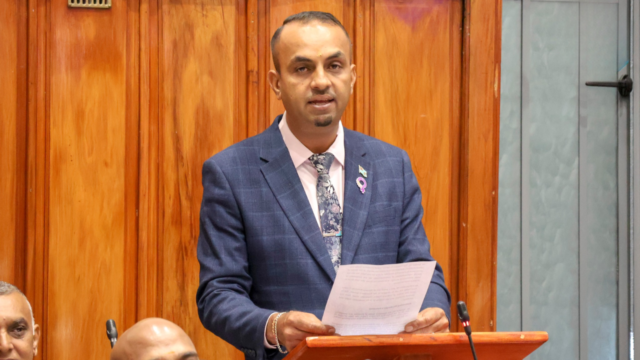
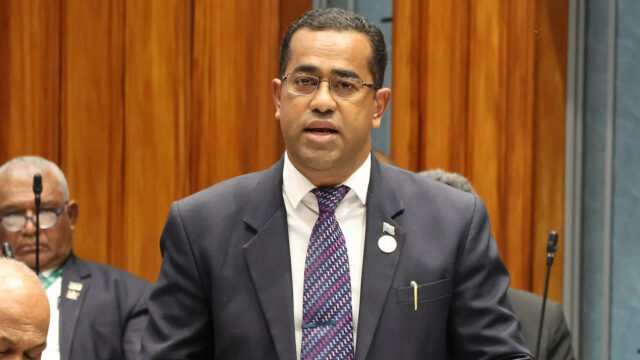
However, Opposition MP Jone Usamate says extending the law to villages must come with practical support for communities that lack proper drainage, sanitation, reliable water supplies and waste collection.
He says enforcement cannot solve infrastructure problems, and Government must distinguish between deliberate breaches and families unable to meet the standards because of limited resources.
Usamate also questions what assistance or compensation will be available to people who suffer serious harm from contaminated drinking water when the source or responsible party cannot be identified. Referring to the 2023 diarrhoeal outbreak in Nukuloa and surrounding communities in Ba, he says the law must clearly set out who is responsible for water testing, investigations, public warnings and emergency supplies.
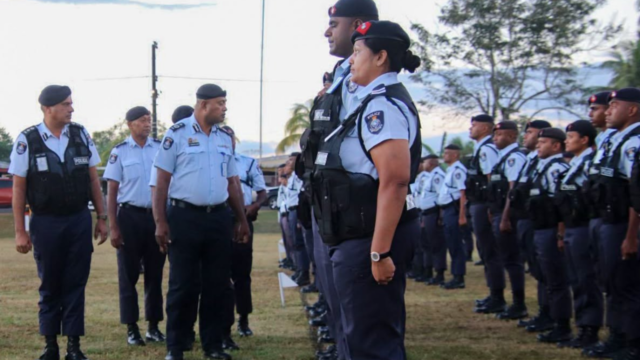
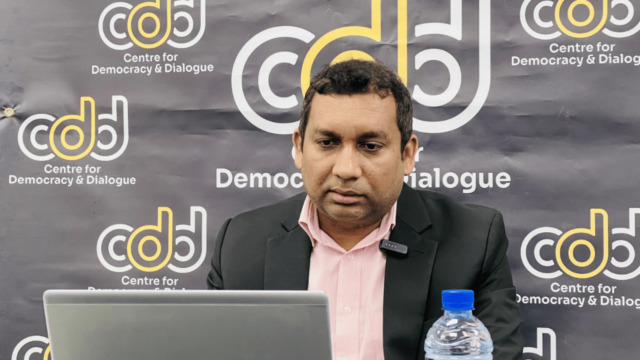
Opposition Leader Inia Seruiratu raised a separate concern over enforcement, saying public health rules have historically been applied more strictly in urban and peri-urban areas than in rural communities.
He said the new requirements would only work if authorities have the resources and technical capacity to enforce them consistently.
Standing Committee on Social Affairs Chair Iliesa Vanawalu states the Ministry has assured Parliament that a nationwide public awareness program will run for more than a year before the changes are implemented.
The Bill also strengthens the Central Board of Health, introduces registration requirements for environmental health practitioners and improves preparedness for infectious disease outbreaks.
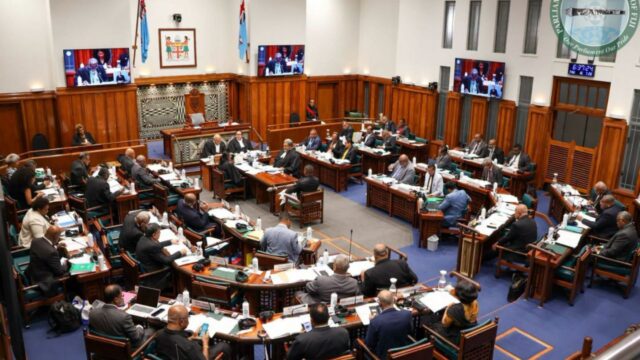
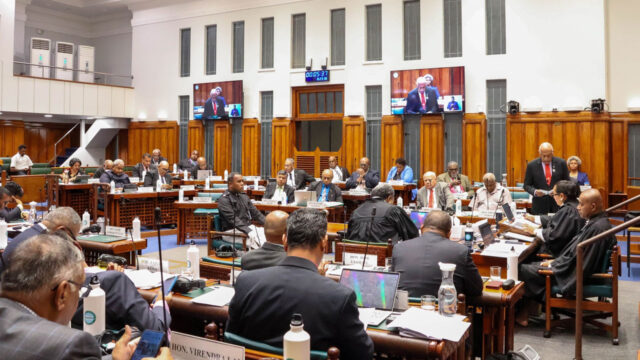
Parliament passed the Bill unanimously.