 Josefa Sigavolavola
[Photo: File]
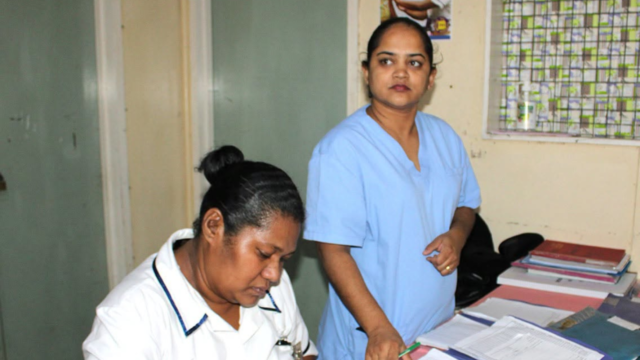
Teacher stress is becoming a major challenge across Pacific education systems, with regional education leaders warning that it is affecting the quality of classroom learning.
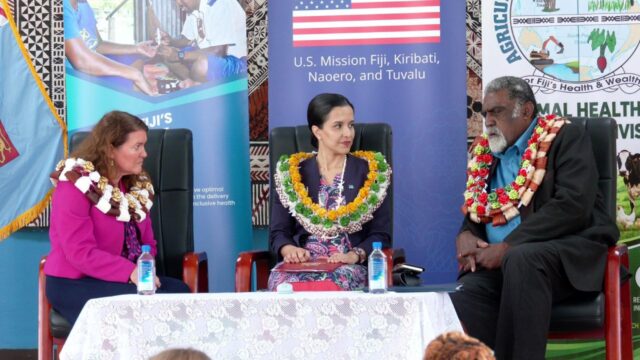
The issue was highlighted during the launch of the Pacific Islands Literacy and Numeracy Assessment (PILNA) 2025 Regional Report in Suva yesterday.
The report found that teachers are facing increasing pressures from heavy workloads, staffing shortages, absenteeism and limited learning resources, factors that influence
overall student achievement.
PILNA findings indicate that teacher wellbeing can no longer be viewed simply as a workforce issue, but as a critical factor influencing learning outcomes.
Deputy Director of SPC’s Educational Quality and Assessment Programme (EQAP), Seci Waqabaca, said student achievement is shaped by a wide range of factors within the education
system.
“Learning does not happen in isolation, but it happens within a system, and that system includes the learner, the teacher, the schoolteacher, the curriculum, learning
resources, attendance, well-being, family, and caregiver support in the wider community.”
The report also highlighted broader challenges affecting students, including hunger, tiredness, bullying and emotional wellbeing, all of which place additional demands on
educators and schools.
Waqabaca stressed that improving learning outcomes requires greater attention to the wellbeing of teachers and school leaders.
“For me, this is where the conversation must move on. Learning improvement depends on the people who deliver learning. High levels of teacher and school leader stress are not
simply workforce issues. They are system conditions that education policy must address.”
The Pacific Community is now calling for targeted policies to strengthen teacher support, improve school resources and create healthier learning environments across the region.
Team Leader for Large Scale Assessments at SPC, Torika Taoi, said the findings should be used to drive meaningful action.
“We recognize the importance of this assessment results not merely as a measure of performance but as a catalyst for improvement and action.”
The PILNA 2025 assessment covered 50 education systems across Melanesia, Micronesia and Polynesia, involving approximately 41,000 learners.