 Bose Vavataga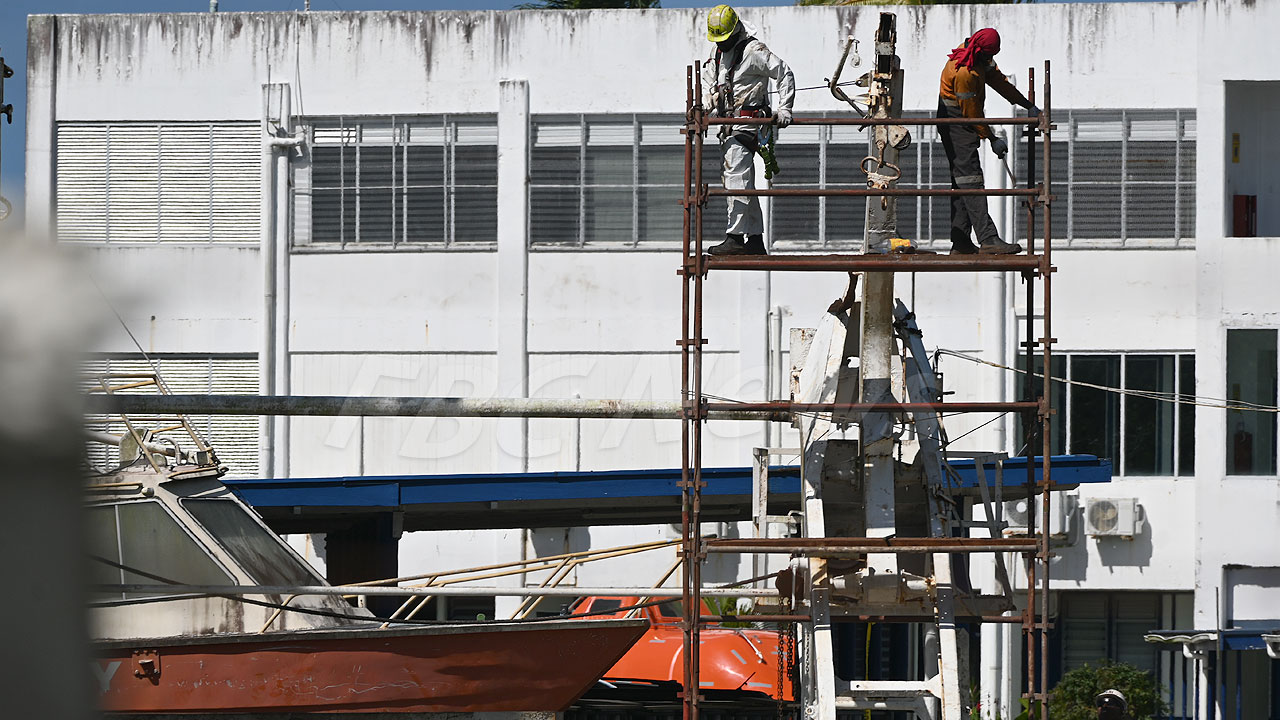
Workers’ rights are facing growing pressure as global systems, technology, and labour shortages continue to reshape the world of work.
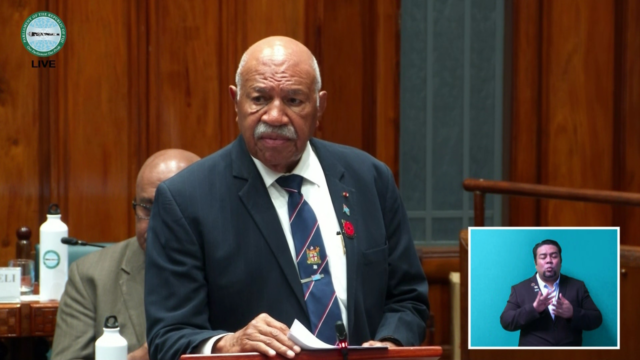
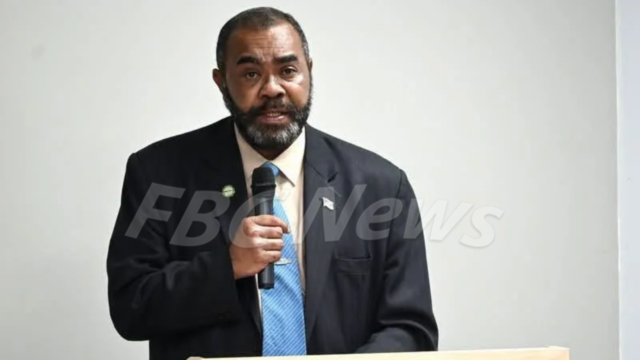
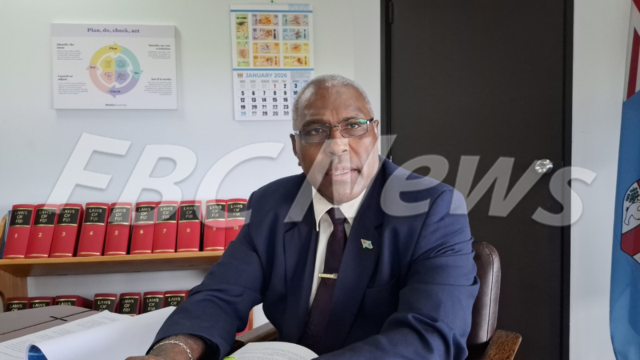
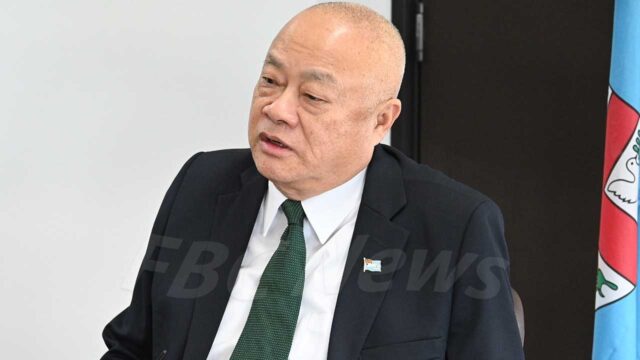
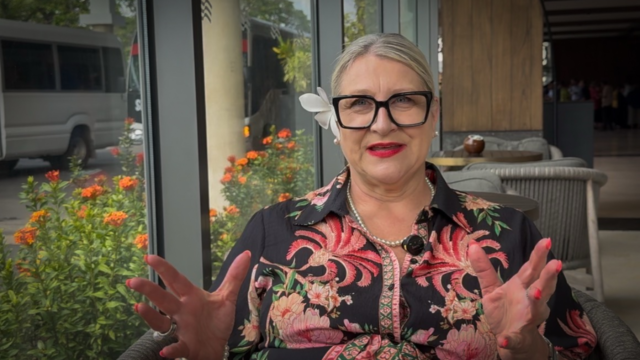
This, according to International Labour Organization Director Martin Wandera.
He said workers’ protections in Fiji and the wider region are under increasing strain due to rapid technological change, migration pressures, and global instability, which are challenging long-standing labour standards.
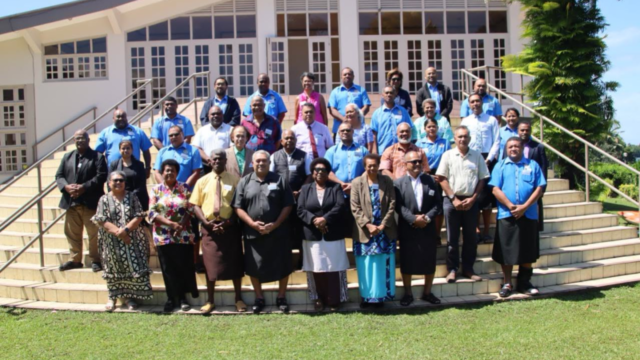
Addressing participants at the 51st Fiji Trades Union Congress Delegates Conference, Wandera warned that the “rules-based international order” is under serious stress, saying systems built after the Second World War are now being tested.
“FTUC has a voice in shaping that standard and I urge you to engage. I want to say something openly. The trade union movement is right to demand rights. These rights are non-negotiable and the ILO will always defend them. But rights come with obligations. Workers have a duty to work, contribute and be productive.”
He said this was no longer an abstract issue, but a real concern for workers, highlighting the rise of platform work such as ride-hailing and food delivery services, where many workers have no contracts, no social protection, and no right to organise.
Wandera confirmed that a new international labour standard on platform work will be discussed at the 114th International Labour Conference in June 2026, urging the FTUC to actively engage in the process.
He stressed that core labour rights remain non-negotiable, including the eight-hour work day, maternity leave, safe workplaces, and fair dismissal processes, adding that these rights were won through decades of struggle by workers and unions.
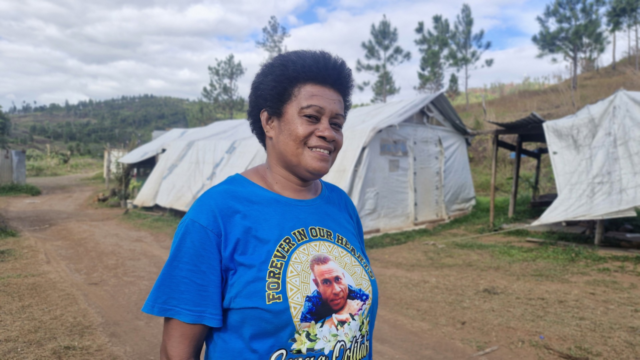
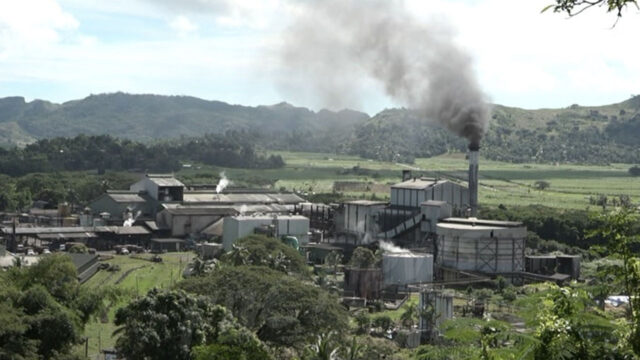
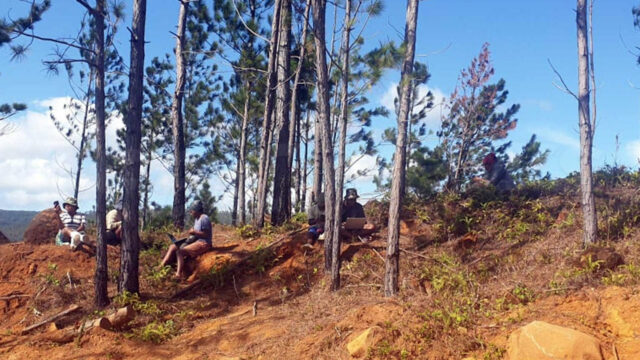
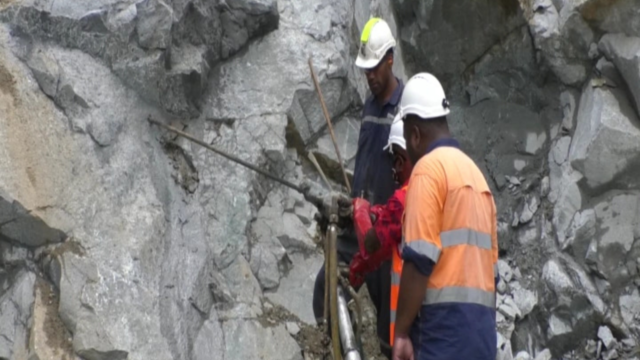
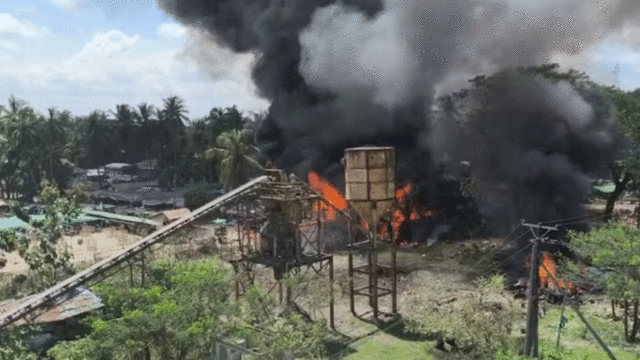
A key focus of his address was the Vatukoula gold mine dispute, which he said remains one of Fiji’s most important labour struggles.
The ILO, he states, will work with the FTUC to document such struggles, saying preserving this history will protect institutional memory and inspire future workers.
Wandera also welcomed recent legal reforms in Fiji, including expanded freedom of association for workers in sectors such as telecommunications and public utilities, aligning with ILO Convention No. 87.
He also noted the 2024 minimum wage increase, saying it has made a real difference for low-paid workers.
However, he warned that challenges remain, including ongoing reviews of the Employment Relations Act and efforts to address child labour, forced labour, and workplace harassment.
Wandera said workers’ rights must be matched with responsibilities, stressing the need for productivity amid labour shortages and migration pressures.
He also raised concern about migrant workers in Fiji, saying they must receive fair wages, safe conditions, and access to grievance systems, including the right to join unions.
He urged the FTUC to strengthen its work in this area, adding that the same standards expected for Fijian workers abroad must also apply within Fiji.
Wandera closed by calling on delegates to debate openly and act decisively, reaffirming the ILO’s support for the FTUC and saying social justice remains the foundation of lasting peace.