 Reuters
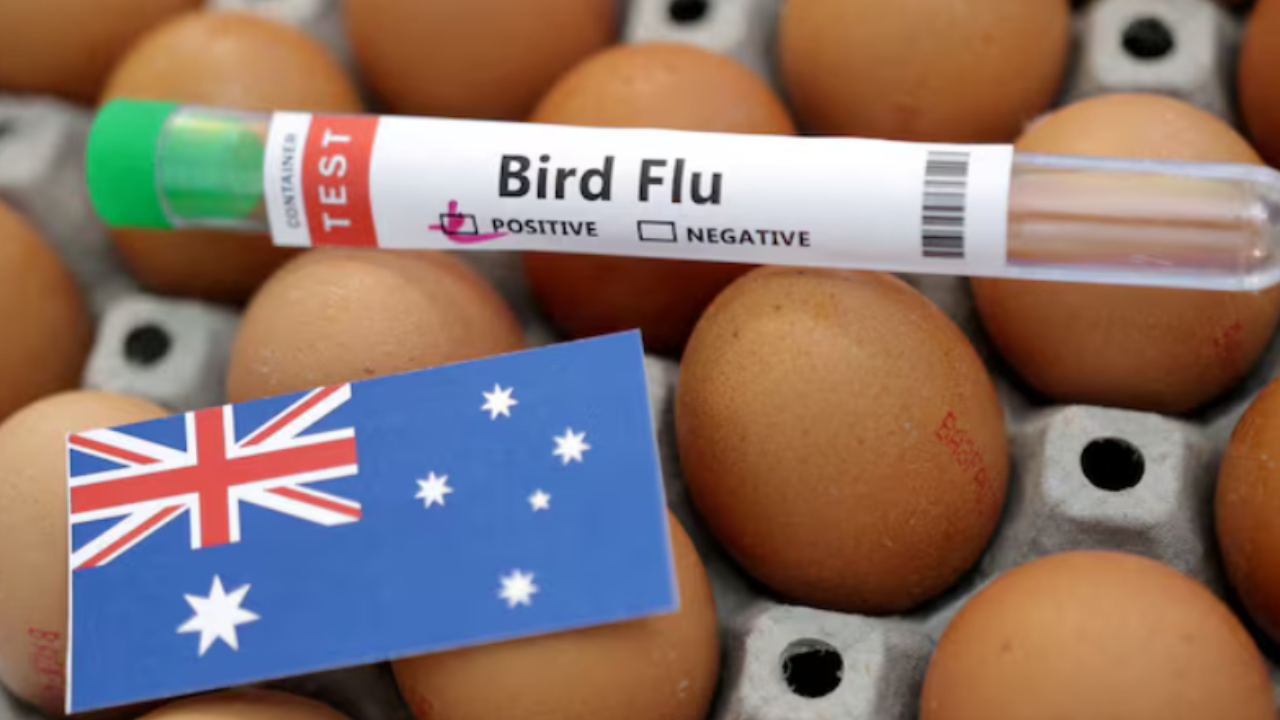
[Photo Credit: Reuters]
Australian authorities ramped up surveillance and testing after confirming two cases of the highly pathogenic H5N1 bird flu, while neighbouring Papua New Guinea suspended all poultry imports from the country.
Tests are underway in South Australia after two dead sub-Antarctic seabirds and a pelican were found on Monday near Fowlers Bay, more than 1,200 km (746 miles) east of Esperance in Western Australia where the first two confirmed cases were reported, according to the Australian Broadcasting Corporation.
South Australia state Primary Industries Minister Claire Scriven told ABC Radio it could be several days before results from the bird samples are available.
A South Australia Primary Industries Department spokesperson said there were no confirmed bird flu cases in the state, but it will investigate any reports of sick or dead birds and will alert the public if a positive case is found.
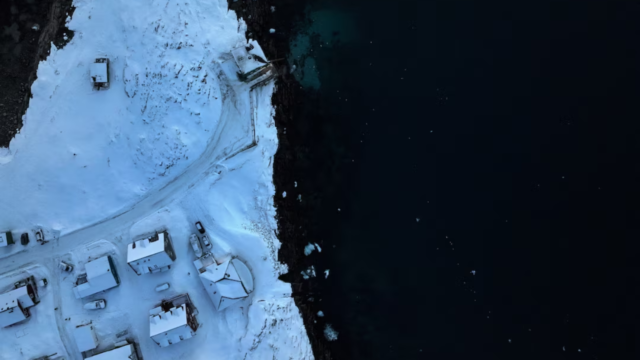
Ground-based surveillance and drone surveys are being carried out at sea lion breeding sites along South Australia’s west and far west coasts, while testing frequency has been increased in high-risk areas.
Two more birds are being tested in Western Australia, far from the initial cases, but authorities said there was no evidence of a wider spread, the ABC reported. A total of 11 samples have been sent for testing in Western Australia from 94 reports of dead or unwell birds over the past three days, the report added.
The confirmed cases have prompted neighbouring Papua New Guinea to ban poultry meat and product imports from Australia, the Department of Agriculture said on Wednesday.
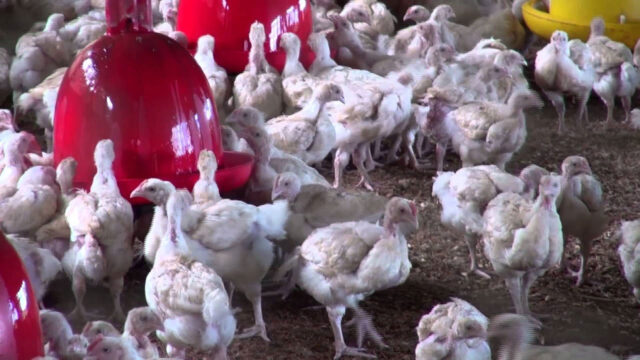
While Australian poultry meat is mainly grown for local consumption, Papua New Guinea is Australia’s largest export market, buying A$44 million ($30.38 million) worth of products in 2023.
The department said the ban was imposed despite the poultry sector remaining free of bird flu, adding that it was “actively engaging with PNG to resolve this issue.”