 Sainiani Boila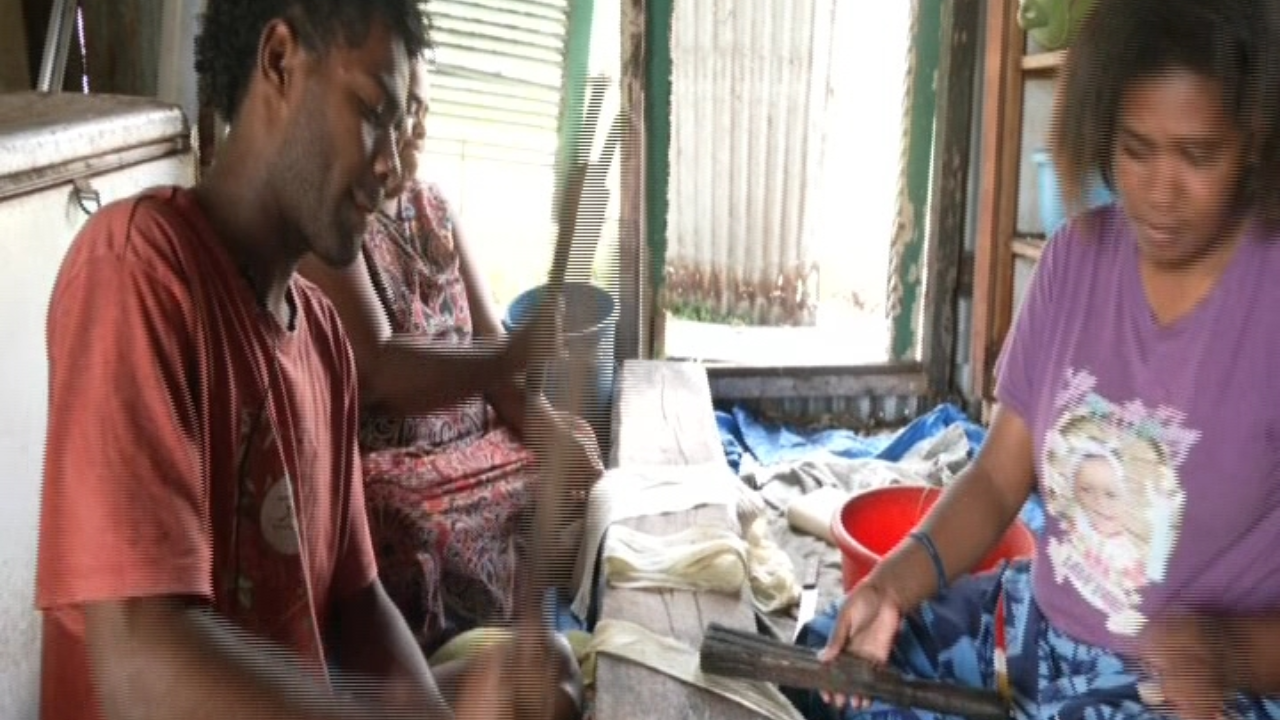
Tapa is produced through a labour-intensive process. [PHOTO:SAINIANI BOILA]
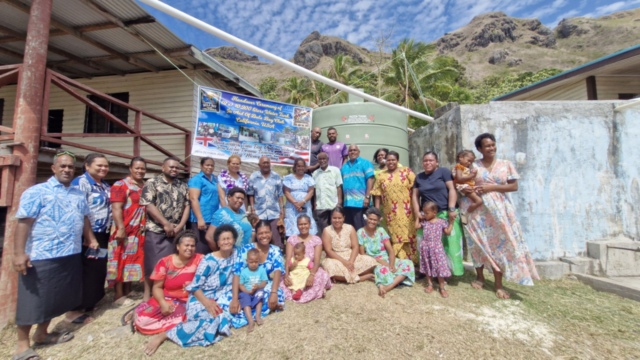
For generations, the traditional art of tapa, or masi making has been more than a cultural practice for the people of Taunovo on Vatulele Island, as it has remained one of the village’s main sources of income.
Made from the softened inner bark of the paper mulberry tree, tapa is produced through a labour-intensive process of soaking and beating the bark before it is decorated with traditional designs using natural dyes.
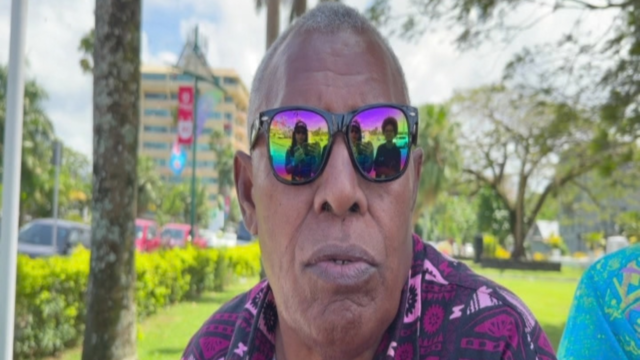
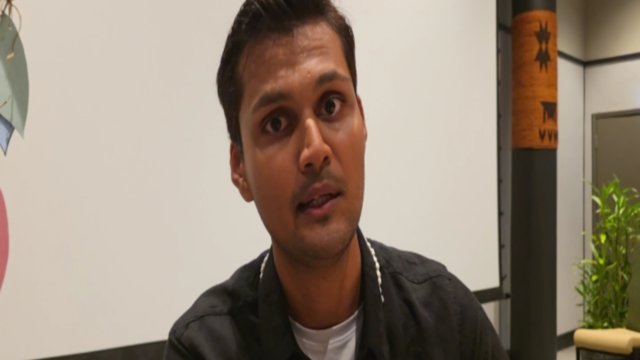
While bark cloth continues to play an important role in weddings, funerals and other traditional ceremonies, Taunovo villager Taniela Ravouvou says it has also become a vital source of income for families on Vatulele Island.
Ravouvou says every family contributes to tapa making to help support their daily living expenses.
“We have regular orders from customers on Viti Levu, while some of the finished products are also sold at flea markets. A plain, unprinted piece of tapa can earn around $80, although prices vary depending on the size and design of each piece.”
Ravouvou says the steady demand for masi has helped many families earn an income while preserving an important part of their cultural heritage.
Despite the challenges of living on a remote island, the people of Taunovo continue to rely on their traditional skills, ensuring that the centuries-old craft of masi making remains both a symbol of their cultural identity and a source of economic resilience.