 Josefa Sigavolavola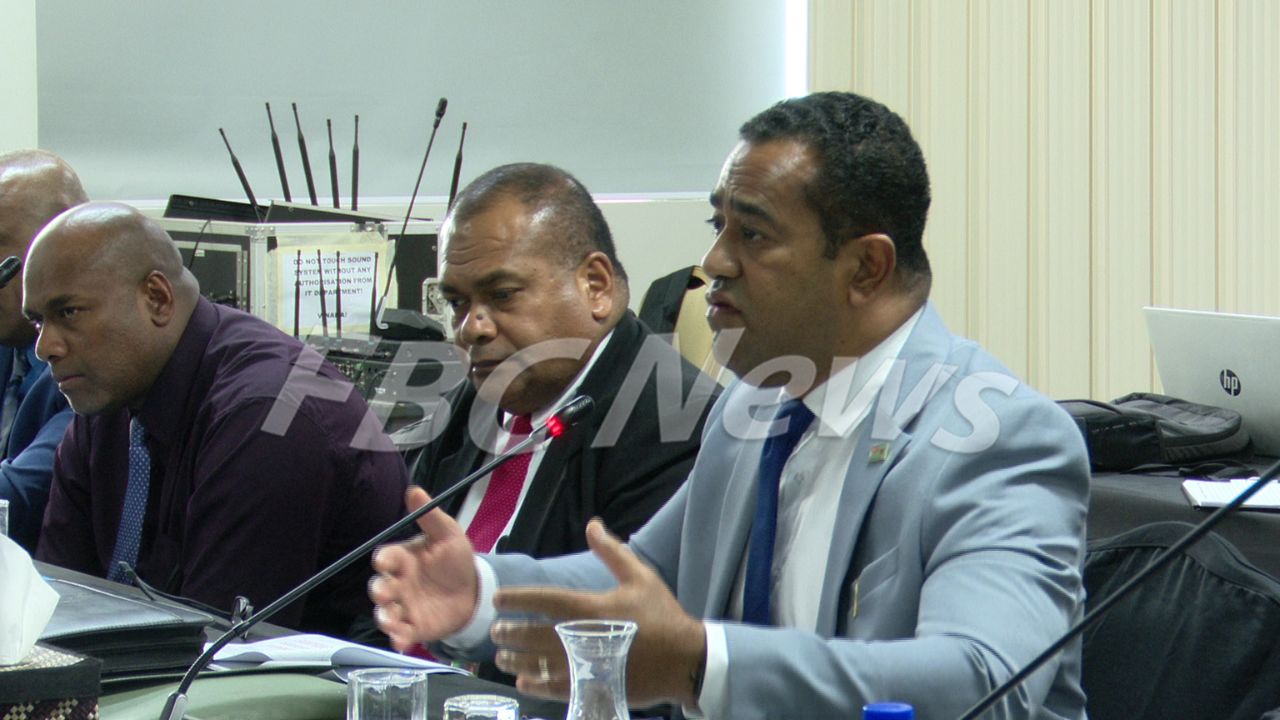
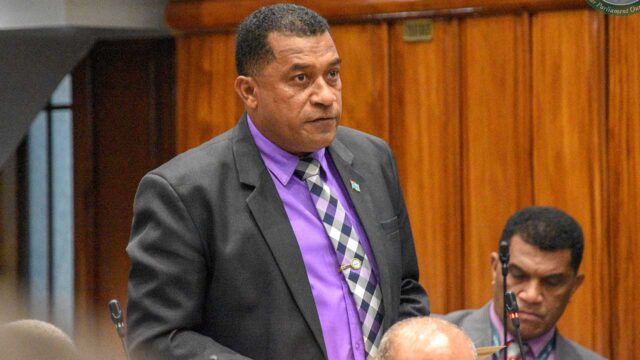
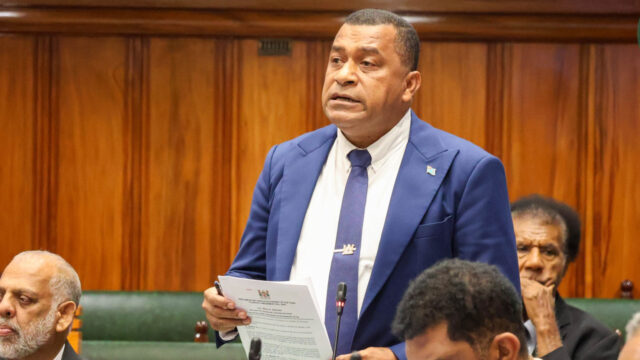
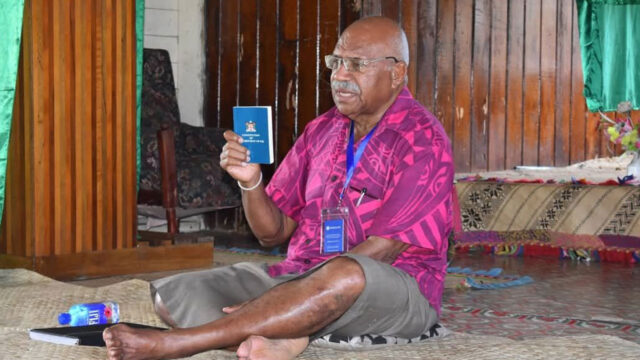
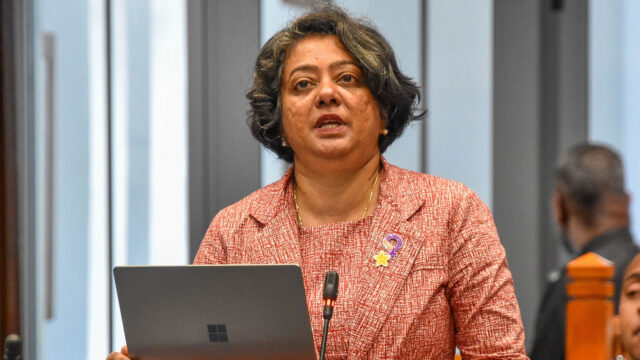
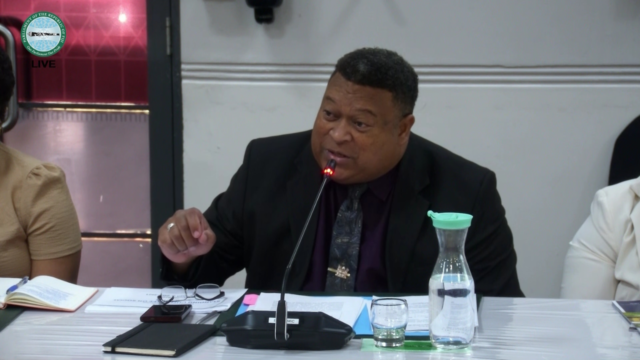
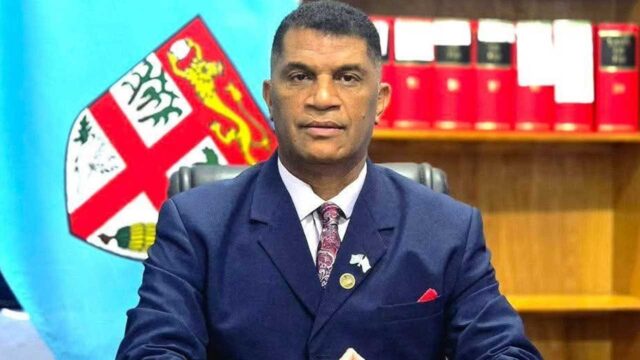
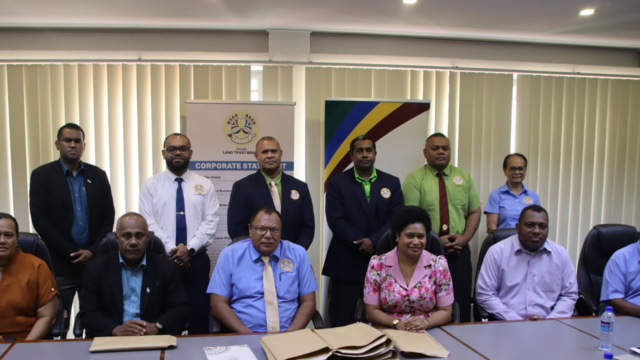
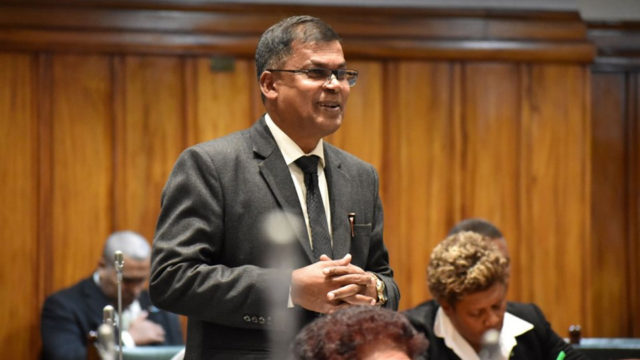
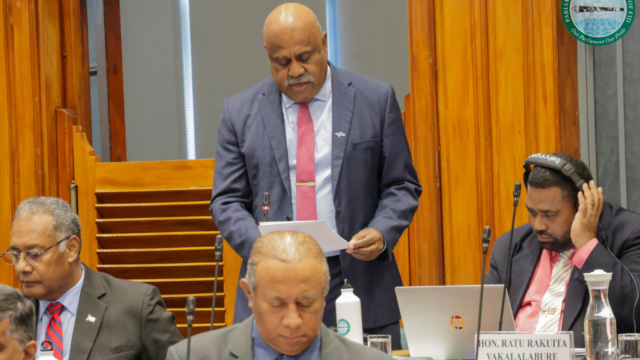
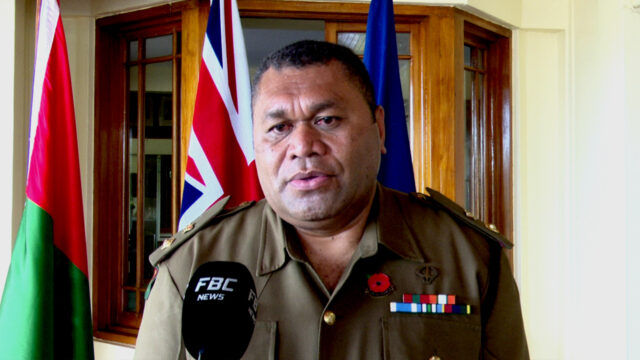
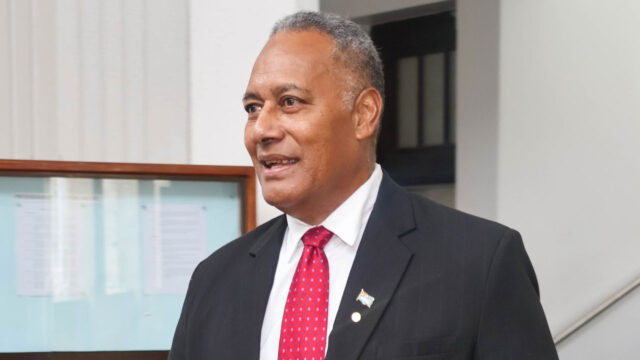
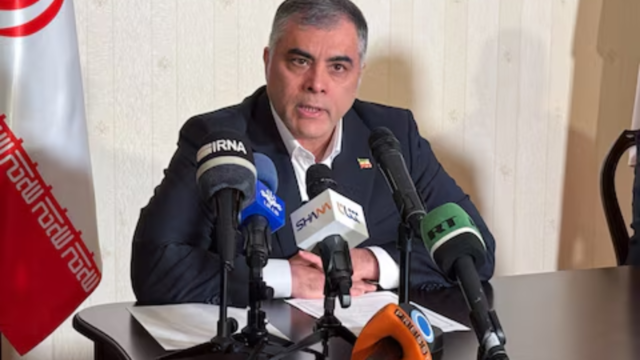
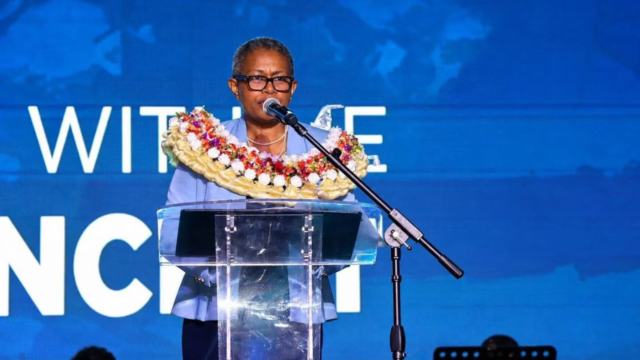
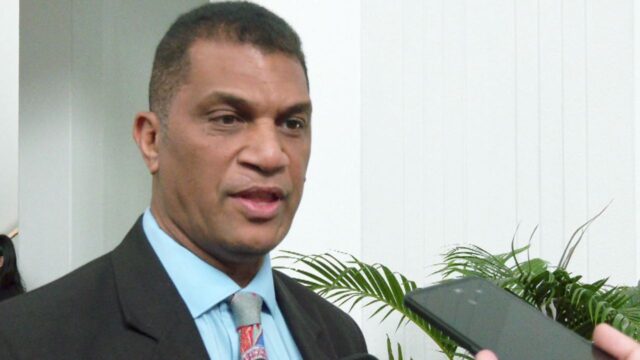
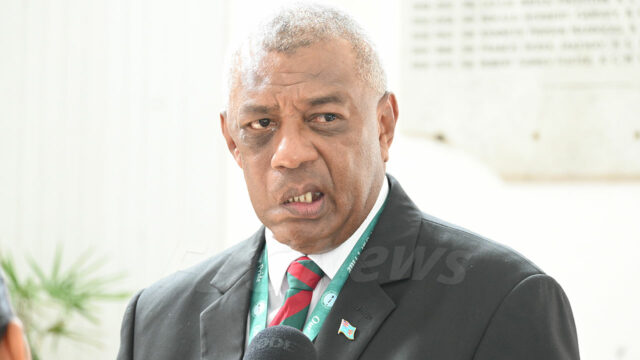
Minister for Lands, Filimoni Vosarogo. [Photo: JOSEFA SIGAVOLAVOLA]
The Ministry of Lands and Mineral Resources has defended the state’s role as custodian of Fiji’s mineral wealth, describing it as a matter of public trust, equity, and national development.
In its submission to the Constitution Review Commission, Minister Filimoni Vosarogo argued that minerals should remain under state ownership to ensure benefits are distributed fairly across the population, rather than accruing only to landowners where resources are found.
The Ministry stressed that state ownership allows for stronger regulation, environmental safeguards, and equitable sharing of revenue through royalties and taxes.
“We are in a race, Mr Chairman, for critical minerals. This is not merely about economics. It’s about national security, defence, and energy transition. The state must secure its own supply and must secure its own supply chains. By retaining ownership, the state retains a stake in strategic projects, ensuring that national interests are protected even when foreign expertise and capital are welcomed.”
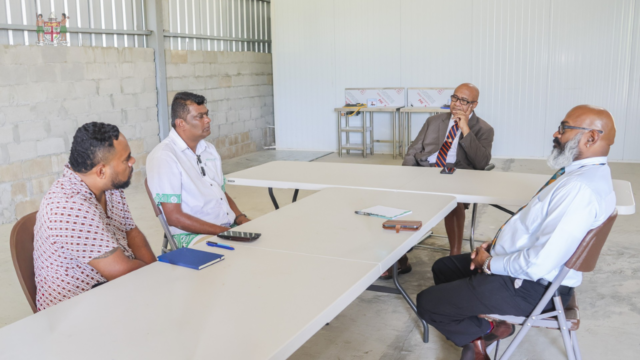
CRC Chair Sevuloni Valenitabua acknowledged that mineral ownership has been an ongoing national debate and urged the Minister to reaffirm his stance.
“Now this afternoon, we have heard submissions from you in relation to the philosophical aspect of that issue, the issue of ownership of mineral resources. It has given us another aspect of the ownership of minerals, particularly on how it has been suggested to us that the state has these minerals as a custodian rather than give them to the landowners, where the minerals might be abused and then taken out of control. I hope that is the correct interpretation of what you’ve been telling us. If you want to correct me, you’d better correct me now.”
Vosarogo further explained that state ownership ensures economic rents and windfall profits are captured through royalties, taxes, and equity participation, which then fund public services such as schools, hospitals, and infrastructure.
“When the state holds the title, it can capture the economic rent, the windfall profits through royalty, taxes, and equity participation. This revenue becomes the lifeblood of public services, our schools, our hospitals, our infrastructure, and defines a functioning society. Furthermore, think about the balance sheet of the nation. If the state owns its mineral wealth, that wealth can be counted as a national asset.”
While acknowledging calls from landowning units for direct ownership of minerals, the Ministry maintained that custodianship by the state is essential to safeguard Fiji’s long-term interests and uphold the principle that natural wealth belongs to all Fijians.