 Nikhil Aiyush Kumar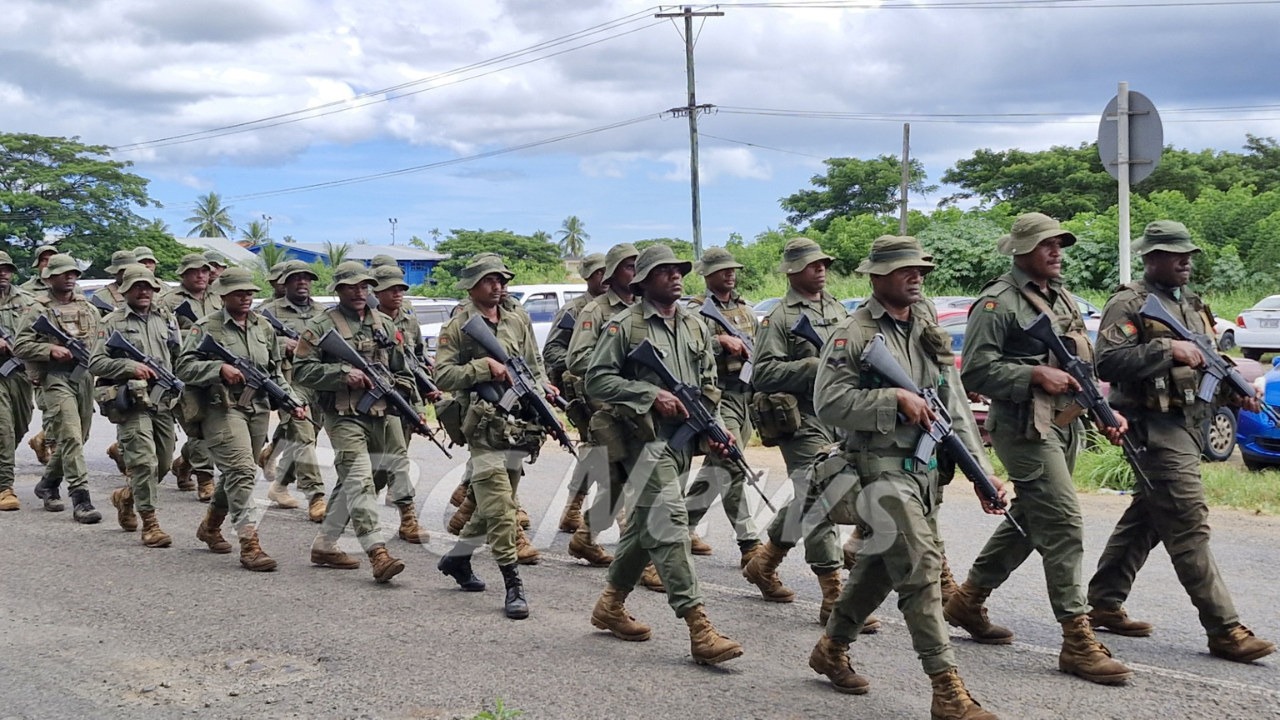
[Photo: FILE]
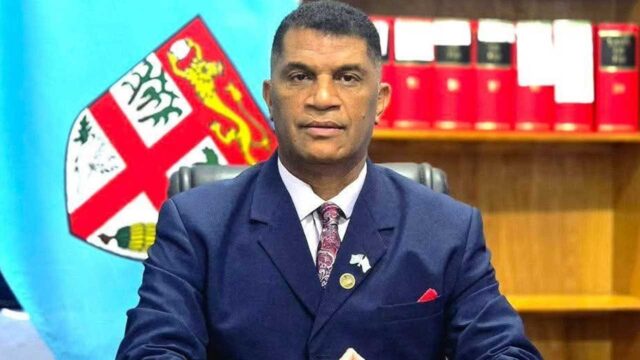
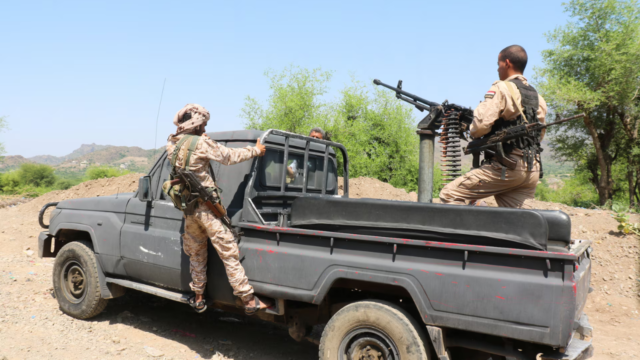
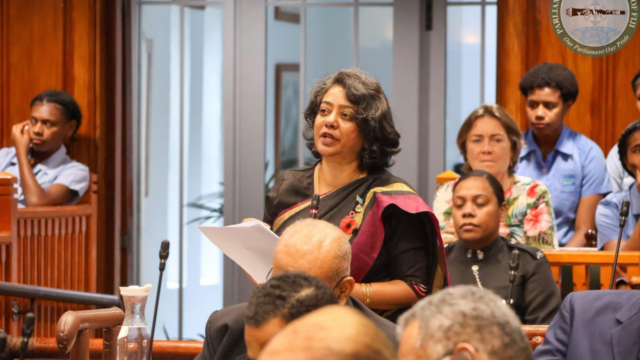
An academic has urged the Constitutional Review Commission to recommend reducing the size of the Republic of Fiji Military Forces, arguing that military reform is essential to strengthening democracy and preventing future coups.
Presenting her submission, Dr Moshmi Bhim referenced a 2004 National Security and Defence Review that recommended halving the military’s size, describing its scale as a threat to democracy.
She noted that former Prime Minister Laisenia Qarase supported the recommendation, recalling an interview where he told her that downsizing the military was one way to address Fiji’s coup culture, shortly before his government was overthrown in 2006.¤
The Academic proposed that military service should be capped at a certain service limit.
“Military service should be temporary, with soldiers serving 5 to 10 years only in the RFMF. It is because soldiering is not a lifelong career in Fiji, because not all soldiers can serve until retirement.”
She says soldiers primarily gain operational experience through overseas peacekeeping missions, but many face limited career prospects after becoming ineligible for such deployments in middle age.
She adds that experienced soldiers with no career beyond middle age are at risk of incentive to carry out a coup, as it provides an opportunity to gain senior positions in government institutions, diplomatic corps and statutory bodies, as was the case after the 1987 and 2006 coups in Fiji.
CRC Chair Sevuloni Valenitabua raised concerns that limiting service to 10 years could undermine job security for soldiers, many of whom expect to remain in service until retirement.
“I have a question for you. These days our people these days our people go for job security, right? And those who prefer to join the military anticipate, and some expect to serve until they are 55 years old.”
Bhim referenced the Fiji Commerce and Employers Federation, skills assessment survey, which identified a huge shortage of skilled people in the other sectors.
She noted that as a small country, we have so many strong, capable, intelligent men who go and enlist as soldiers, and we continue to have less strong, intelligent men for the other sectors.
Bhim argued that the military attracts many capable young people because of job security, overseas training and travel opportunities, leaving other industries struggling to recruit skilled workers.