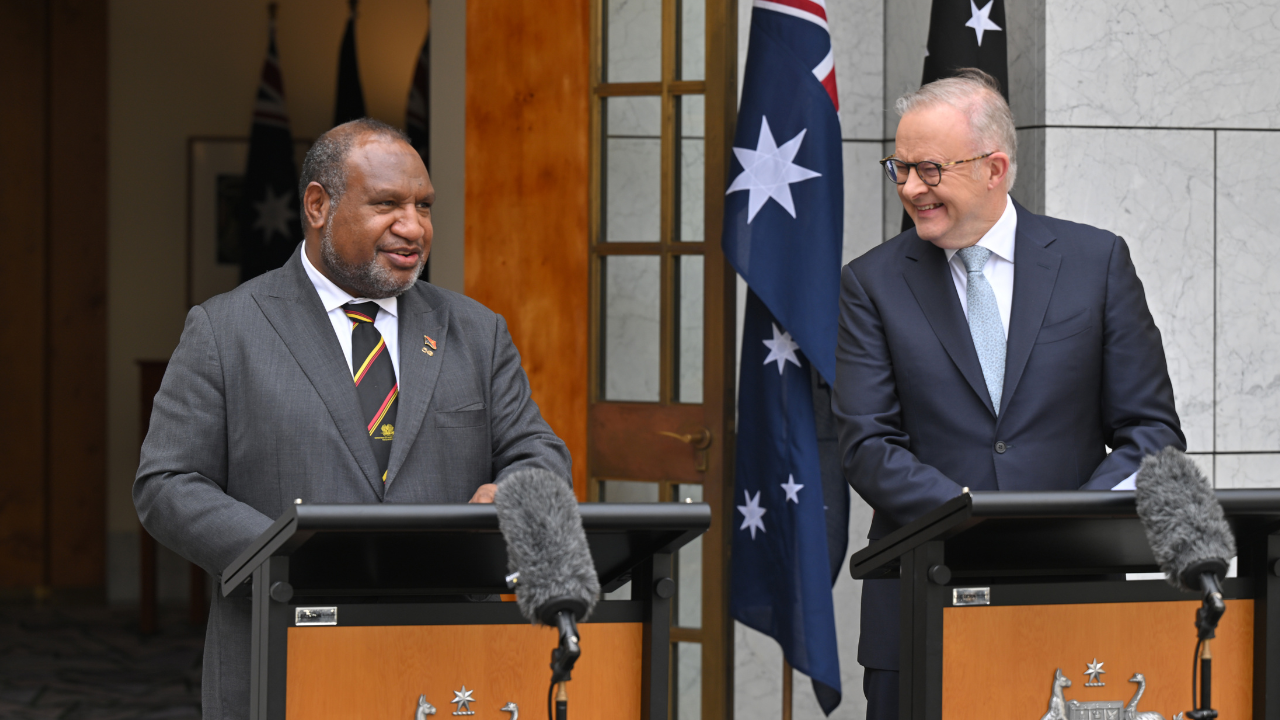
Australia’s Prime Minister Anthony Albanese (left) and Papua New Guinea’s Prime Minister James Marape at a press conference after signing a defense treaty at Parliament House in Canberra. [Photo Credit: AAP Image/Mick Tsikas]
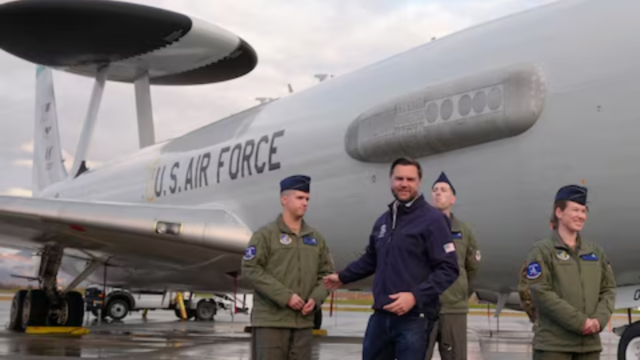
Australia wants the Pacific region to band together and send China a “strong message” following its missile launch into the region.
Prime Minister Anthony Albanese is preparing to host three Pacific counterparts to bolster Australia’s position in the region amid encroaching Chinese influence.
Beijing fired a long-range missile into the South Pacific within hours of Australia and Fiji inking a new alliance.
Mr Albanese said the Pacific Island Forum was drafting a very strong statement in response.
“We’re hoping as well that the nations of the Pacific join together to send a strong message,” he told reporters in Brisbane on Wednesday.
“It is appropriate that Pacific leaders issue a strong statement.
“We want to be responsible for our security. Pacific leaders coming together to provide security for our own region as members of the Pacific family.”
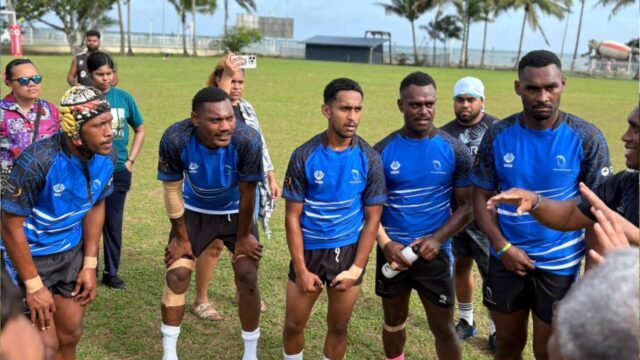
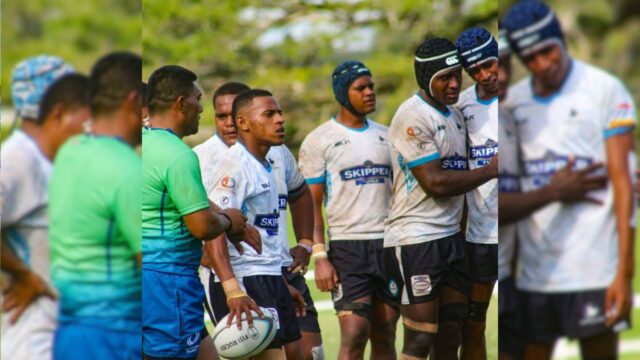
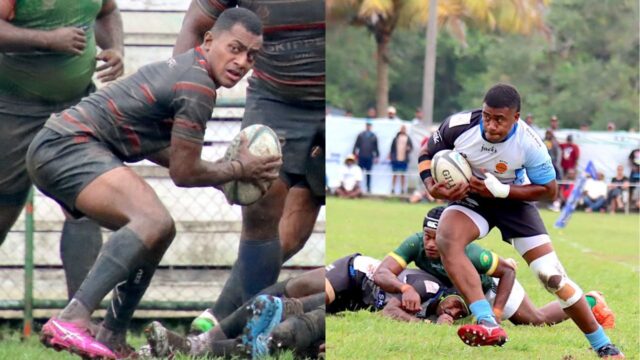
The bilateral meetings with Papua New Guinea’s James Marape, Tonga’s Lord Fakafanua and Samoa’s La’auli Leuatea Schmidt will be followed by a Pacific rugby league event in Brisbane with all four leaders.
Mr Albanese will also host the prime ministers at the State of Origin decider at Suncorp Stadium.
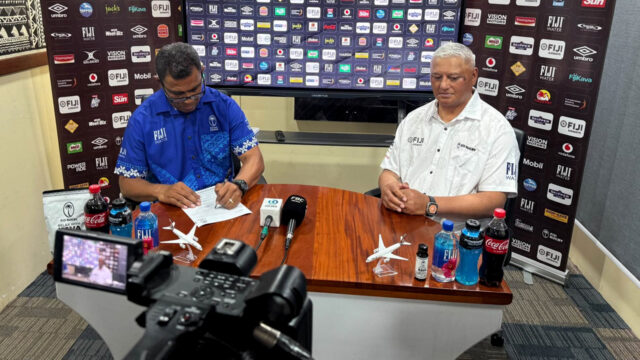
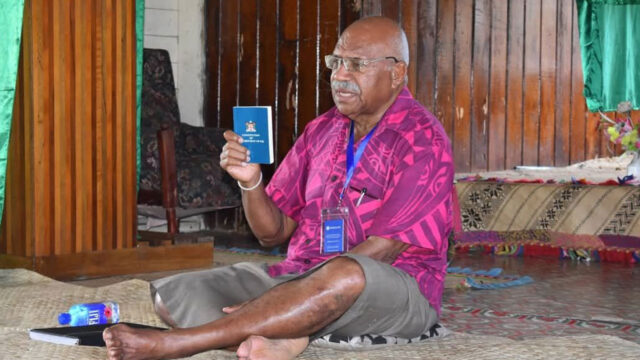
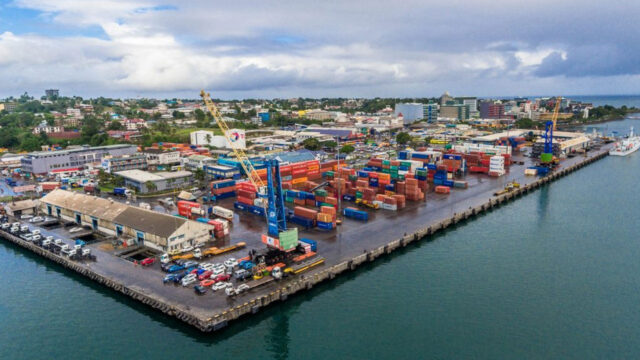
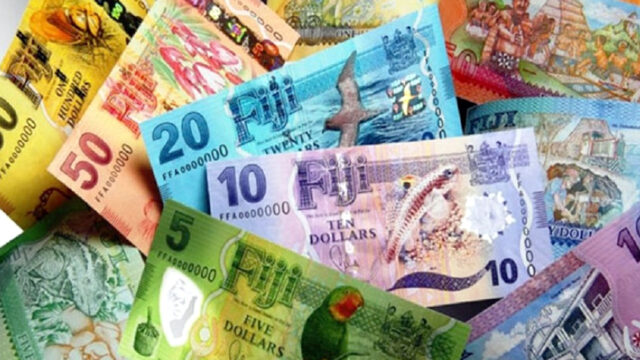
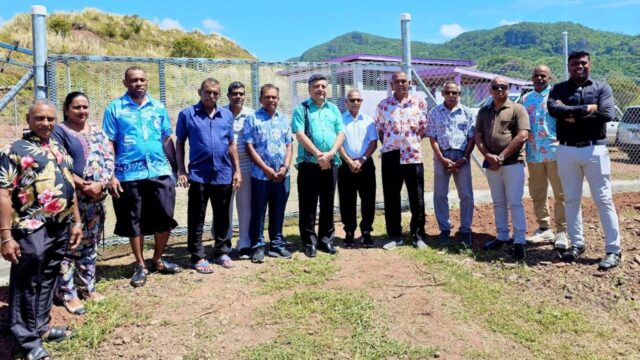
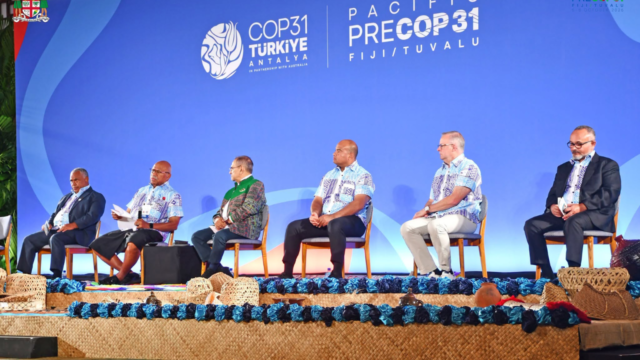
Mr Albanese returned from a successful trip to Fiji and the Solomon Islands, during which he signed a historic mutual-defence pact with Suva.
The Ocean of Peace Alliance, which could be expanded to other Pacific nations, makes Fiji Australia’s fourth official ally.
Since 2023, Australia has signed treaties with Tuvalu and Nauru and an alliance with Papua New Guinea, as well as the Nakamal Agreement with Vanuatu.
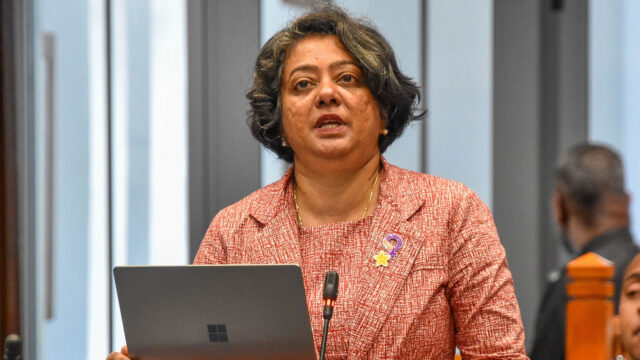
Solomon Islands Prime Minister Matthew Wale and Mr Albanese progressed talks on a new treaty in Honiara on Tuesday.
Mr Wale hopes to act quickly to sustain the favour of his government in what would be a decisive turn away from favouring Chinese security deals.
Henry Ivarature of the Australian Pacific Security College said Australia had done “exceptionally well” to cement itself as the regional hub for Pacific countries.
He expected continued talks to expand Australia’s presence in neighbouring islands, signalling a new era of strength for the region.
“I think Australia has learnt to listen and it has learnt to accept the way Pacific governments work. It has been patient,” he said.
But Dr Ivarature said attention would now turn to sustaining trust across a long period, something that shared interests such as rugby league were likely to help facilitate.
“These kind of agreements have to be maintained. When I travel to little islands like Tuvalu and I see Australian posts there, that is a really positive sign,” he said.
The Brisbane talks will likely focus on expanding military and aid work in the Pacific, as China looms as a geopolitical threat.
“Australia needs the engagement with the Pacific to keep China’s influence, while not completely out, at bay,” Dr Ivarature said.