 Praneeta Prakash
[Photo: FILE]
The Fiji Sugar Corporation says improving returns for cane growers will require a collective effort across the entire sugar industry, rejecting suggestions that the corporation alone is responsible for the sector’s ongoing challenges.
In a statement, FSC said while it accepts responsibility for improving its operational performance and acknowledges the difficulties experienced during the 2025 crushing season, the industry’s performance cannot be judged solely on mill operations.
FSC Chairman Nitya Reddy says the Tonnes Cane to Tonnes Sugar ratio is influenced by several factors beyond milling, including cane quality, maturity, weather conditions, burnt cane, extraneous matter, cut-to-crush delays, ratoon age and varietal composition.
He says stronger collaboration between growers and industry stakeholders is essential to improve sugar recovery and increase grower returns.
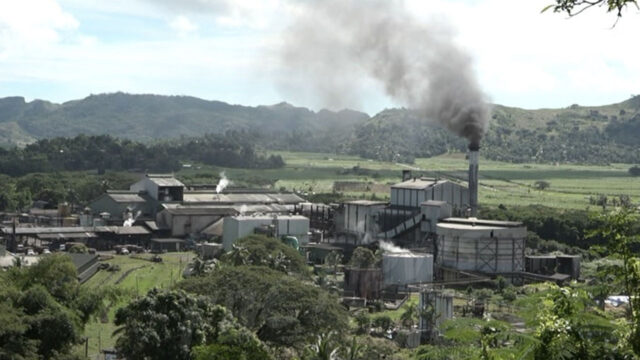
Reddy also reassured growers that all three sugar mills are fully prepared for the 2026 crushing season following extensive maintenance and operational upgrades aimed at improving reliability and efficiency.
He further clarified that the forecast cane price is not set by FSC alone.
He says under the Master Award, the forecast price is determined jointly by representatives of growers and FSC using agreed assumptions on crop estimates, sugar production, cane quality, TCTS, market prices and foreign exchange rates before being certified by the Sugar Industry Tribunal.
The FSC Chair says government investment in the sugar industry supports not only the corporation but also thousands of growers, employees, contractors, transport operators, service providers and rural communities while helping safeguard Fiji’s export commitments.
Reddy says the industry’s challenges require practical solutions and shared responsibility rather than blame.
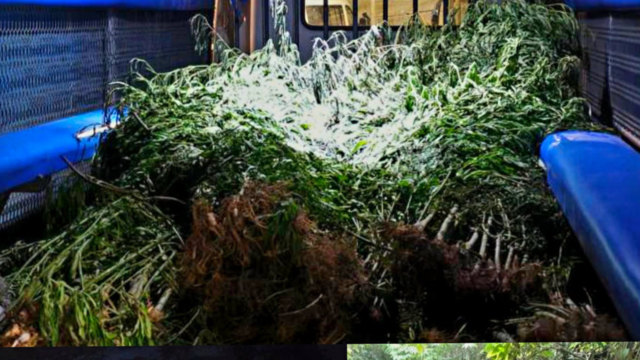
With the 2026 crushing season now underway, FSC is urging growers to begin harvesting without delay, warning that postponements can reduce cane quality, lower sugar recovery, increase harvesting and transport costs and leave cane unharvested at the end of the season, affecting growers, the corporation and the wider economy.