 Litia Cava

[File Photo]
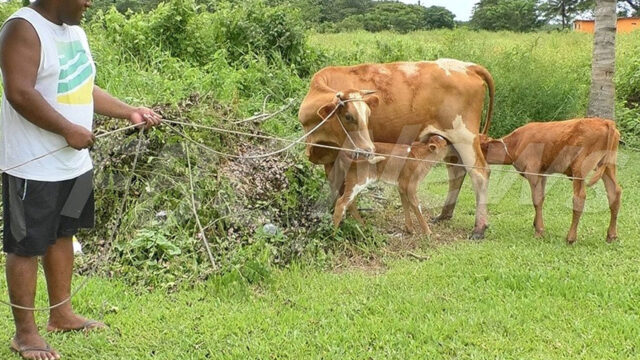
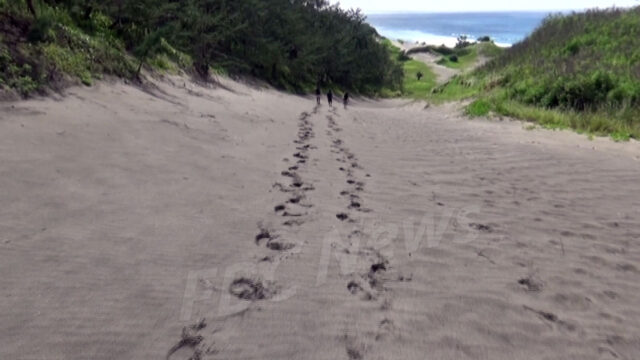
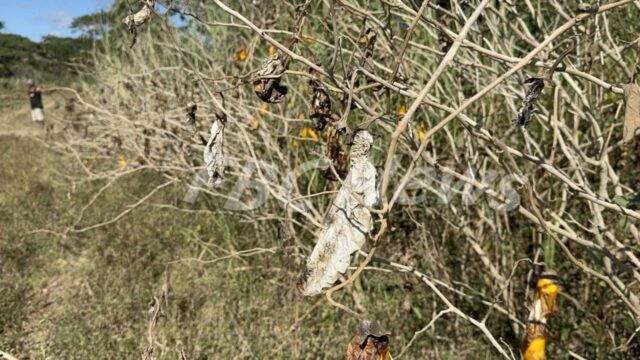
Farmers are losing crops and struggling to prepare their land as dry conditions persist.
The Fiji Meteorological Office warns that drying vegetation is also increasing the risk of bush and plantation fires, particularly in the Western Division.
It also explained that the effects of El Niño-driven dry conditions were widespread in October, with agricultural activities among the sectors already experiencing significant impacts.
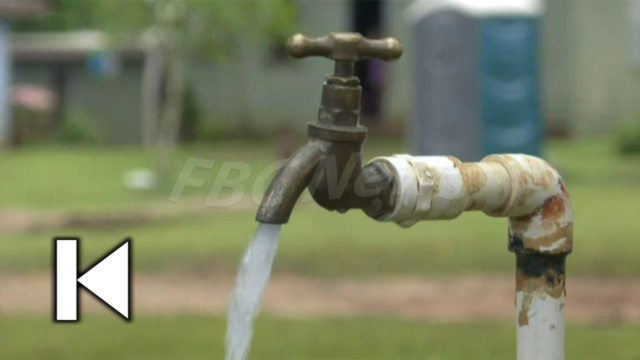
According to its Fiji Climate Summary for October, declining water availability and reduced soil moisture are contributing to crop stress and difficulties in land preparation.
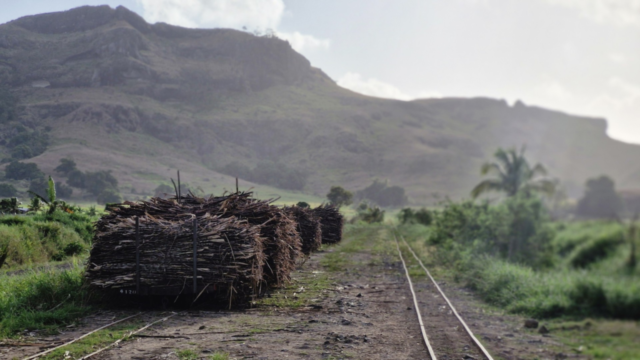
Vegetable and sugarcane farming have been particularly affected.
Some farmers have reported crops withering before harvest, resulting in reduced income and losses to their livelihoods.
The rainfall figures provide further evidence of the pressure facing the agricultural sector.
Of the 27 climate stations assessed, 26 recorded well below normal rainfall, while every reporting station received less than half its usual October rainfall.
Tavua recorded no rainfall during the entire month, while Keiyasi and Momi received only two millimetres each.
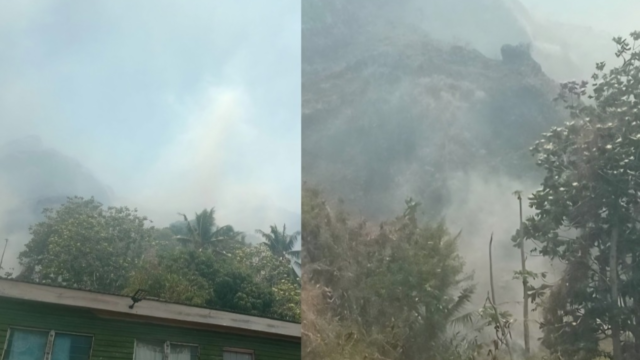
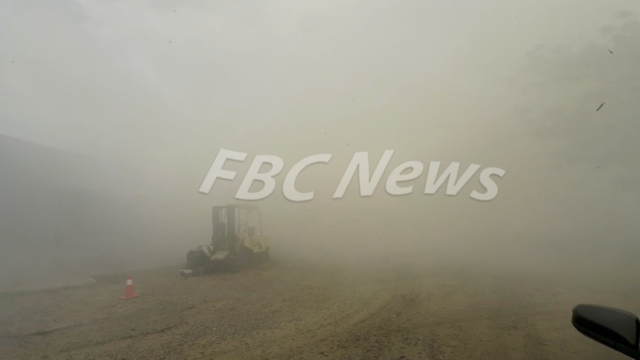
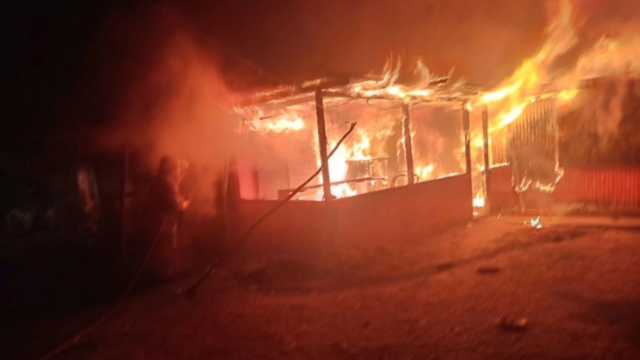
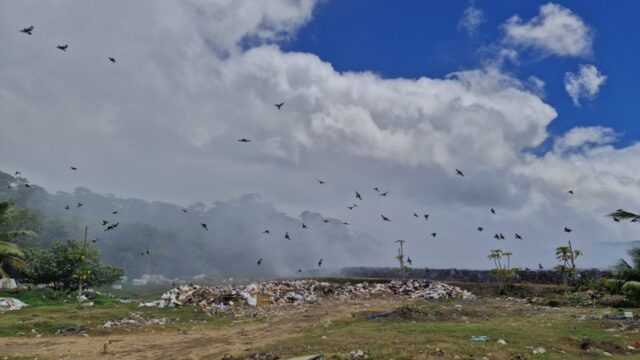
The Western Division has also experienced a growing fire threat as vegetation dries out.
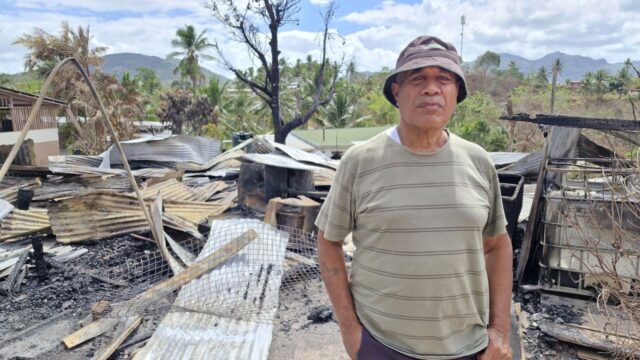
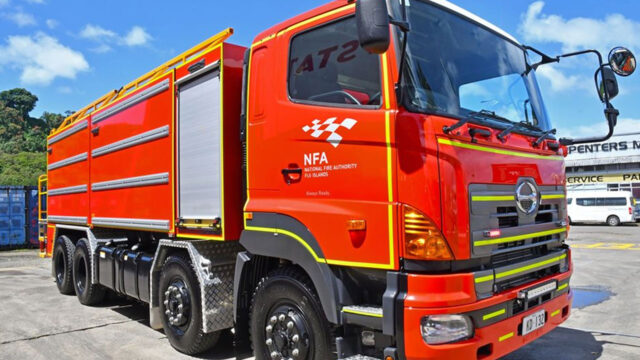
The Meteorological Office reported numerous fire incidents in the division during October, including a sugarcane field damaged by fire in Vaivai, Lautoka, on October 28.
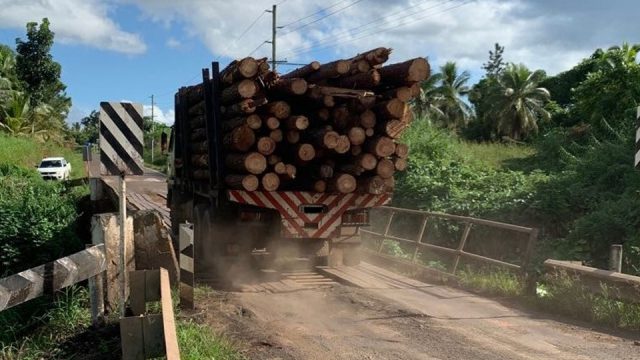
A fire also affected a Fiji Pine Limited plantation on October 20, while an uncontrolled fire was reported along Nabou Highway on October 30.
The combination of declining soil moisture, stressed crops and dry vegetation presents a growing challenge for farmers and plantation operators.
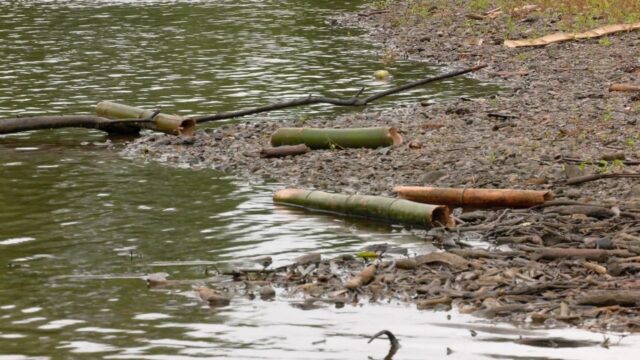
The Meteorological Office says the dry spell has persisted across the Western and Northern Divisions, as well as the maritime zone.
With El Niño conditions likely to continue into next year, the pressure on farming activities and fire management could extend.