 Reuters
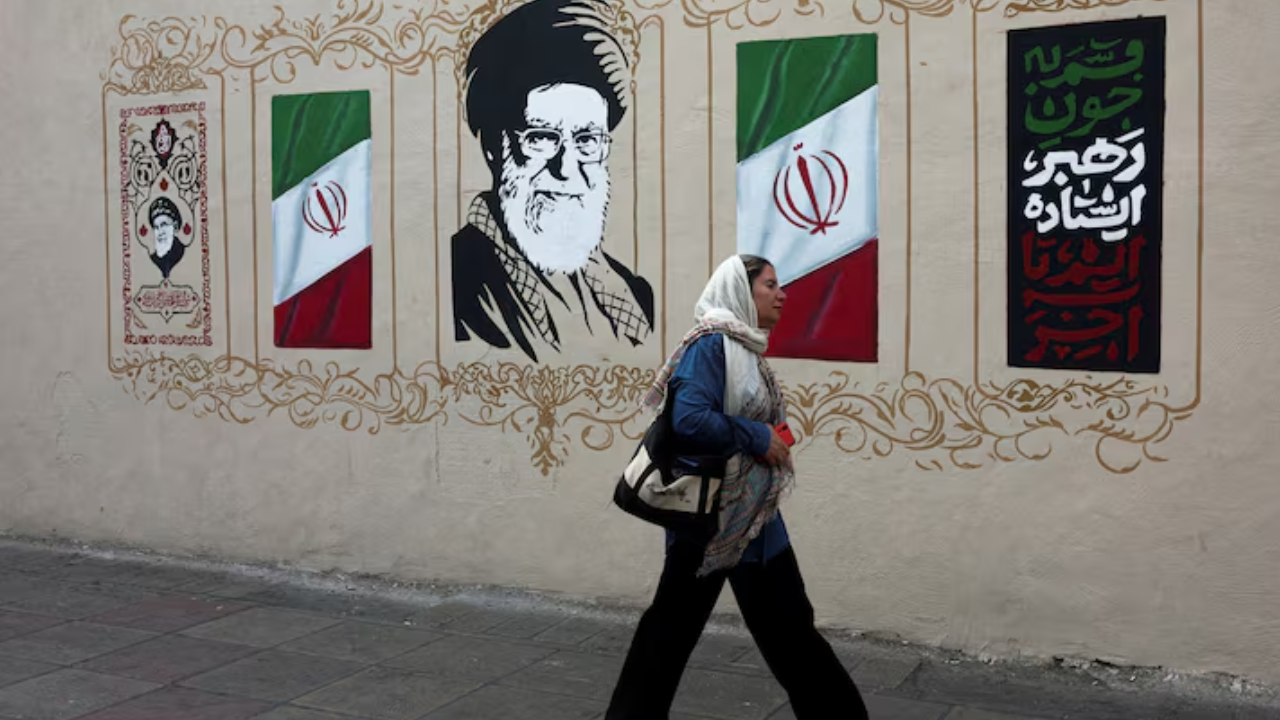
Source: Reuters
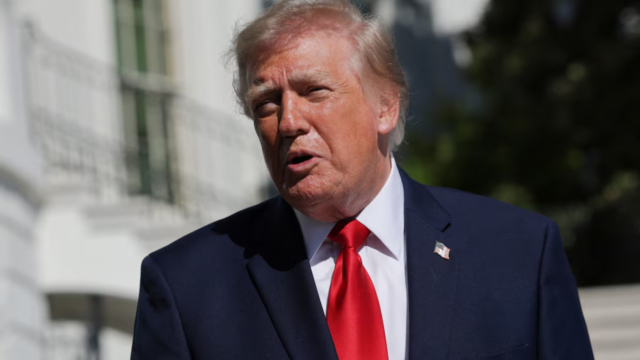
The U.S. on Monday announced an expansion of secondary sanctions it hopes will “sever every economic lifeline” sustaining Iran, as President Donald Trump’s administration struggles to resolve an unpopular war that has pushed energy prices higher.
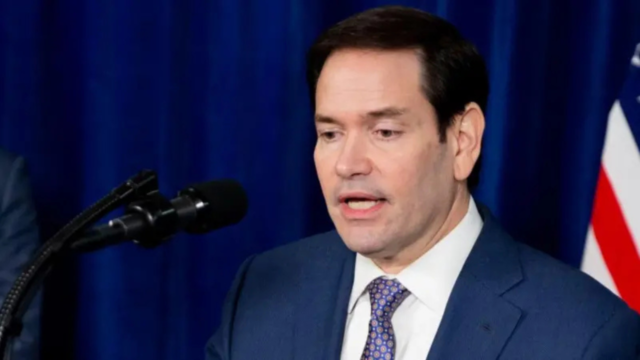
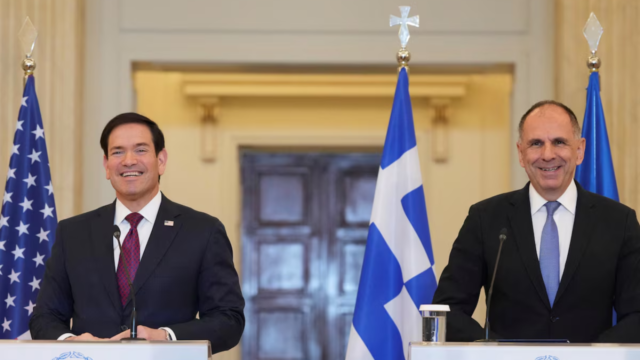
Treasury Secretary Scott Bessent unveiled what he described as an “economic D-Day” that aims to give a final warning to countries to cut their business ties with Iran or risk having key companies and entities cut off from the dollar-based financial system.
The Reuters Power Up newsletter by columnist Ron Bousso provides everything you need to know about the global energy industry. Sign up here.
“We are launching an economic onslaught against Iran’s financial connections around the globe. Our objective is to sever every economic lifeline that sustains this tyrannical regime until Tehran stands alone,” Bessent said at a press conference.
But he declined to identify the countries that would be targeted, or when those penalties would take effect.
The move is part of U.S. efforts to put pressure on Iran to end the attacks on ships in the Gulf and, more recently via its allies, in the Red Sea, that Tehran launched after the U.S. and Israel began air strikes against it in February. Iran has said it will have the opposite effect.
Iran has spent decades under layers of U.S. and international sanctions that have battered its economy but have not deterred its leadership.
Almost six months have passed since the U.S. and Israel launched strikes on Iran, sparking a conflict that has snarled shipping in the region, crimped the flow of oil and taken a toll on the U.S. and global economies.
Oil prices eased on Monday after two weeks of gains as investors took profits ahead of the expected U.S. announcement.
‘NO ONE’ BEYOND REACH OF SANCTIONS
Bessent previously urged cooperation from China, the biggest buyer of Iranian oil for several years, although the U.S. blockade of Iran’s ports, renewed in mid-July, has already cut Iranian oil flows to China.
Experts say Washington is wary of Chinese retaliation for any sanctions on its banks ahead of expected talks next month between U.S. President Donald Trump and Chinese President Xi Jinping, with any curbs on China’s exports of critical minerals especially sensitive.
Asked about Chinese banks on Monday, Bessent said, “We want to make clear here today that no one is above the reach of U.S. sanctions.”
The Chinese Foreign Ministry said sanctions and pressure tactics do not help and Beijing would do what was necessary to protect China’s interests.
Bessent said the Treasury Department has mapped the networks, facilitators and financial channels that Iran uses to smuggle oil and evade sanctions. He said Washington would be working with U.S. partners to target any source of Iran’s “illicit revenue.”
The department said the Iranian government was using five sectors — digital assets, technology, gold, aviation and shipping — to prop up its economy and they were on notice for sanctions. The Treasury has also imposed sanctions on nearly 60 entities, individuals and vessels.
Trump has threatened tariffs on goods from countries doing business with Iran, opens new tab, which include Turkey, Iraq and India, although the Supreme Court struck down the legal basis for such taxes.
Iran has dismissed the U.S. threat and issued a new warning to shipping, opens new tab not to pass through the Strait of Hormuz without its permission, listing 45 ships it said had violated its rules andthreatening retaliation, opens new tab for any ship-to-ship transfers with them.
TALKS WITH PAKISTAN, PROJECTILE HITS TANKER
Pakistan’s army chief Asim Munir, who has built a personal rapport with Trump, was in Iran on Monday for talks, Iranian media said. Pakistan said the visit aimed “to promote regional peace and stability”, and a Pakistani source said Munir would meet people close to Iran’s supreme leader.
Two Pakistani sources said Trump had called Munir last week, with another saying the main request was to bring Iran back to negotiations, opens new tab. The White House confirmed the call but did not comment on its substance.
The U.S. and Iran have not conducted air strikes on each other’s militaries for weeks, but their last official direct talks to end the six-month-old conflict took place in June and strikes on vessels in the Strait of Hormuz have continued.
A projectile struck a tanker, opens new tab west of the Saudi port city of Yanbu in the Red Sea on Monday, causing a fire on the main deck, shipping monitors from the United Kingdom Maritime Trade Operations said.
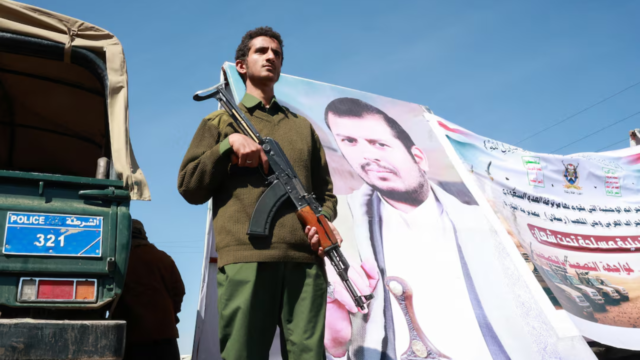
A spokesperson for Iran’s Houthi allies, who last month announced they would block, opens new tab Saudi oil exports diverted to the Red Sea to avoid Hormuz, said they had attacked a vessel in the area. Saudi Arabia’s national shipping company confirmed that one of its vessels had been attacked.