 Litia Cava
[Photo: FILE]
Future governments can revisit and adjust priorities under the Fiji-Australia treaty.
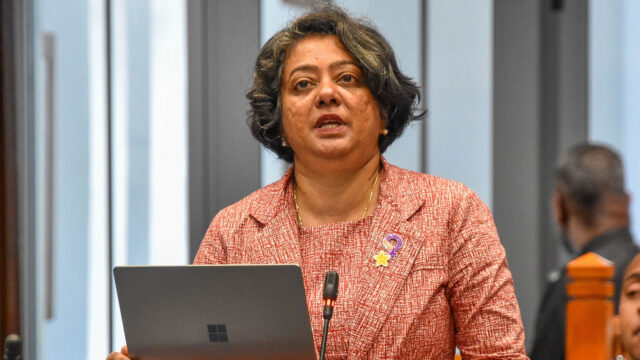
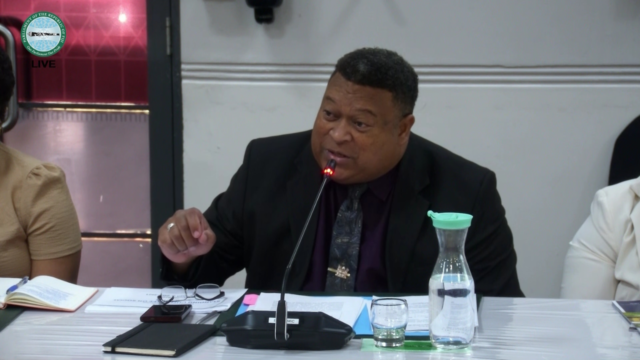
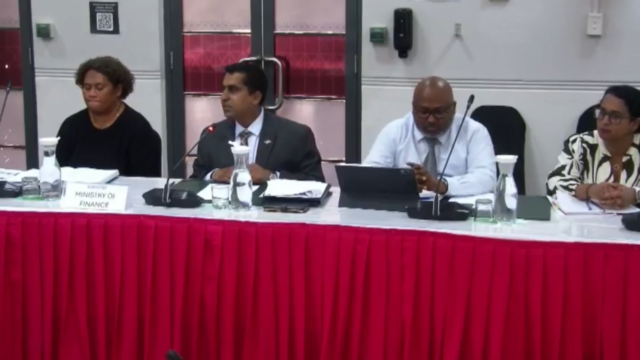
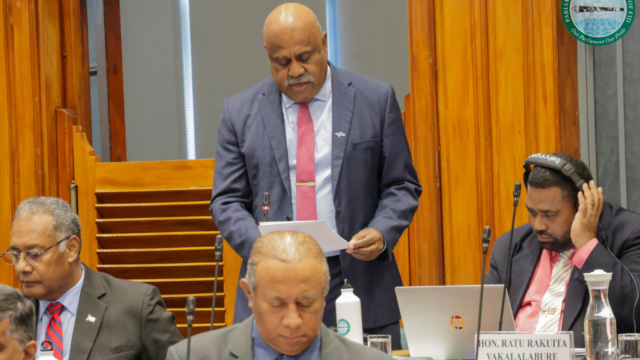
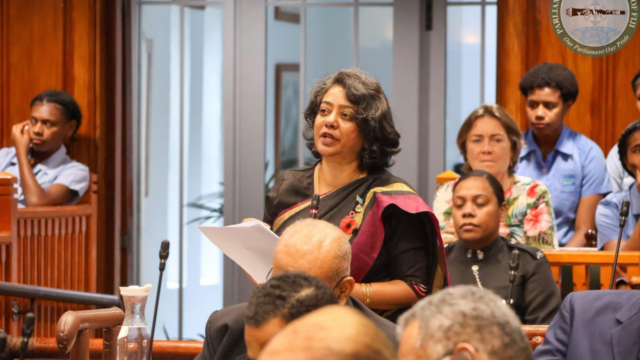
The issue was raised by Foreign Affairs Standing Committee Chair Lenora Qereqeretabua, who questioned whether a future government could change the priorities attached to the 10-year financing arrangement.
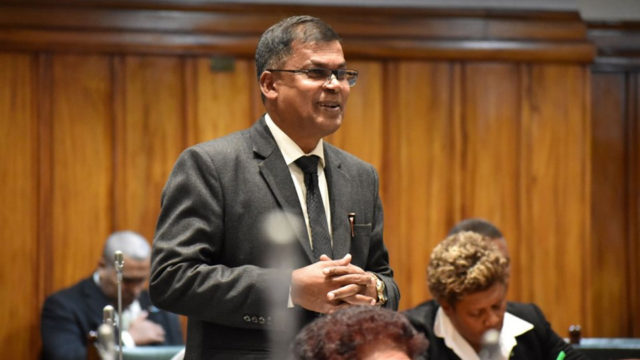
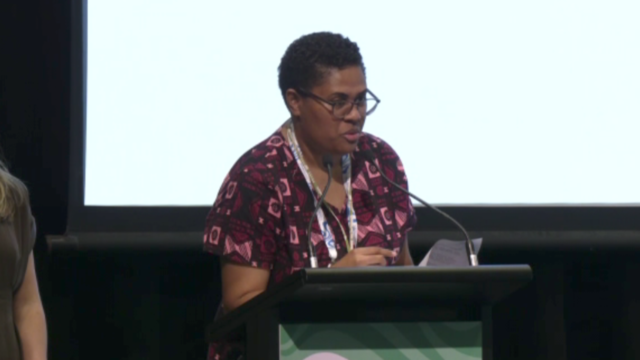
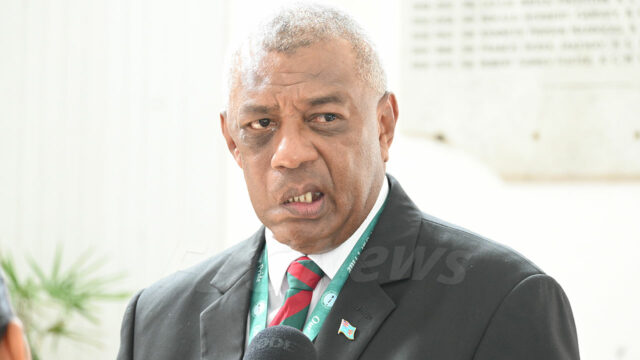
Finance Permanent Secretary Shiri Goundar has clarified that the agreement allows for continuous discussions as national priorities change.
“Through the ministerial and bureaucratic forums, we can continue to adjust and fine-tune the priorities, because this is a 10-year arrangement and we need to make sure the projects remain aligned with the government’s priorities.”
Goundar said the treaty was flexible enough to allow priorities to be reviewed through ongoing discussions at both ministerial and bureaucratic levels.
He said this means the priorities are not permanently fixed for the full 10 years, allowing the Government to fine-tune the work plan as circumstances and national needs change.
The response is significant because the financing arrangement spans a decade, potentially covering more than one government and different national priorities.
Goundar also rejected the suggestion that Australia is determining Fiji’s development agenda through the financing arrangement.
He said the projects identified under the treaty are based on Fiji’s own National Development Plan and reflect areas the government has identified as priorities.
These include health, HIV, drugs and law enforcement as well as economic diversification, agriculture, rural development and infrastructure.
The Finance Permanent Secretary said the arrangement was intended to support Fiji in addressing major challenges while advancing its own development priorities.
The work plan itself remains subject to further discussions and fine-tuning, with relevant Government agencies expected to continue working through the projects and their implementation.
For future administrations, the key point is that the treaty does not lock Fiji into an unchangeable list of projects for the next 10 years.
Instead, Goundar said the agreement provides mechanisms for the government to continue discussing, adjusting and prioritising how the financing is used.
That leaves future governments with room to respond to changing national circumstances while keeping the financing aligned with development priorities.