 Litia Cava
File
The Prime Minister and President failed to give those criticised in the Commission of Inquiry report a fair chance to respond before it was released to the public, the High Court has found.
High Court judge Justice Dane Tuiqereqere said the applicants should have been told about the adverse findings against them and given an opportunity to respond before the report was finalised.
He also said that this should have happened before the Prime Minister and President acted on the findings and most importantly, before the report was made public.
The Court has declared the entire Commission of Inquiry report dated May 1, 2025 null and void.
Justice Tuiqereqere said the applicants could not have known, when the hearings ended on March 3, 2025 that they would later face the adverse findings contained in the report.
He stated that they should have been given the proposed findings and allowed to respond. The judge also found the Commission of Inquiry continued its work after its legal deadline.
The Commission was required to complete its work and submit its report by January 31 2025. However, its hearings continued after that date and the report was not submitted until May.
Justice Tuiqereqere said the President did not have the power to simply extend the Commission to May 16 2025. He stated that a new commission should have been established but this was not done.
As a result, the court found that the Commission’s work after January 31 was unlawful. The judge also found there was more than enough evidence to raise concerns about bias by the Commissioner.
He also pointed out that the Commissioner’s statements during the hearings, comments made after the report and the contents of the report would lead a fair-minded person to believe the Commissioner had not approached the inquiry with an open and impartial mind.
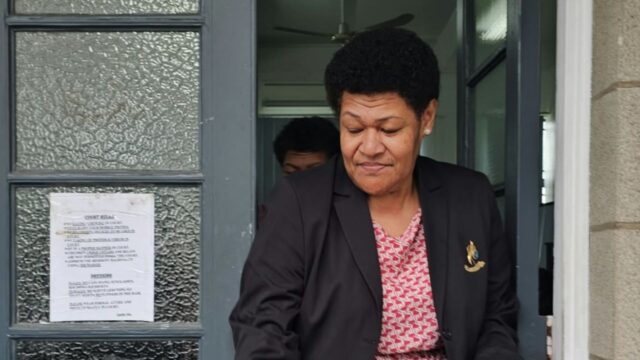
The court also found that natural justice was denied to the applicants. Justice Tuiqereqere said that the former Fiji Independent Commission Against Corruption Commissioner Barbara Malimali was particularly affected and should have received proper notice of the allegations against her and a greater opportunity to take part in the process.
The court found that some adverse findings were also outside the Commission’s terms of reference or were irrational.
Despite these findings, Justice Tuiqereqere says the inquiry itself served a useful purpose. He pointed out that the work of FICAC is important to Fiji and the appointment of its Commissioner is critical to the agency’s success.
The judge says the inquiry raised valid concerns about the appointment process. He found that the Tuvalu issue was relevant to Malimali’s suitability for the position.
He also found that the live FICAC investigation into Malimali at the time of her appointment should have been disclosed to the Judicial Service Commission.
Justice Tuiqereqere said it was not appropriate for Malimali to be appointed while an active criminal investigation against her was pending. However, the judgment notes that the investigation has since been completed by the Fiji Police Force and no charges were laid against Malimali.
The High Court has now quashed the adverse findings and recommendations made against the applicants. It has also declared the Commission’s extension ineffective, found apparent bias in the Commissioner’s conduct and ruled that the Prime Minister and President failed to follow procedural fairness before the report was released.
The May 1 2025 Commission of Inquiry report is therefore null and void in its entirety. The court will deal with damages and costs separately.
The Commission of Inquiry was established in October 2024 to examine the appointment of Barbara Malimali as FICAC Commissioner, after concerns were raised about the process and the circumstances surrounding her appointment.
The inquiry heard evidence from senior government officials, lawyers and others involved in the appointment. Its report later made adverse findings against several people, including Malimali, former Attorney-General Graham Leung, Lawyers Wylie Clarke and Laurel Vaurasi.
Those findings were challenged in the High Court, with the applicants arguing that the Commission acted outside its legal powers and denied them a fair hearing.
During the April judicial review hearing, the court heard arguments over whether the Commission had been lawfully extended beyond its January 31,2025 deadline, whether its findings were supported by the evidence and whether the applicants were given a proper opportunity to respond.