 Litia Cava
[Photo: FILE]
The Commercial Use of Marine Areas Bill could face a constitutional challenge if it diminishes existing rights attached to land and leases.
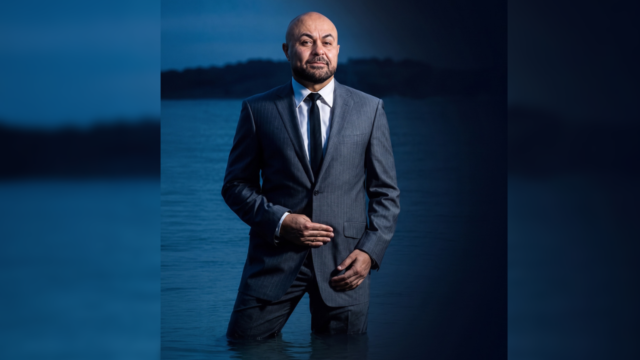
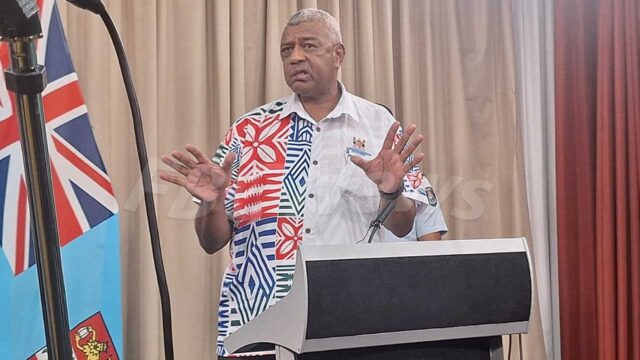
Former Attorney-General Aiyaz Sayed-Khaiyum pointed this out and has challenged the government’s claim that Section 29 of the Constitution is merely a transitional provision.
He warned that the provision could have implications for existing rights under the proposed legislation.
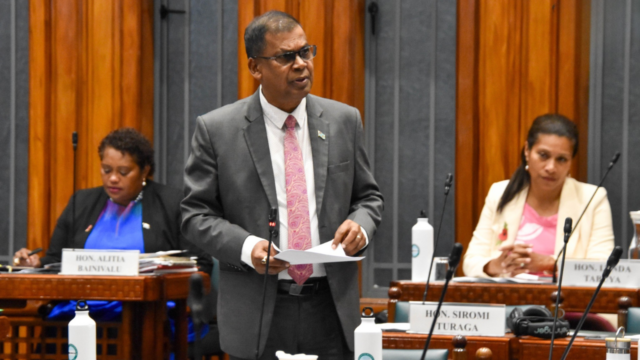
Standing Committee member Faiyaz Koya raised the issue during Sayed-Khaiyum’s submission on the Bill.
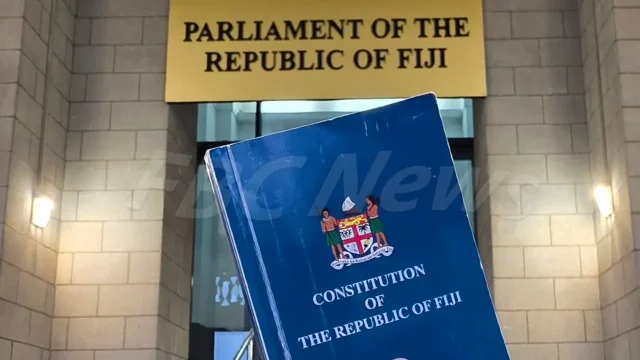
Koya asked Sayed-Khaiyum to address Section 29 of the Constitution, which protects ownership and interests in land, including the State’s interests.
The provision states that ownership and rights and interests in land, leases and land tenancies existing immediately before the Constitution came into force continue under the Constitution.
It also states that no law may be made to diminish or adversely affect those rights and interests.
Sayed-Khaiyum strongly rejected the Ministry of Tourism’s interpretation that Section 29 is transitional.
He said Section 29 forms part of the Constitution’s protection of land rights and should not be treated in the same way as provisions designed to deal with temporary arrangements during the transition to the 2013 Constitution.
Sayed-Khaiyum warned that the implications for the proposed marine legislation could be significant.
Koya also raised Section 30 of the Constitution, which provides that minerals in or under land or water are owned by the State.
Sayed-Khaiyum said State ownership of minerals does not mean landowners are excluded from the economic benefits generated from those resources.
He pointed to the constitutional and legislative framework under which landowners receive the bulk of mineral royalties while the State retains responsibility for regulation, environmental protection and administration.
He argued that the distinction was important because the State can retain ownership of a resource while legislation provides a mechanism for customary owners to receive substantial financial benefits from its exploitation.
Sayed-Khaiyum said the same principle should not automatically be applied to the marine rights contemplated by the Bill.
He stressed that mineral royalties and foreshore or qoliqoli rights are legally and commercially different matters.
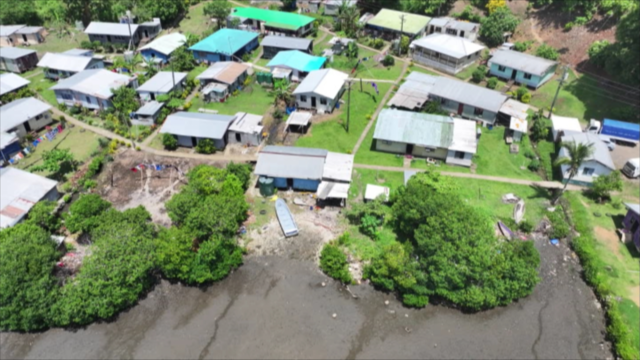
He also questioned the Bill’s broad definition of “marine area”, which includes the foreshore, internal waters, archipelagic waters, territorial sea, lower airspace, seabed, subsoil and reclaimed land.
Sayed-Khaiyum said the Bill could affect existing developments and rights that had been created under previous legal frameworks, raising questions about how those rights would interact with navigation, infrastructure, environmental regulation, minerals, fisheries and existing leases.
He also criticised the Bill’s reliance on future regulations to determine important substantive matters.
The Bill gives the Minister broad powers to make regulations covering various aspects of the proposed system.
Sayed-Khaiyum said substantive matters affecting major investments and legal rights should not simply be left to regulations.
He argued that Parliament should clearly establish the fundamental rights, obligations and protections in the primary legislation rather than leaving major decisions to ministerial regulations.
The former Attorney-General also rejected the argument that the issue should be framed simply as a conflict between tourism operators and qoliqoli owners.
He said qoliqoli rights already exist under Fiji’s fisheries laws and customary owners are entitled to compensation where commercial activities restrict their traditional use of those areas.
The problem with the Bill, he said, is that it goes beyond compensation for the use of qoliqoli areas and seeks to alter the State’s proprietary rights over marine areas.
Sayed-Khaiyum said this distinction must be maintained.
Under the proposed Bill, however, the foreshore rights could be transferred into a new framework under TLTB, potentially allowing TLTB to grant the marine area to another party.
That, he warned, could fundamentally undermine the investment decisions made by existing tourism operators and their lenders.
Sayed-Khaiyum said the Bill therefore needs to be reconsidered not only from a policy perspective but also for its constitutional, legal and economic consequences.