 Litia Cava
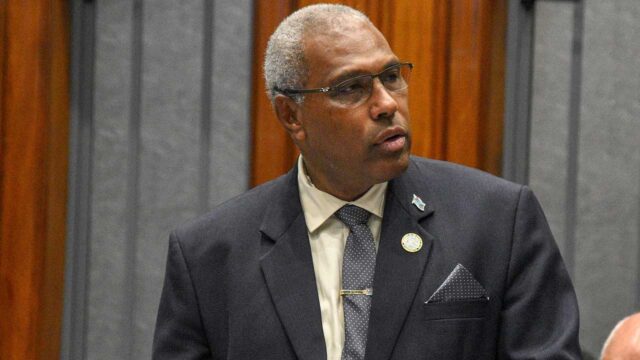
Education Minister Aseri Radrodro with students. [Photo:SUPPLIED]
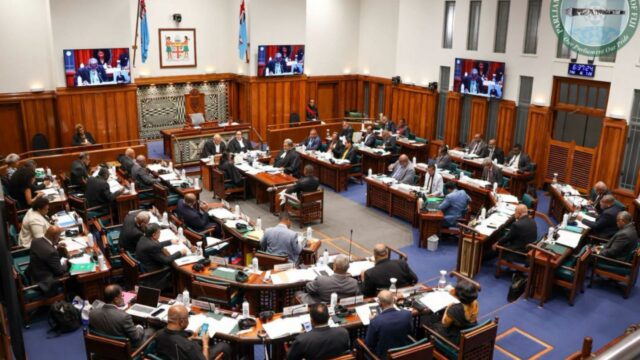
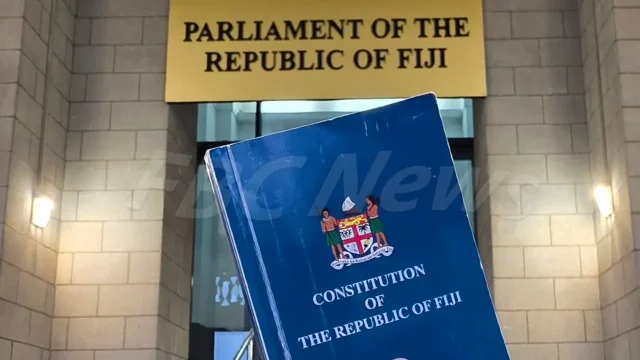
Parliament has passed the Education Bill 2025. The new law delivers major reforms to Fiji’s education system.
Government states it will modernise governance, improve standards and expand access across all levels of learning.
A lack of clear definition for private schools sparked debate in Parliament, with MPs warning that the Education Bill leaves a major regulatory gap that could affect how schools are approved, funded and classified.
However, the passage of the bill came after a key dispute over private schools exposed what MPs described as a major regulatory gap.
The bill replaces the Education Act 1966. It introduces a wider framework covering school governance, curriculum oversight, teacher registration and institutional accountability.
Government maintains the reforms are aimed at aligning education with national development priorities and strengthening consistency across the system.
A central point of debate was the treatment of private schools. MPs warned that the bill refers to private schools but does not clearly define them.
The issue was raised during debate on clause 5D and clause 47. These clauses outline recognition and regulation of schools.
While the bill defines government schools and government-aided schools, it does not define private schools. This is despite listing them as a separate category.
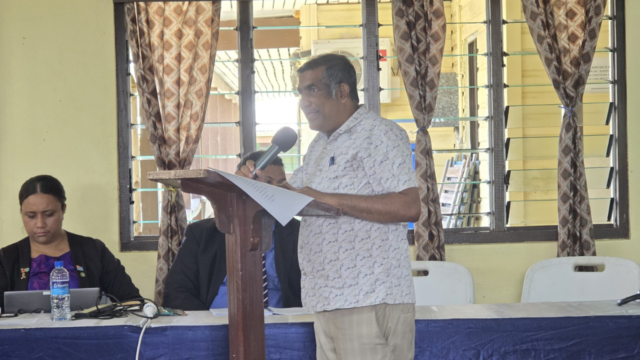
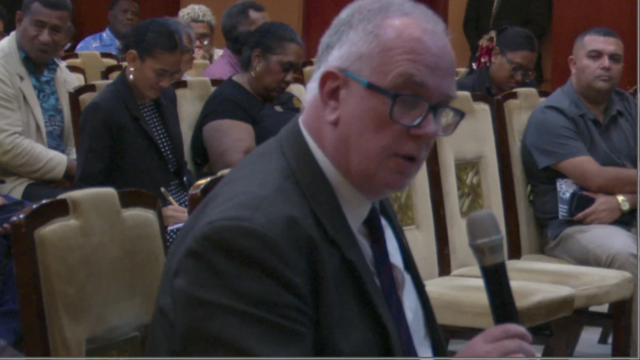
Opposition MP Premilla Kumar told Parliament the omission creates confusion. She said private schools are mentioned throughout the bill but not defined in law.
The MP warned this makes classification unclear. It also blurs the line between private, church-run and community schools.
She proposed a clear definition. Kumar said private schools should be fully self-financed. This would include funding through fees, private investment or donors. The MP added there should be no reliance on government support.
She also said this would set a clear boundary. It would also prevent expectations of state funding.
Government MP Professor Biman Prasad questioned that approach. He said funding alone should not define a private school.
He warned a strict definition could limit flexibility. He added that schools may receive mixed support. This could include government assistance without changing their status.
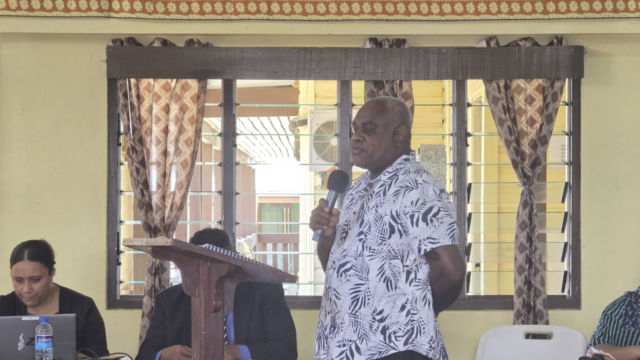
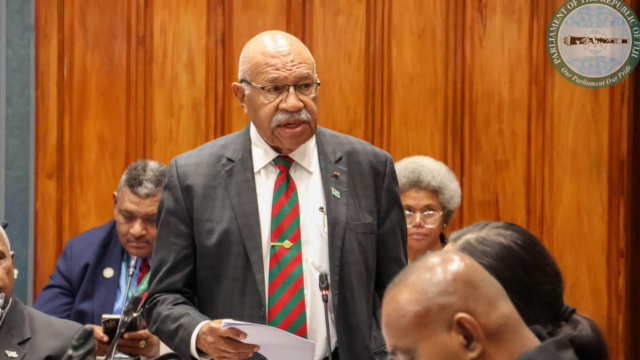
The Education Minister Aseri Radrodro said government and government-aided schools are already clearly defined. He said both categories are based on public funding. Radrodro argued that private schools already fall within the broader structure of the bill.
He said a strict legal separation may not be necessary. He warned it could make implementation more complex.
Kumar disagreed. She said the framework does not cover fully self-financed schools. She pointed to international schools and privately run providers. She said their growing presence requires clearer regulation. She warned that the lack of definition creates uncertainty in approval and registration processes.
She said the gap could lead to inconsistent decisions. She also said it weakens clarity in oversight at a time when private education is expanding in Fiji.
Despite the debate, the amendment to create a formal approval framework for private schools was defeated.
The Education Bill 2025 was then passed at its third reading. It replaces the 1966 Act and expands the legal structure for Fiji’s education system. It covers school regulation, governance and standards.
Government described the law as a major reform. It said it strengthens accountability and improves education delivery nationwide.
Opposition members supported the wider reform but raised concerns over specific provisions. These included school regulation and legal clarity.
They said further scrutiny may still be needed as the law is implemented.