 Praneeta Prakash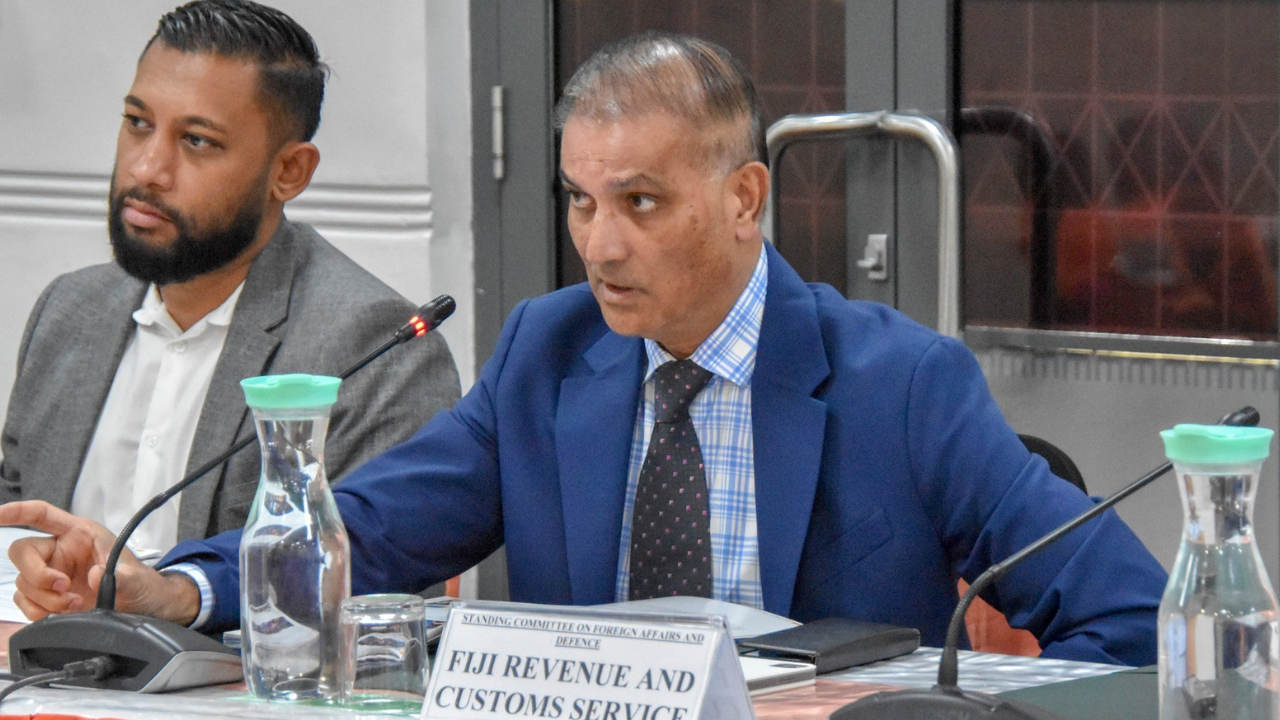
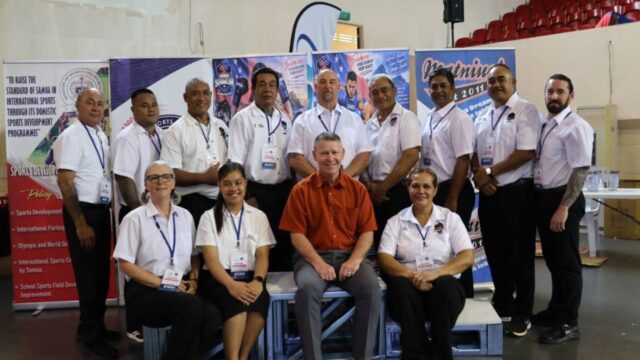
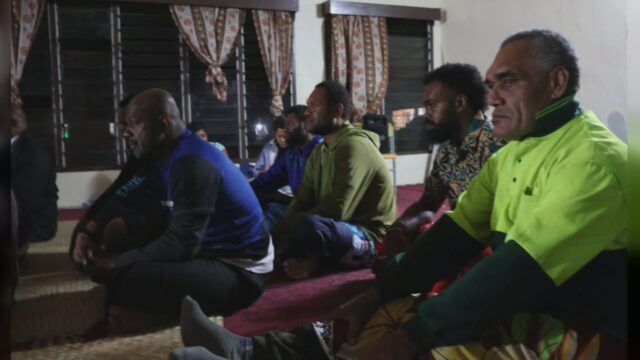
The Fiji Revenue and Customs Service convened a high-level consultation with key fuel suppliers and public transport operators last week to develop coordinated solutions aimed at easing the impact of rising fuel costs on the Fijian economy.
Chief Executive Udit Singh says this engagement highlights their commitment to working alongside industry to develop balanced, responsive solutions.
He says in times of global uncertainty, strong partnerships and coordinated action are critical to protecting both economic stability and the welfare of people.
FRCS will continue to facilitate ongoing dialogue with stakeholders as further phases of the response are refined and implemented.
He adds that additional measures may be considered as global conditions evolve, with a continued focus on equity, sustainability, and economic resilience.
Singh further adds that this engagement forms part of government’s proactive response to global market disruptions arising from the ongoing geopolitical conflict, which continues to exert upward pressure on fuel prices internationally.
He adds that FRCS is working collaboratively with industry stakeholders to identify practical, targeted interventions.
A central focus of the discussions was to safeguard the public transport sector as an immediate priority.
He says given its critical role in supporting daily mobility, employment access, and economic activity, stakeholders agreed that ensuring the sustainability of bus operators, without passing undue burden onto commuters, is essential.
The first phase of the proposed approach therefore centers on ensuring that public transport providers are not disproportionately affected by escalating fuel costs and this includes exploring mechanisms to stabilize operational costs and maintain fare affordability for the public.
He says these proposals have been deliberated in close consultation with the Ministry of Finance, ensuring alignment with broader fiscal policy and national economic priorities.