 Litia Cava

[Photo: File]
Maritime security agencies are operating with overlapping responsibilities, outdated legislation and inconsistent intelligence sharing.
This, according to the Defence Ministry has exposed serious gaps in the country’s ability to detect and respond to threats at sea.
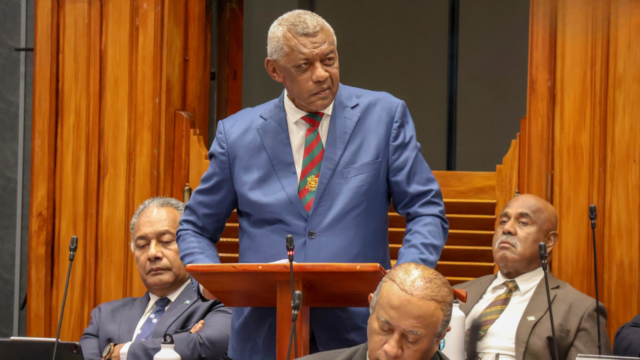
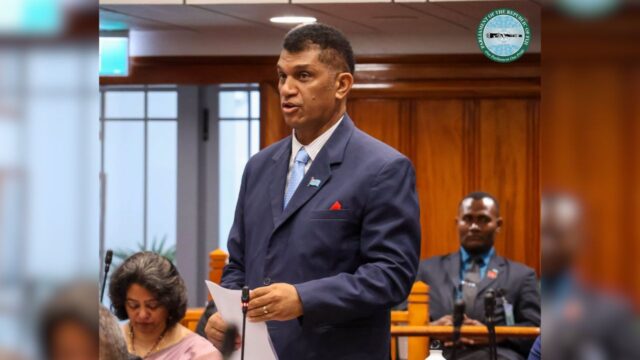
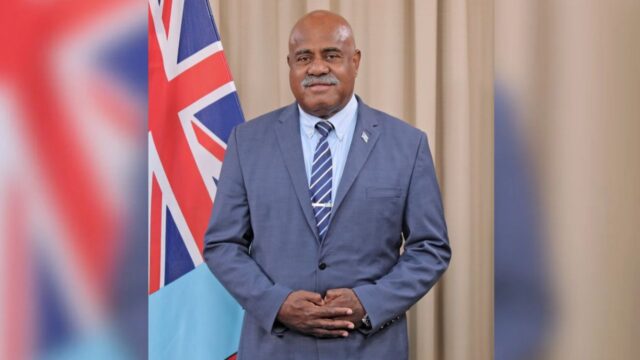
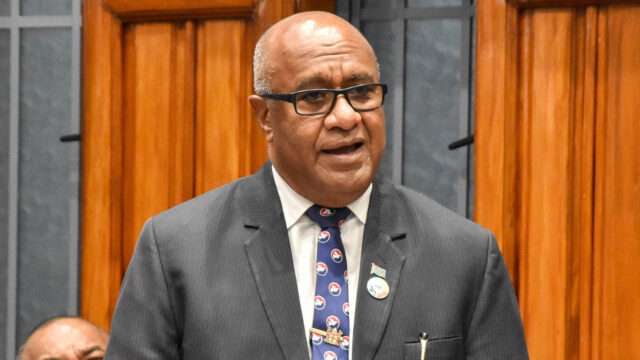
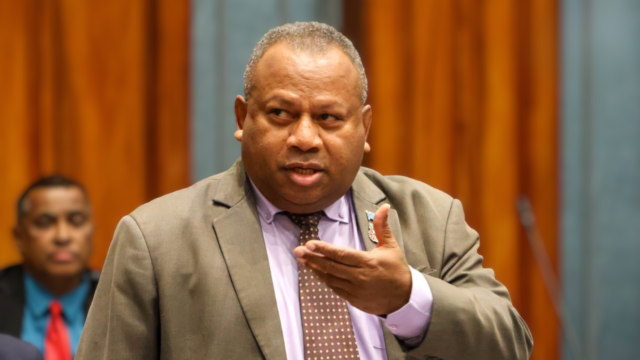
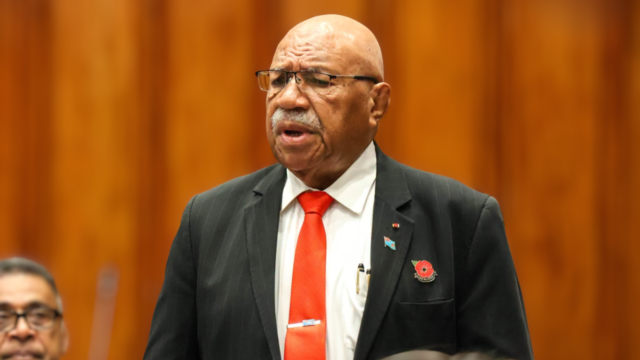
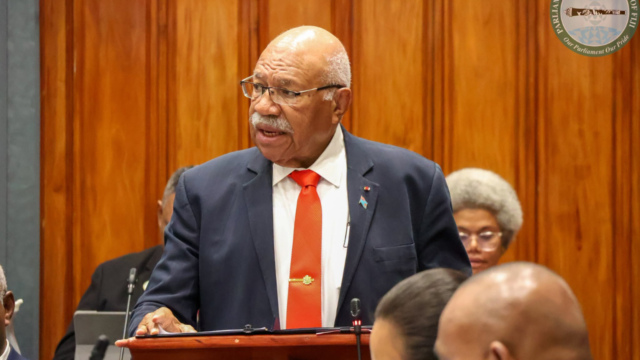
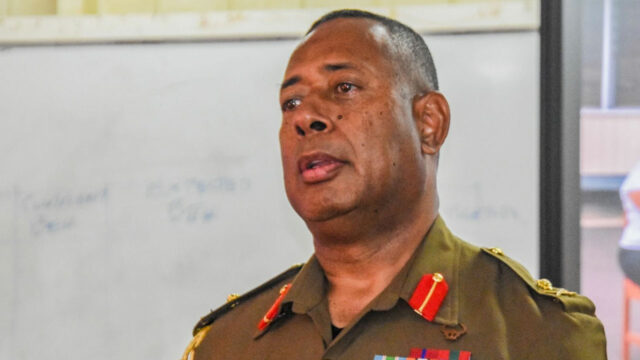
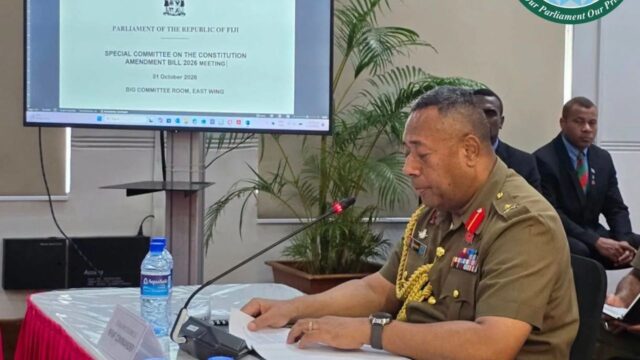
Defence Minister Pio Tikoduadua told Parliament that these weaknesses have affected the country’s maritime security arrangements, with different government agencies often required to respond to the same incident without clearly defined responsibilities or effective coordination.
He said an incident at sea could require the involvement of the Republic of Fiji Military Forces, Police, Customs, Fisheries and Immigration.
However, unclear responsibilities and poor information sharing can seriously undermine the national response.
Tikoduadua said the challenge was not simply maintaining a presence at sea, but ensuring that the country’s available resources, agencies and capabilities worked together.
The findings are outlined in Fiji’s first integrated Maritime Security Strategy, which identifies seven areas requiring government attention.
These include strengthening maritime governance and legal authority, improving intelligence sharing, coordinating enforcement operations, protecting maritime infrastructure and strengthening cybersecurity.
The strategy also identifies environmental security, climate resilience, ocean protection, sovereignty safeguards and regional cooperation as priorities.
One major focus is improving how maritime information is collected, shared and acted upon. The strategy seeks to establish integrated maritime domain awareness, allowing relevant agencies to work with better information when identifying threats and coordinating responses.
The government also plans to establish a Maritime Officials Committee comprising senior representatives from relevant ministries and agencies.
The committee will oversee implementation, monitor progress, address emerging security issues and hold agencies accountable for their responsibilities.
Tikoduadua said the strategy was intended to end the practice of agencies working in isolation and bring their respective responsibilities under one coordinated national framework.
The strategy was developed through nine months of consultations with support from the United Nations Development Program and the United Kingdom Government.