 Litia Cava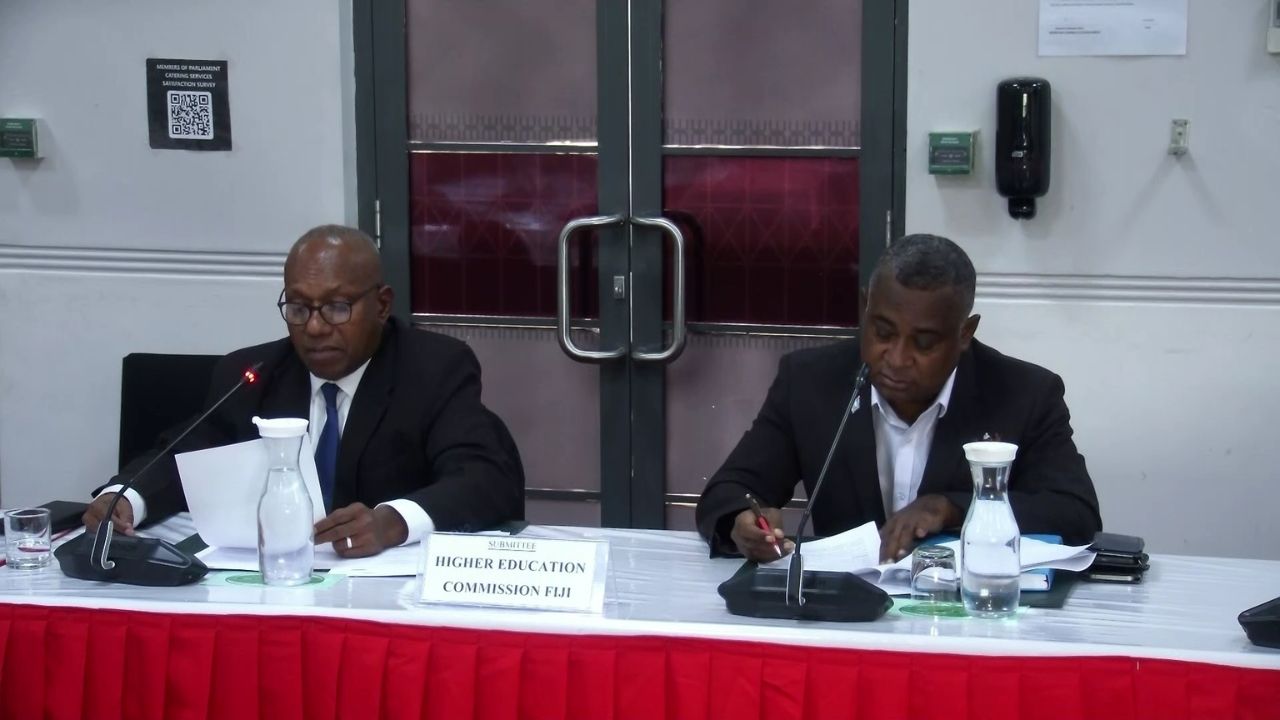
[Photo: Supplied]
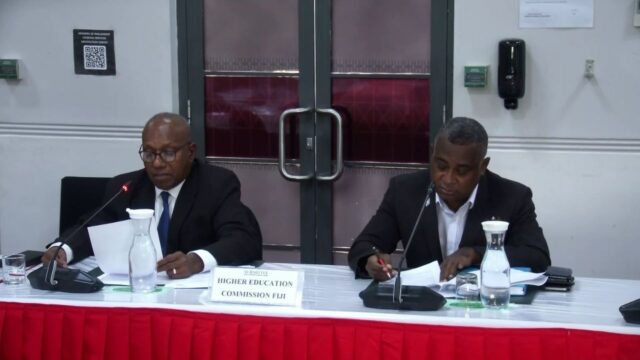
The Higher Education Commission says increased opportunities for Fijians to study and train in Australia must not simply result in more skilled people leaving the country.
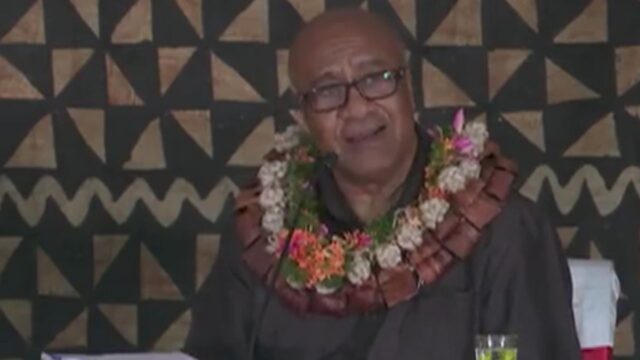
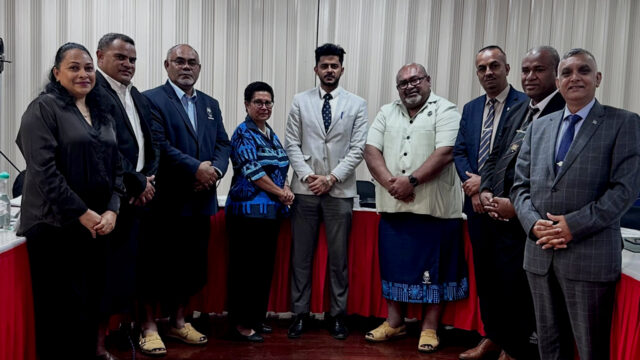
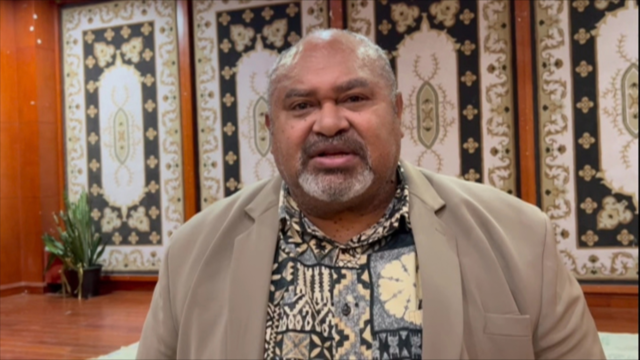
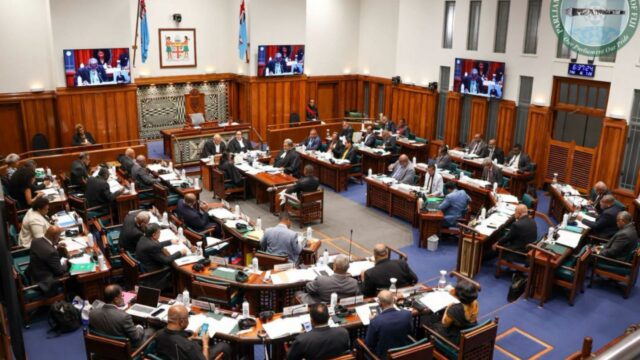
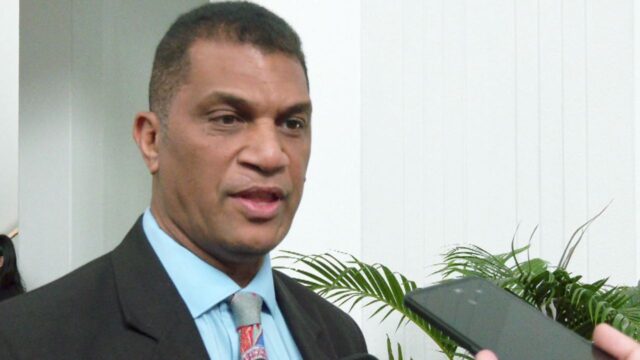
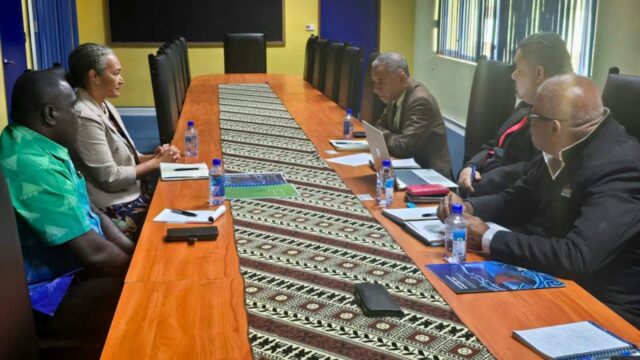
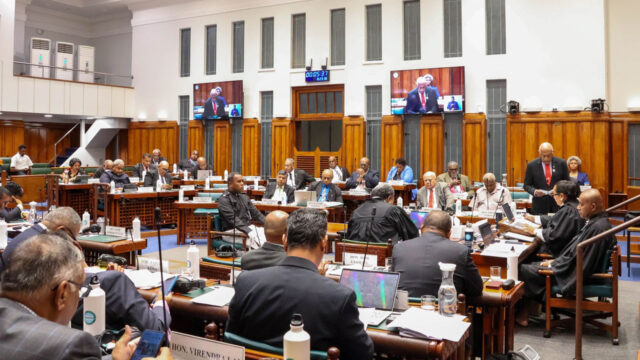
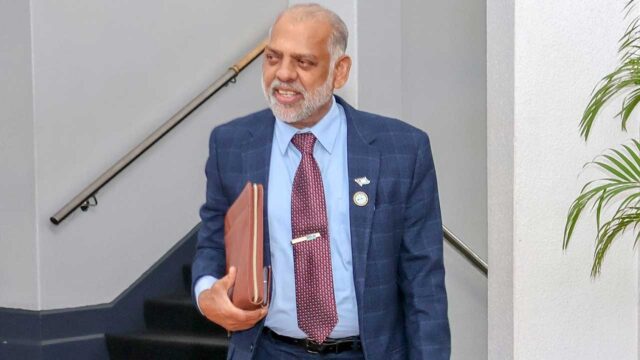
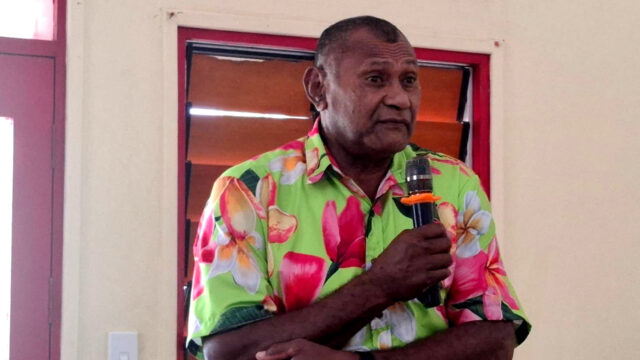
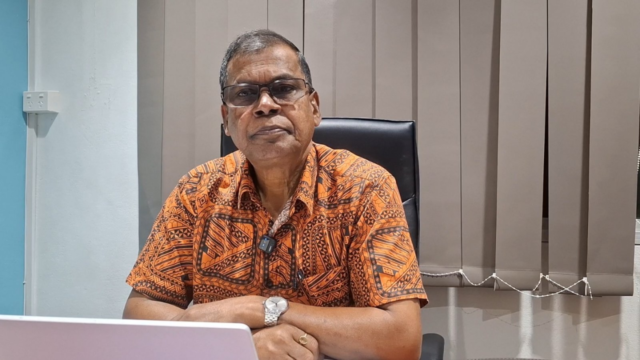
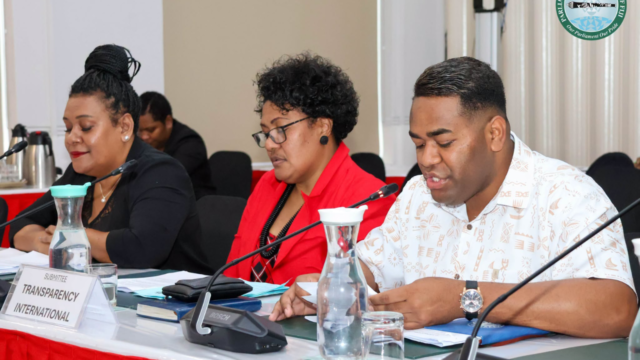
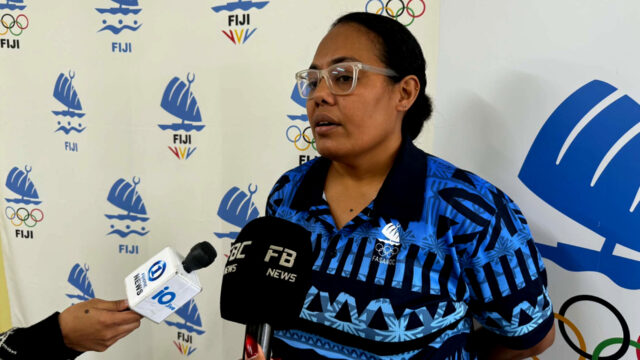
Speaking before Parliament’s Standing Committee on Foreign Affairs and Defence, Commission Director Dr Eci Naisele explained that greater student mobility under the Fiji-Australia relationship should be designed around Fiji’s long-term workforce needs.
The proposed arrangement from 2029 would allow selected cohorts of Fijian students to access Australian universities under domestic fee arrangements, creating opportunities for students to undertake specialised study and research.
Dr Naisele welcomed the opportunity but said overseas education should be treated as an investment in national capability rather than simply an opportunity for individuals to study abroad.
He states that Fiji needs to identify areas with critical skills shortages and align overseas study opportunities with those priorities.
The objective, he says, should be for students to return and strengthen Fiji’s universities, industries, public institutions and communities.
Dr Naisele acknowledged that greater mobility also risks losing skilled workers.
But he said restricting opportunities would not be the answer.
Instead, Fiji should develop systems that allow knowledge and expertise gained overseas to circulate back into the country.
That could include graduates returning to teach, conduct research, mentor others, establish businesses, transfer technology or participate in joint projects.
Eci says the success of the education partnership should therefore not be measured only by the number of Fijians who go to Australia.
The more important question, he says, is what knowledge, capability and opportunities come back to Fiji.
The Commission also sees potential for the partnership to strengthen Fiji’s own higher education system through cooperation between institutions and regulators.
Dr Naisele saif Fiji could eventually position itself as a Pacific hub for specialised skills, qualifications and higher education.
That would allow Fiji not only to address its domestic workforce shortages but potentially provide specialised training to students from other Pacific countries.
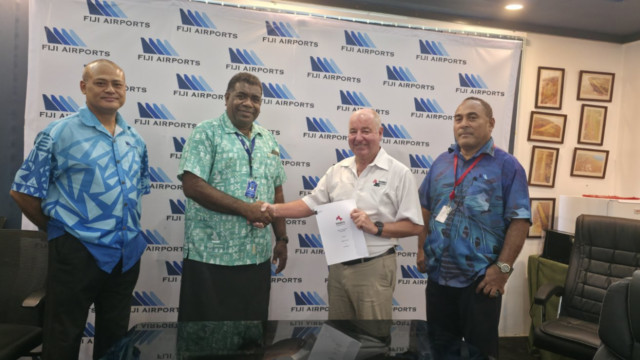
The Commission’s position comes as the Vuvale Union seeks to deepen cooperation between Fiji and Australia across education, skills, economic development, mobility and people-to-people links. The agreement was signed by the two governments in July 2026.
Dr Naisele also stressed that expanded access must not come at the expense of quality.
He adds that more training does not automatically mean better training, and more qualifications do not automatically mean better qualifications.
The Commission wants qualifications to remain credible, relevant and internationally recognised, with clear pathways allowing students to move between institutions and countries.
The team made submissions on the Fiji-Australia Vuvale Union and Ocean of Peace Alliance, or the Veitacini Treaty.