 Peceli Naviticoko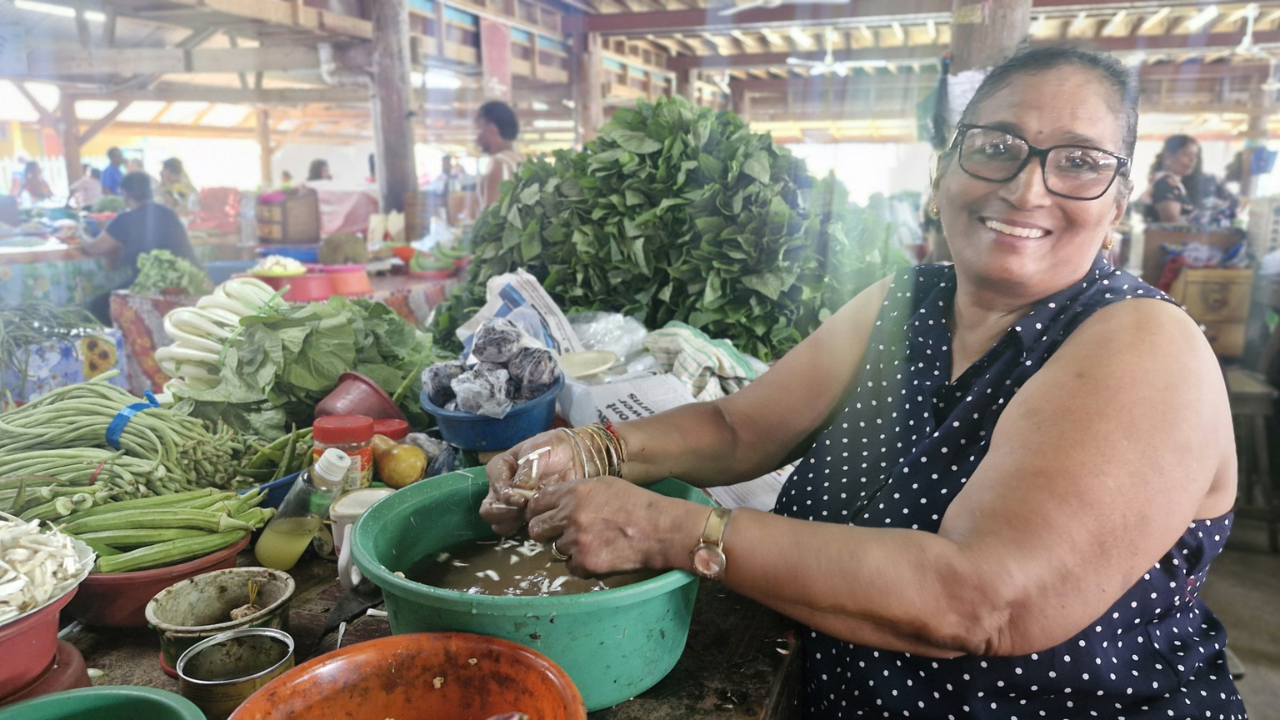
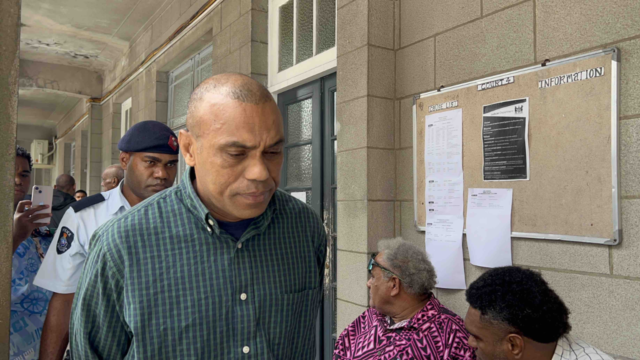
[Photo: PECELI NAVITICOKO]
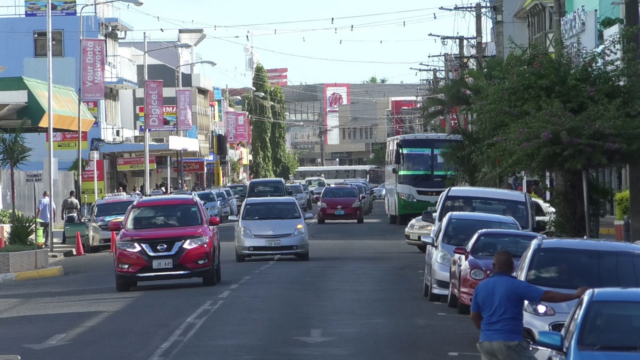
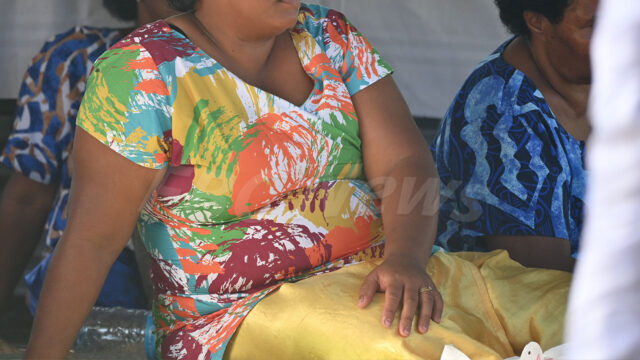
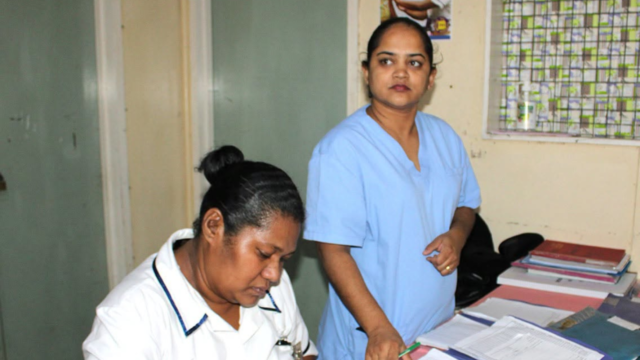
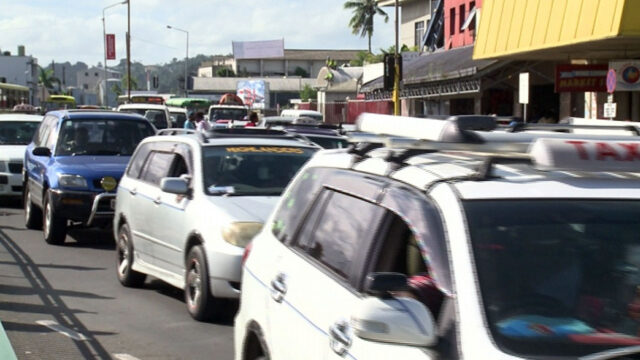
Rising living costs and fuel prices are placing growing pressure on market vendors in Labasa ahead of the 2026–27 National Budget.
Vendors say higher transport costs, rising wholesale prices and shrinking profit margins are making it increasingly difficult to sustain their daily earnings.
As expectations build, many are calling for practical measures in the national budget to ease financial pressure on low-income earners and small businesses.
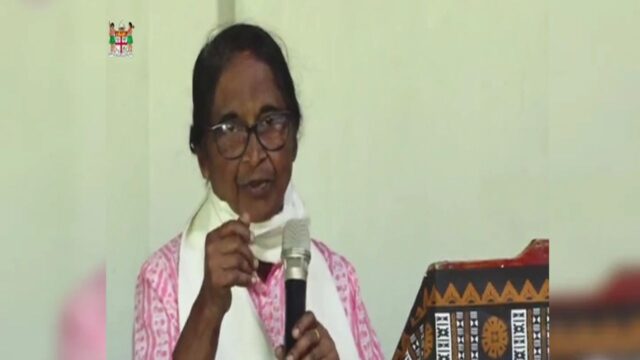
Labasa market vendor Saras Wati says reducing stall fees would provide immediate relief for vendors already struggling with rising costs.
“In our stall fees, as poor people, we don’t earn that much, we are not civil servants, we don’t earn much, and the price of everything is going up; it’s really a hard life for us. Because I know he can’t support the prices on the shelf in the supermarket, so at least he can help us with our stall fees. It’s too high; in Labasa, it’s too high.”
Another vendor, Amara Wati, says many sellers are now spending more than they earn as the cost of vegetables, transport and other essentials continues to rise.
She says profit margins have dropped to around 10 to 20 percent, while the cost of produce has more than doubled in some cases, making it harder to support families and sustain businesses.
Vendor Bijay Nand believes the government should also consider reducing VAT and strengthening price control measures on essential goods.
He says households are now paying significantly more for groceries than in previous years, with basic food baskets costing almost twice as much while containing fewer items.
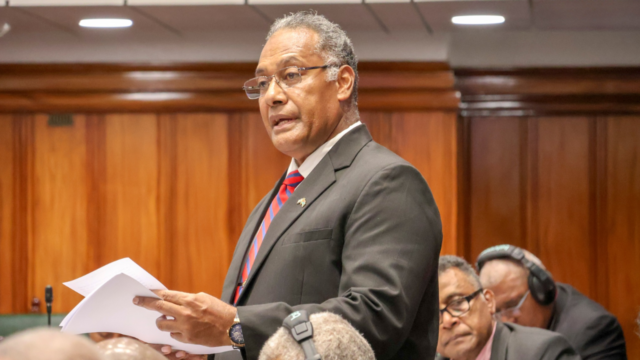
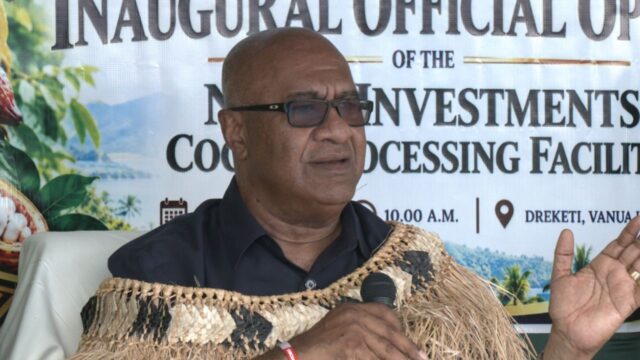
While expectations remain high for cost-of-living relief, Prime Minister Sitiveni Rabuka has indicated the 2026–27 National Budget will be realistic and disciplined amid ongoing global fuel pressures.
Many vendors hope the budget will balance fiscal responsibility with practical support for low-income earners and small businesses nationwide.