 Litia Cava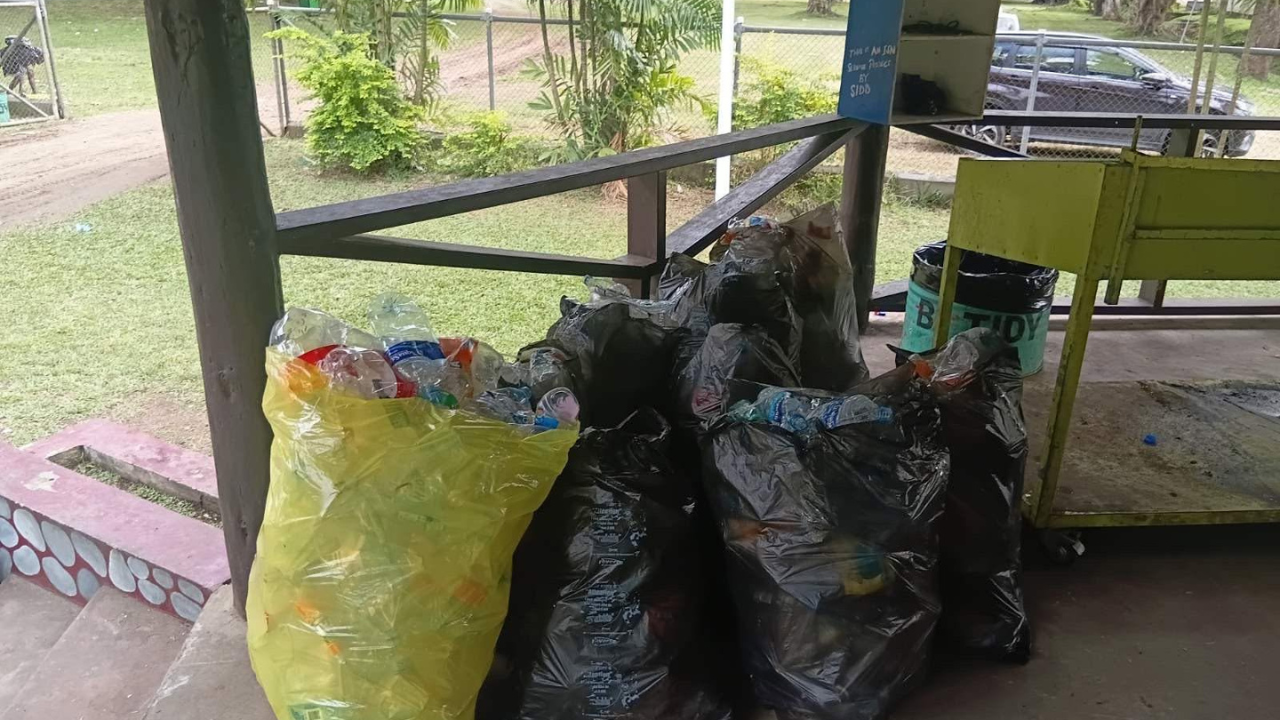
[Photo: RETURN AND EARN/ FACEBOOK]
As Fiji prepares for COP31, Return and Earn Fiji is showcasing its beverage container recycling program as proof that community action can drive climate solutions.
The initiative, which focuses on collecting plastic bottles and aluminium cans for recycling, has recorded significant growth since its rollout, with 7.5 million beverage containers collected in the first six months of this year.
Return & Earn Fiji Representative and Coca-Cola Europacific Partners Head of Public Affairs Dwain Qalovaki says the figures show that Fijians are responding to a new way of managing waste, while demonstrating how partnerships between government, businesses and communities can deliver measurable environmental outcomes.
He says the program provides a practical example of how Fiji can address waste challenges while contributing to broader climate action goals.
“The opportunity is for us to demonstrate that public-private partnerships work, and they work because each of us as Fijians are looking for solutions that can work long term.”
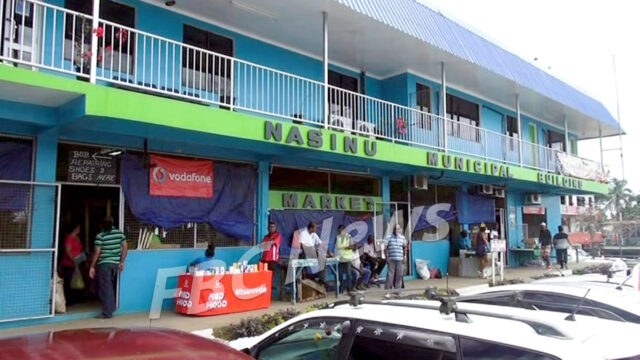
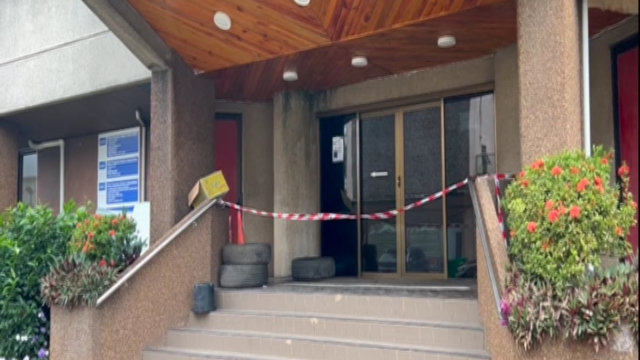
The program is currently being implemented through municipal councils, with 12 Return and Earn centres operating across eight municipalities on Viti Levu.
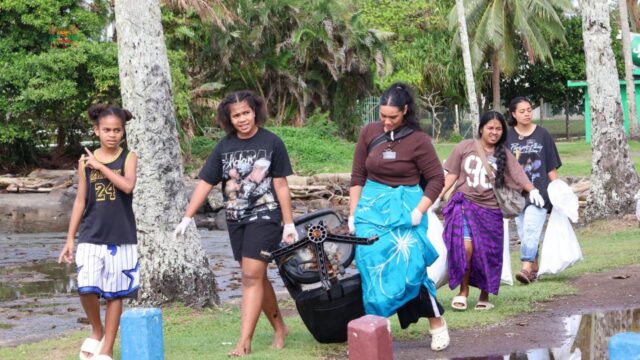
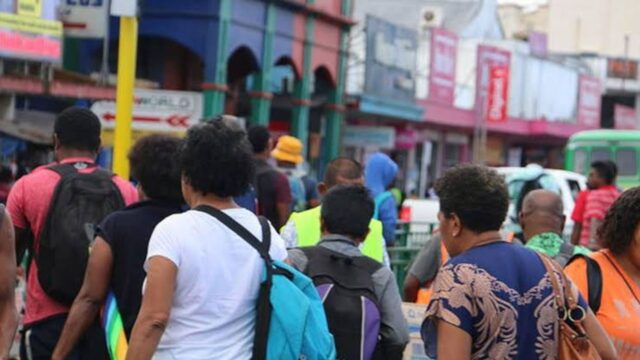
Qalovaki explained that the growth in collections reflects increasing community participation, with schools, youth groups, faith-based organisations and individuals becoming involved in recycling efforts.
Beyond reducing waste, he said the program was also creating new opportunities at the community level, with some people collecting bottles and cans as an income-generating activity.
The environmental impact has been evident in the diversion of millions of containers from landfills.
Qalovaki states the program is helping change how people view discarded bottles and cans by turning waste into something with economic value.
However, he adds that one of the biggest challenges remains changing behaviour after decades of treating plastic bottles and aluminium cans as ordinary rubbish.
Unlike glass bottles, which have historically been returned in Fiji, plastic containers and cans have not been part of a refund system until now.
Qalovaki said building this new habit would require continued awareness, easier access to collection points and stronger community participation.
As Fiji prepares for COP31, he says Return and Earn Fiji can showcase how local solutions can support global climate discussions.
He adds that the program demonstrates how waste management, climate action and economic opportunities can be linked through a coordinated approach.
For Fiji’s COP31 agenda, Qalovaki points out that Return and Earn Fiji represents a local example of how communities can contribute to climate solutions one bottle and one can at a time.