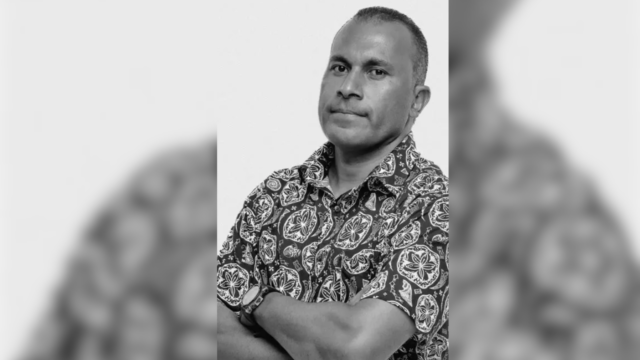
 Peceli Naviticoko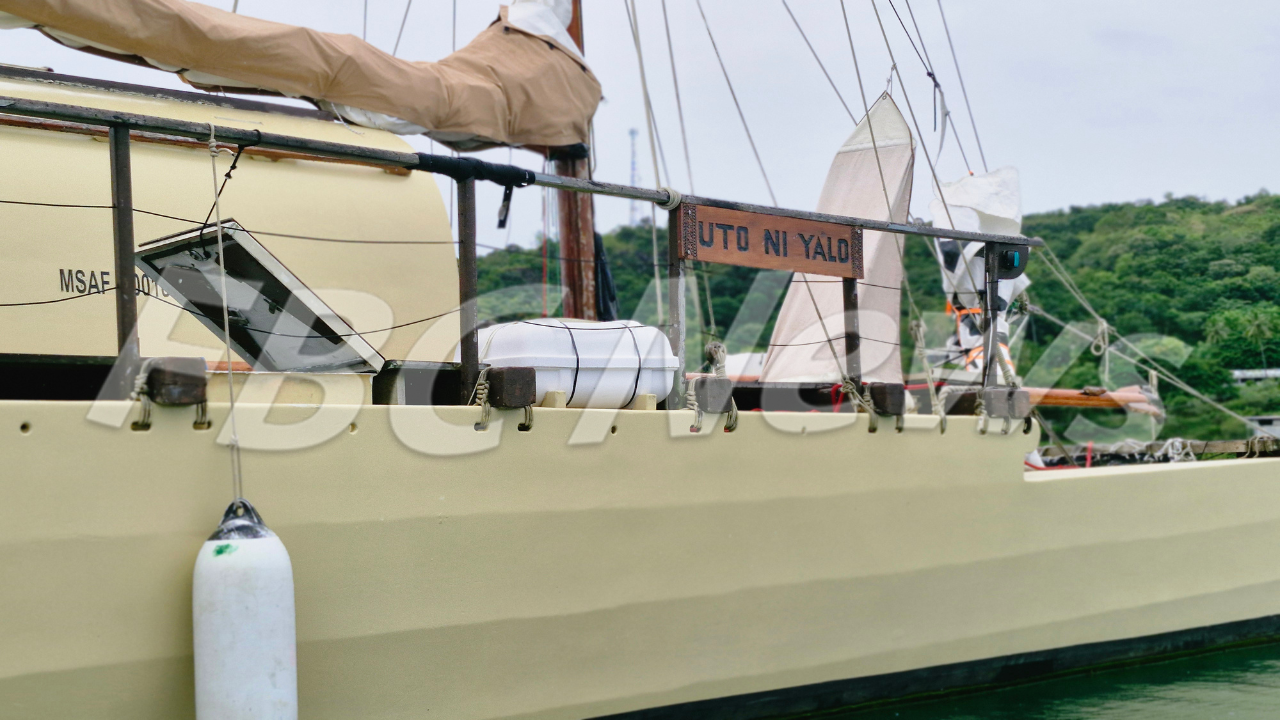
[Photo: PECELI NAVITICOKO]
Traditional voyaging and navigation skills are being highlighted as a practical solution for Pacific island countries, as rising fuel challenges continue to impact communities across the region.
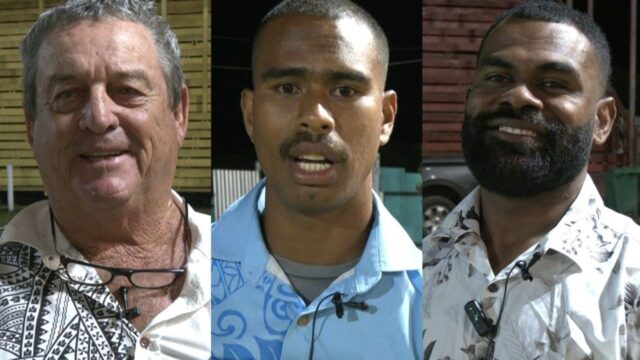
Navigator Kaiafa Ledua, who is part of Fiji’s traditional canoe Uto ni Yalo, says returning to indigenous knowledge, particularly sailing, could help reduce reliance on fuel while protecting the ocean.
His comments come as the Anglican Church-led Soko ni Nuinui prepares to begin its Vanua Levu programme in the coming days, following the vessel’s safe arrival in Malau, Labasa.
The initiative focuses on climate awareness, traditional knowledge, and community engagement, with a key message centred on using wind-powered traditional technology instead of fuel.
“Even we on this canoe, we know the only solution to our fuel crisis is getting back to old technology, to the past. Which is sailing, using sails. On a canoe, the sail is our engine, and the wind is our fuel. As long as the wind is there, that’s enough fuel for us. Stop polluting the ocean. Our breath that you take out of every three, two of those breaths come from the ocean.”
Voyage member from New Zealand, Eli Tapine, who is part of the journey across Fiji on board the Uto ni Yalo, says the message is one of shared responsibility and hope, encouraging communities to care for the environment and recognise that climate challenges are shared across the Pacific and beyond.
He adds that being on the vessel is like a “floating classroom,” allowing the team to travel from place to place, engage directly with communities and parishes, and demonstrate traditional sailing while promoting climate action and the revival of indigenous knowledge.
The Uto ni Yalo is expected to spend several days in Macuata, where the public will be part of a series of activities, before continuing its journey to Savusavu and Taveuni next week.