 Riya Bhagwan
[Photo: FILE]
The health system is set to become far more costly. Spending is projected to rise from about four percent of GDP to as much as seven percent by 2050 if current trends continue.
The World Bank warns the increase will be driven by Non-Communicable Diseases. These illnesses are already placing heavy pressure on the economy and the health system.
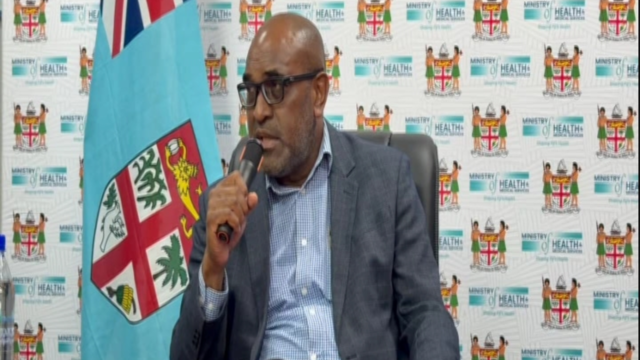
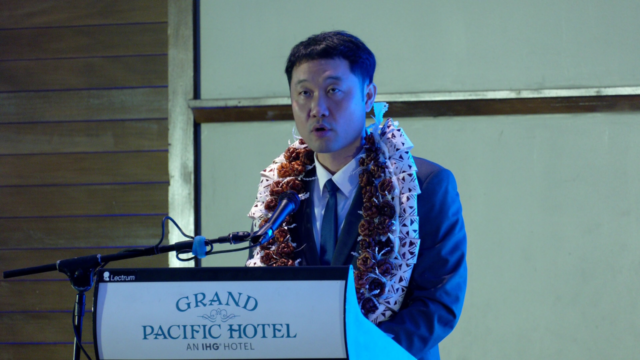
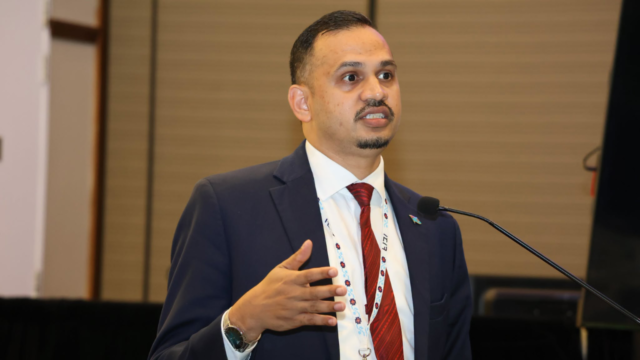
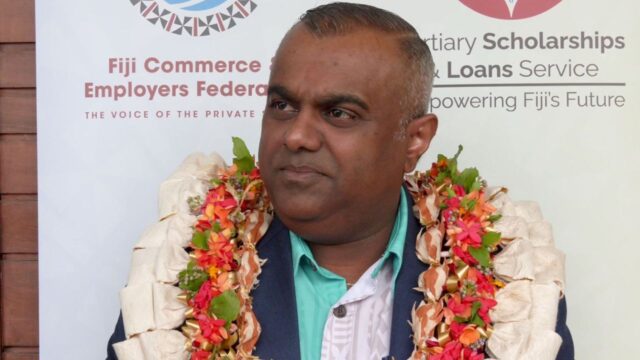
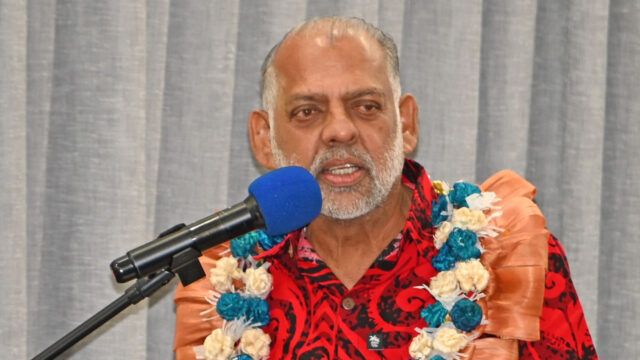
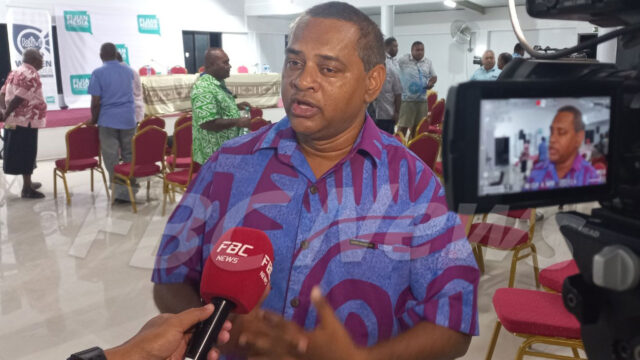
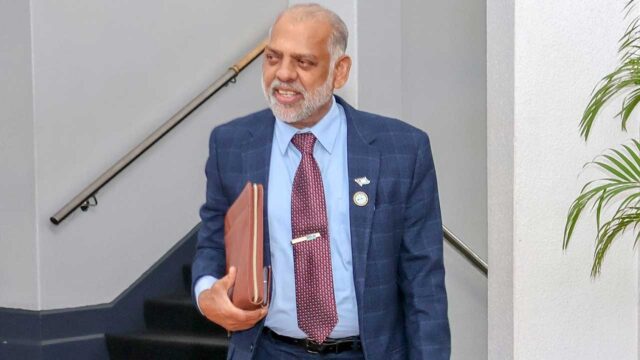
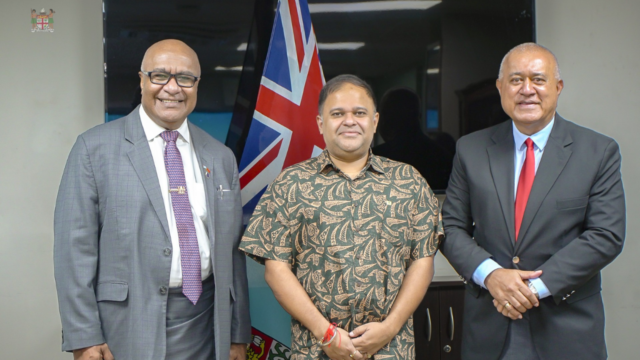
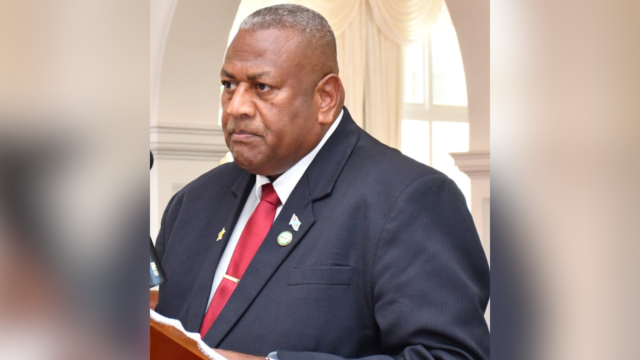
World Bank Health Specialist Dr Mesulame Namedre said the system was too focused on hospital care. He said diseases are often detected late, when complications have already set in.
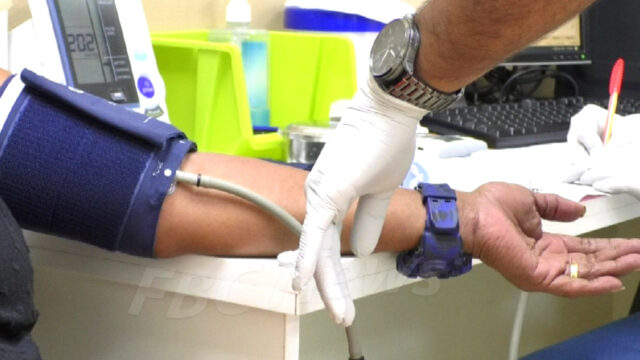
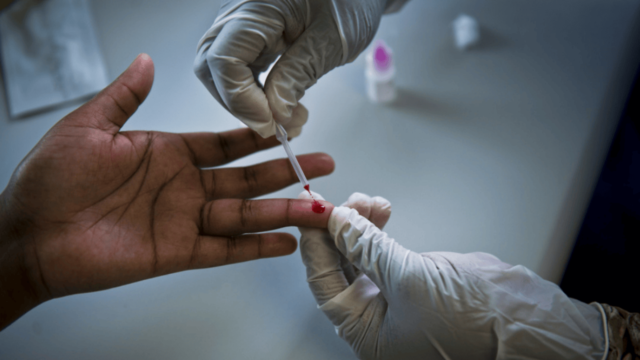
Namedre states there is a need to shift towards prevention. He said more focus was needed on screening, early diagnosis, and early treatment.
He said the current model is costly and hard to sustain. He said earlier action would reduce pressure on hospitals and improve health outcomes.
“It is affecting the health services, the health system, but as I mentioned previously, it also has an economic impact because of the working-age population that these diseases affect.”
With GDP estimated at $13 to $14 billion, Fiji now spends between $500 and $600 million each year on public health. Rising chronic disease cases are expected to push this figure higher.
Across the Pacific, including Fiji, NCDs remain the main health challenge. Only about 39 out of 100 people are diagnosed, and just nine receive treatment. Even fewer have their condition under control.
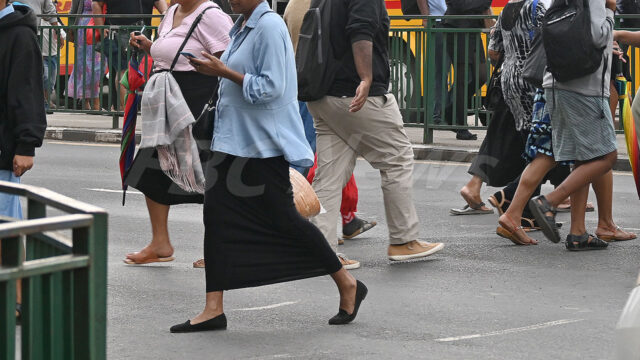
The burden is highest among the working-age population. This group is the most productive, making the economic impact more severe.
In Fiji, more than 80 per cent of deaths are linked to these diseases. Many occur before the age of 70. Cardiovascular disease leads, followed by diabetes, kidney disease and cancers.