 Litia Cava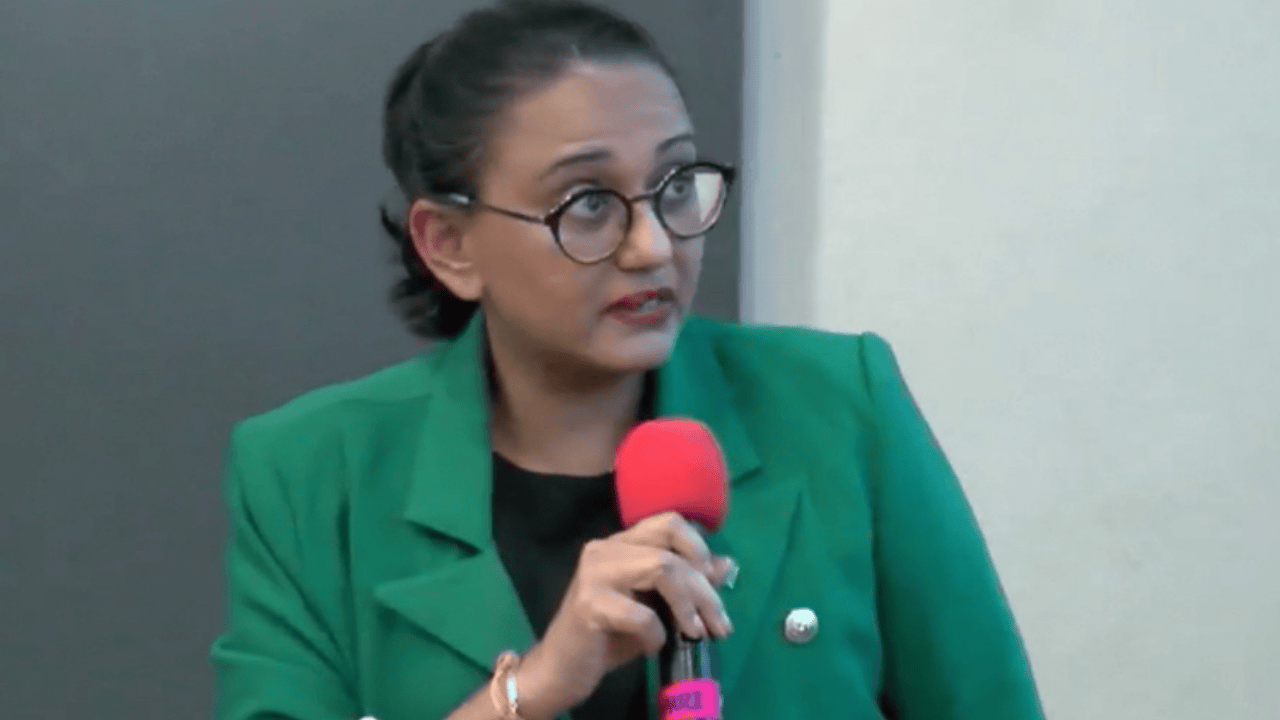
A major gap in local governance system is the lack of mandatory reporting by councils to residents on performance, spending and service delivery.
This is now a key issue the proposed Local Government Act seeks to address.
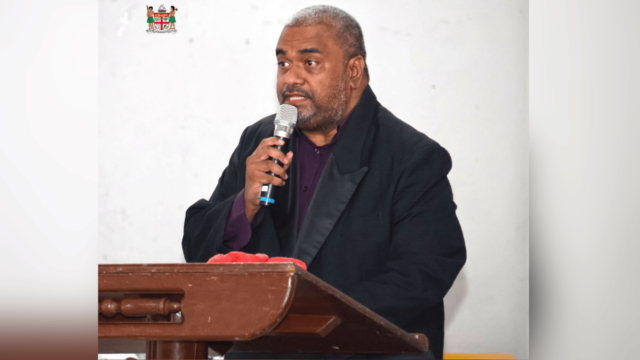
Local Government Permanent Secretary Seema Sharma said councils currently report to Parliament but not directly to the public.
She said ratepayers are often left without clear information on how money is spent or what councils have achieved.
“Currently, there is no report back to the residents of the town as to how the councils are performing, what have they done, where have they spent the money and things like that. Now there’ll be a special consultative procedure that would be in place which looks at a number of areas.”
Sharma said the new Act would strengthen accountability. She said councils would be required to report both to Parliament and to their communities.
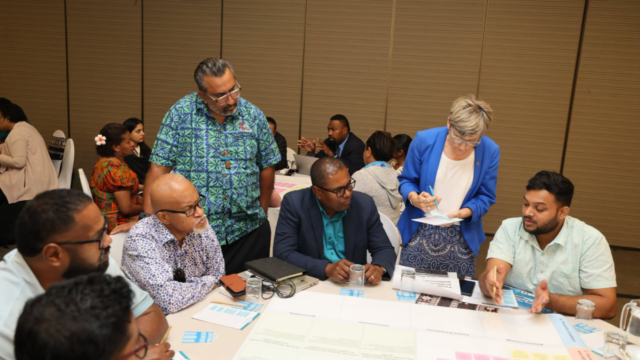
The PS also said that a new special consultative process will also be introduced. This will guide how councils engage with residents. It will include town hall meetings and structured input into planning.
Sharma said community views would be formally considered in both annual and long-term planning. This includes three to five-year strategic plans.
However, final decisions will remain with councils.
She said the reforms also clearly define the purpose of local government for the first time. Councils will be responsible for enabling democratic decision-making. They will also promote social, economic, environmental and cultural wellbeing.
Sharma said the Act separates the roles of elected members, chief executives and council staff. She said this is intended to improve governance and accountability.
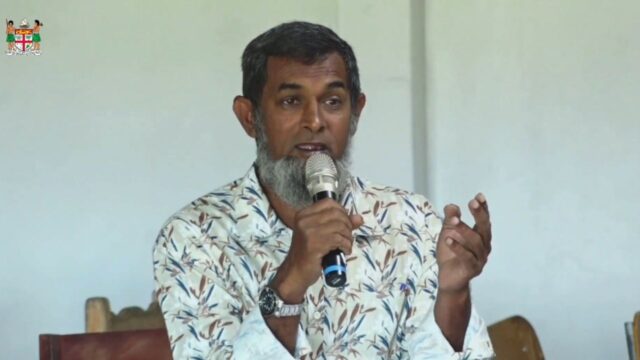
Invercargill City Council representative Michael Morris said the 1972 law is outdated. He said it does not reflect modern local government needs.
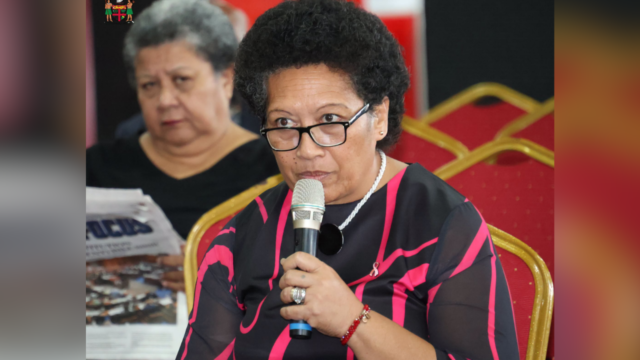
Morris, a consultant from New Zealand said the new Act sets clearer roles for the ministry and minister. He said this includes oversight, support and advocacy for councils.
He said elected members will also face stronger governance rules. This includes a register of interests to manage conflicts and improve transparency.
Morris said councils must improve engagement with communities. He said consultations will be more structured, especially for key decisions like bylaws.
He said council plans would be independently reviewed by the Audit Office before approval.
This is to ensure financial information is accurate and reliable.
Morris also said a pre-election report would be introduced. It will be prepared by chief executives. It will outline financial status, challenges and key projects before elections.
He said this would help voters and candidates understand the real position of councils.
Both officials said the reforms aim to improve transparency, accountability and public trust in local government.