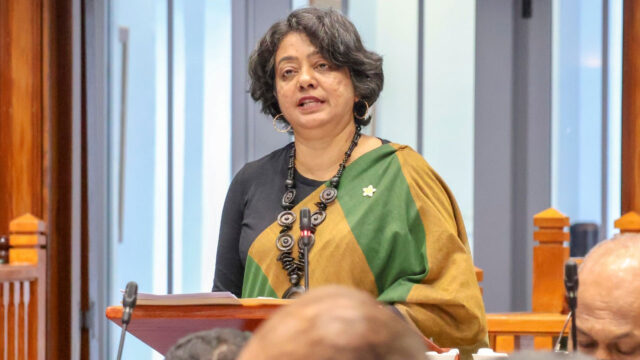
 Peceli Naviticoko
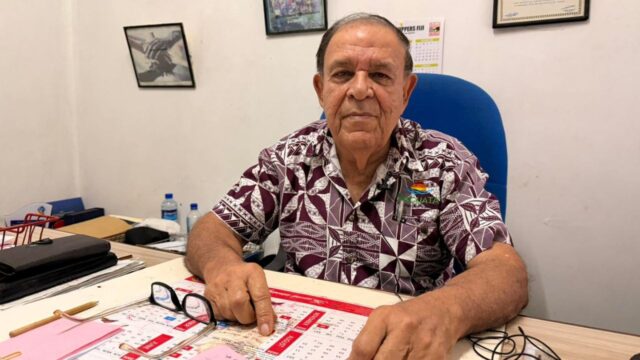
[Photo: Peceli Naviticoko]
The proposed Yaqona Bill 2026 is facing scrutiny from farmers in the North, with questions over its benefits to growers and the cost of establishing its proposed council and governing structures.
At a public consultation in Labasa today, farmers questioned the need for the legislation, while the Agriculture Ministry defended it as a measure to protect Fiji’s yaqona industry.
Yaqona farmer Mesake Mateniluca of Sevaci, Cakaudrove, opposes the bill, arguing that ordinary farmers are already earning from the crop and questioning the need for additional regulation and a government-funded chief executive officer.
He also questioned why yaqona was being singled out for legislation when farmers were already planting, selling, and earning from the commodity.
“First of all, I don’t support this bill because, right now, everything is quite fine for us farmers. We are planting, selling and earning, but this law is quite questionable. Why does yaqona have to be the only commodity that the Government is trying to regulate through a bill? Who is going to pay the CEO proposed under this bill?”
Agriculture Ministry representative Salote Madanavosa explained that yaqona is one of Fiji’s major income-earning commodities, with the proposed law intended to protect those involved in its production and trade.
She added that the Government could consider similar legislation for other agricultural commodities, including cocoa and coconut, while funding for the proposed arrangements and salaries would come from the Ministry’s budget allocation.
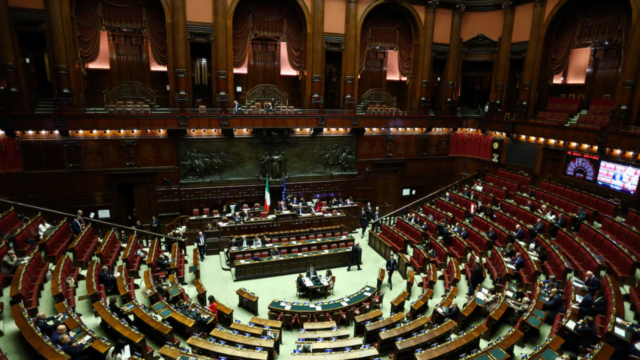
Standing Committee on Justice, Law and Human Rights Chair Rakuita Vakalalabure is urging farmers to participate in the consultations, as the proposed legislation would regulate yaqona farmers, operators, exporters and importers.
The committee will hold its next consultation at Nawailevu in Bua tomorrow, giving farmers another opportunity to raise concerns and make submissions before the bill progresses further through Parliament.