 Litia Cava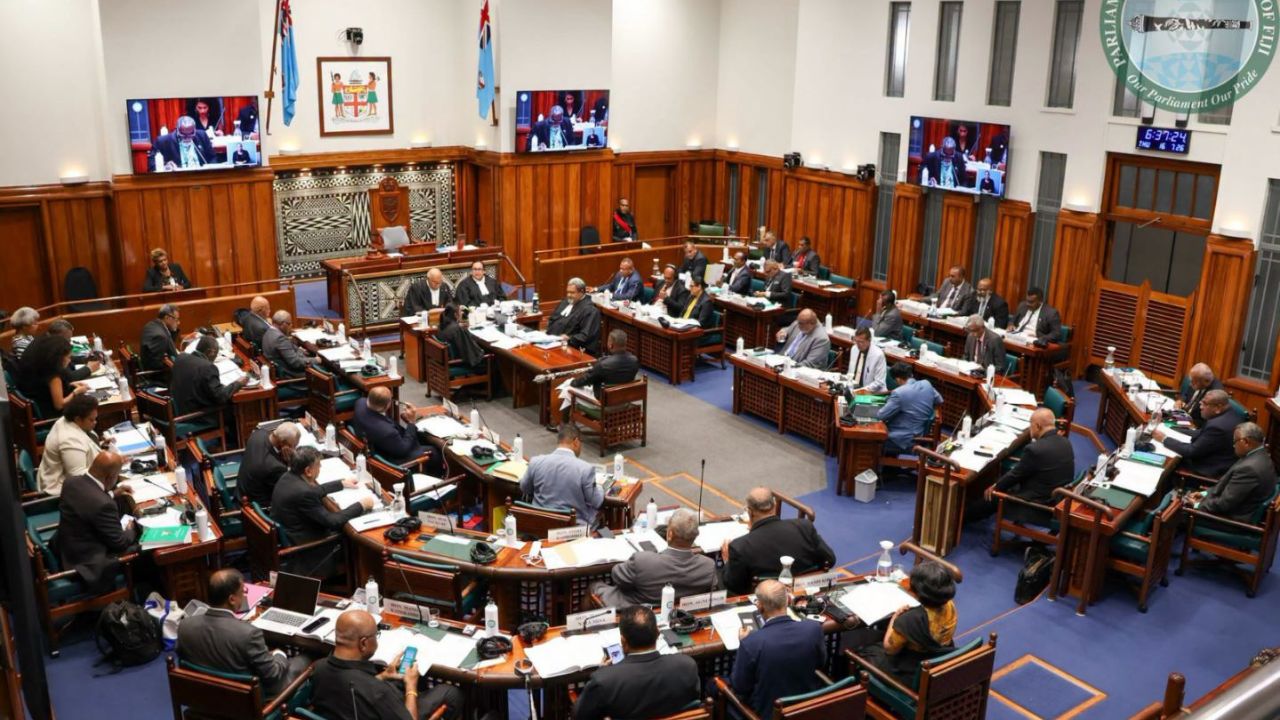
[Photo: FILE]
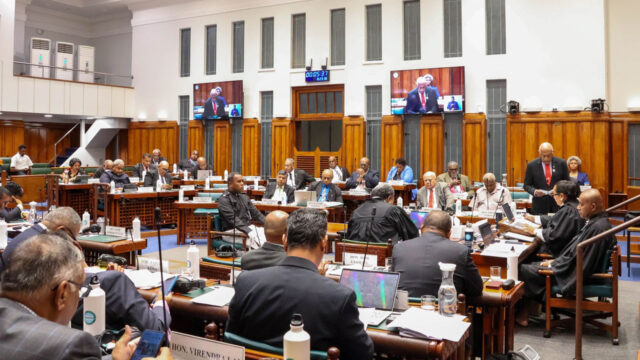
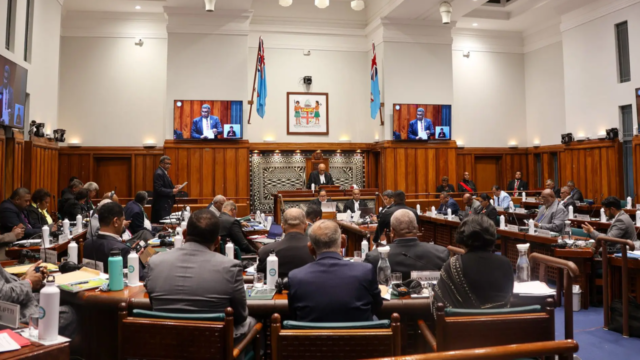
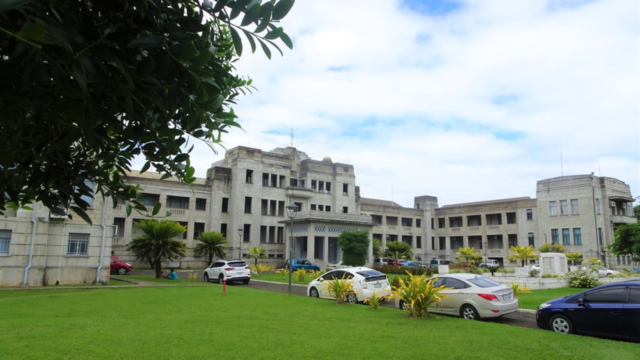
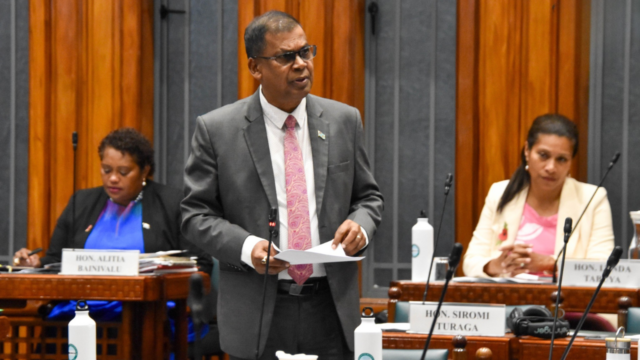
Parliament has cleared the first hurdle for the Constitution Amendment Bill 2026, but not without a heated clash over whether the process itself is constitutional.
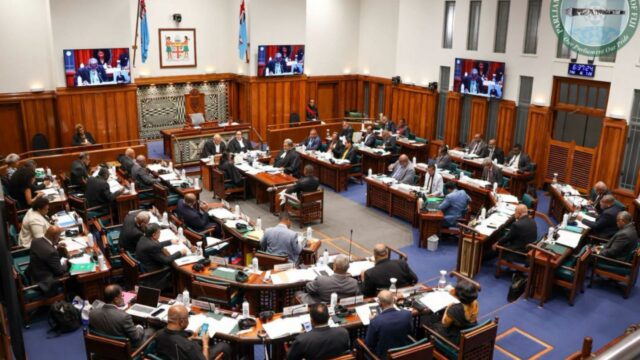
Thirty-six MPs voted to suspend Standing Orders 6 (5) and 92, while 13 voted against. Three did not vote, and one abstained.
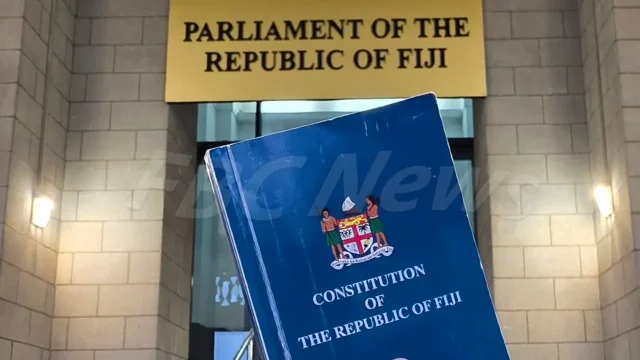
The vote allows Prime Minister Sitiveni Rabuka to introduce a Bill that seeks to repeal most provisions of the 2013 Constitution, except Chapter 10 on immunity and replace them with new provisions.
Leader of Government in Parliament Ro Filipe Tuisawau says the suspension is necessary because Standing Order 92 prevents Parliament from considering a Bill that affects the constitutional amendment process.
But that argument was challenged from the Opposition benches.
Opposition MP Jone Usamate warned that Parliament cannot suspend its Standing Orders to get around requirements imposed by the Constitution.
Usamate pointed to Standing Order 6 (5), which states that suspending a Standing Order does not permit Parliament to conduct business in breach of the Constitution or any other law.
He argued that removing Standing Order 92 does not remove the constitutional restrictions it recognises.
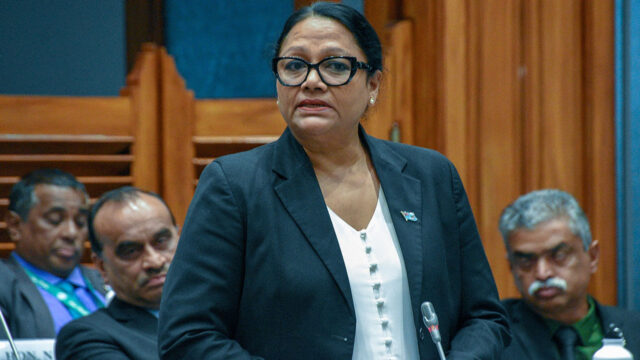
Opposition MP Premila Kumar also opposed the motion, questioning why safeguards protecting the Constitution should be removed simply because they have become an obstacle to the Government’s proposed reforms.
The government defended the move as a procedural step, not a vote on the substance of the constitutional changes.
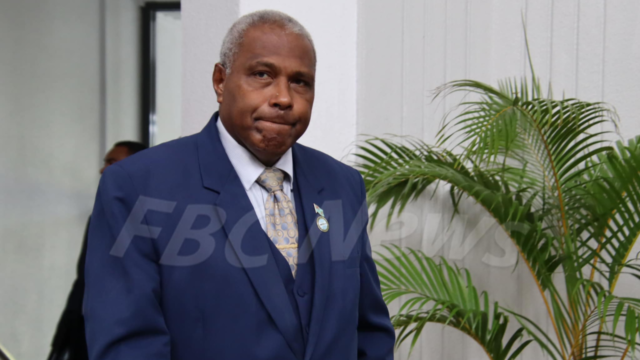
Lands Minister Filimoni Vosarogo says MPs must first be allowed to see, debate and scrutinise the Bill before deciding whether to support it.
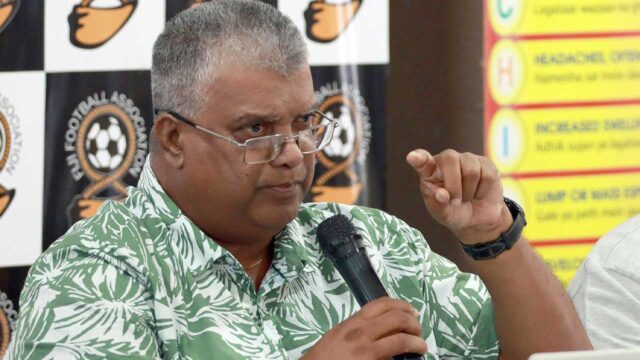
Government MP and National Federation Party Leader Professor Biman Prasad made the same distinction, stressing that MPs were not voting on the Bill itself.
Deputy Prime Minister Manoa Kamikamica says Parliament owes it to Fijians who participated in the Constitution Review Commission process to allow their submissions and recommendations to be considered.
Ro Filipe states the Bill follows the Supreme Court’s August 2025 determination and the Commission’s national consultations.
The next major test comes on Friday, when MPs are expected to debate the Second Reading and vote on whether the Bill should proceed to committee scrutiny and public submissions.
If it clears the required parliamentary threshold, the process will continue with further debate and votes before any proposed constitutional changes can proceed to a referendum.